
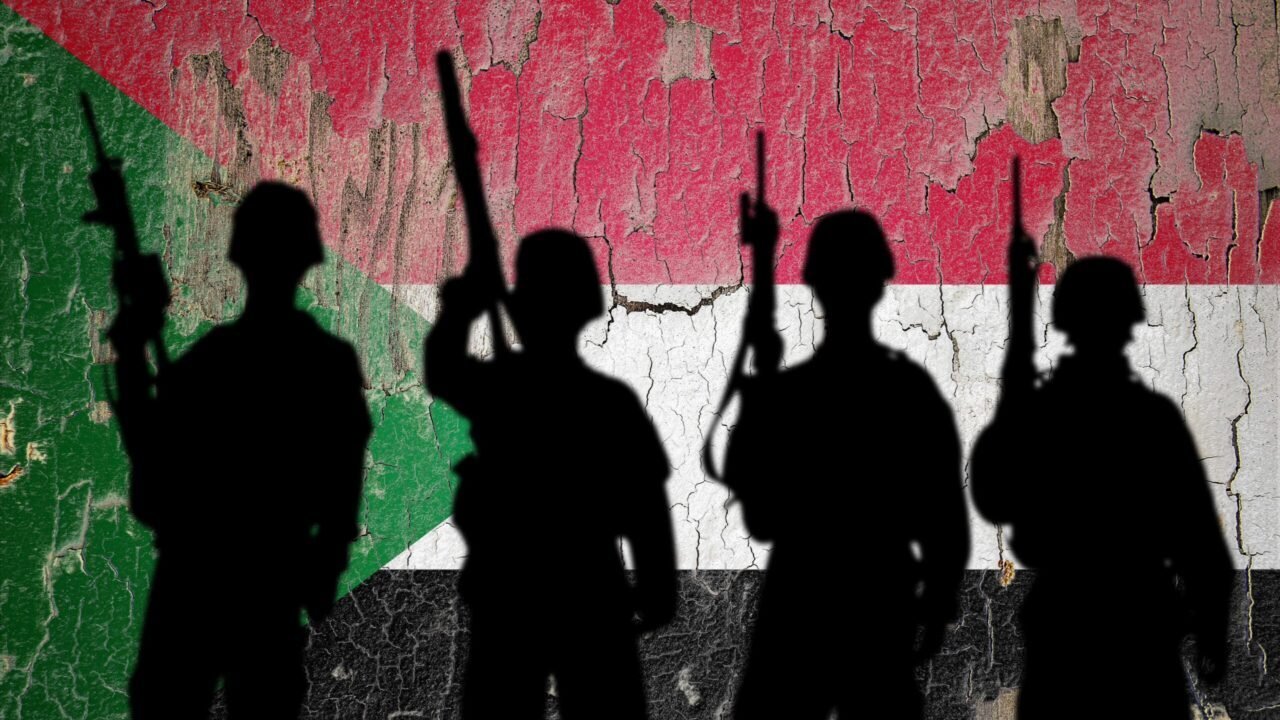
Following chemical weapons findings, Washington penalizes Sudan’s government under federal law. Despite new trade and flight restrictions, enforcement struggles to alter regional backing or battlefield dynamics as fighting between armed factions continues in Khartoum.
Washington’s new sanctions against Khartoum mark a sharp escalation in foreign pressure, yet they offer no immediate relief to the ongoing Sudan Civil War. As combatants draw support from key regional powers, strategic realities on the ground continue to shape the Sudan Civil War far more than economic penalties issued from afar.
Sudan Civil War External Pressures
This month, the United States imposed a new package of sanctions on Sudan’s government following a 2025 US determination that the Sudanese Armed Forces (SAF), led by Abdel Fattah al-Burhan, used chemical weapons against the Rapid Support Forces (RSF). The sanctions themselves will have little practical effect on the SAF: Sudan has almost no US exports to lose, no active loans from international financial institutions, and no direct flights to the United States. But in Sudan, the word of the US government still holds value, and the Sudanese people are already building momentum to hold Burhan and his forces accountable for their war crimes.
American pressure on the SAF at this point in the war will further complicate US policy to end the war.
How Sudan Civil War Shifts
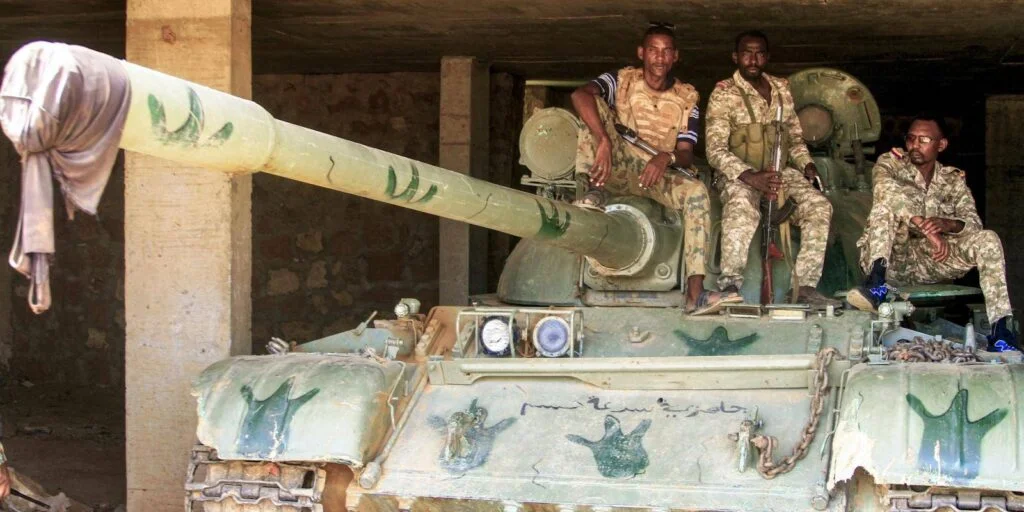
The SAF and Burhan, after all, still enjoy the support of key US partners such as Saudi Arabia, Qatar, and Egypt. And the new sanctions build on measures announced earlier this year that targeted leaders of the Muslim Brotherhood, a key faction within Burhan’s Sudanese coalition. Taken together, American pressure is increasing on the political and military base running the war in Sudan—even as its practical bite on the ground remains limited.
Regulations Reshape Sudan Civil War
Washington’s imposition of this sanctions package derives from a US legal determination, issued on April 24, 2025 and published in the Federal Register on June 27, 2025, which concluded that Sudan’s government used chemical weapons during 2024 in violation of international law. Under the 1991 Congressional legislation known as the Chemical and Biological Weapons Control and Warfare Elimination Act, Sudan was given a three-month window to take steps that would enable lifting the sanctions.
However, Burhan did not take sufficient steps, obligating the United States to impose additional sanctions that took effect on July 20, 2026. These measures therefore stem from Sudan’s failure to meet the law’s requirements, not from a new legal determination—the Trump administration is following a statutory process set in motion well before it took office, not exercising discretion over whether or when to punish Khartoum.
Sudan Civil War Verification Impasse
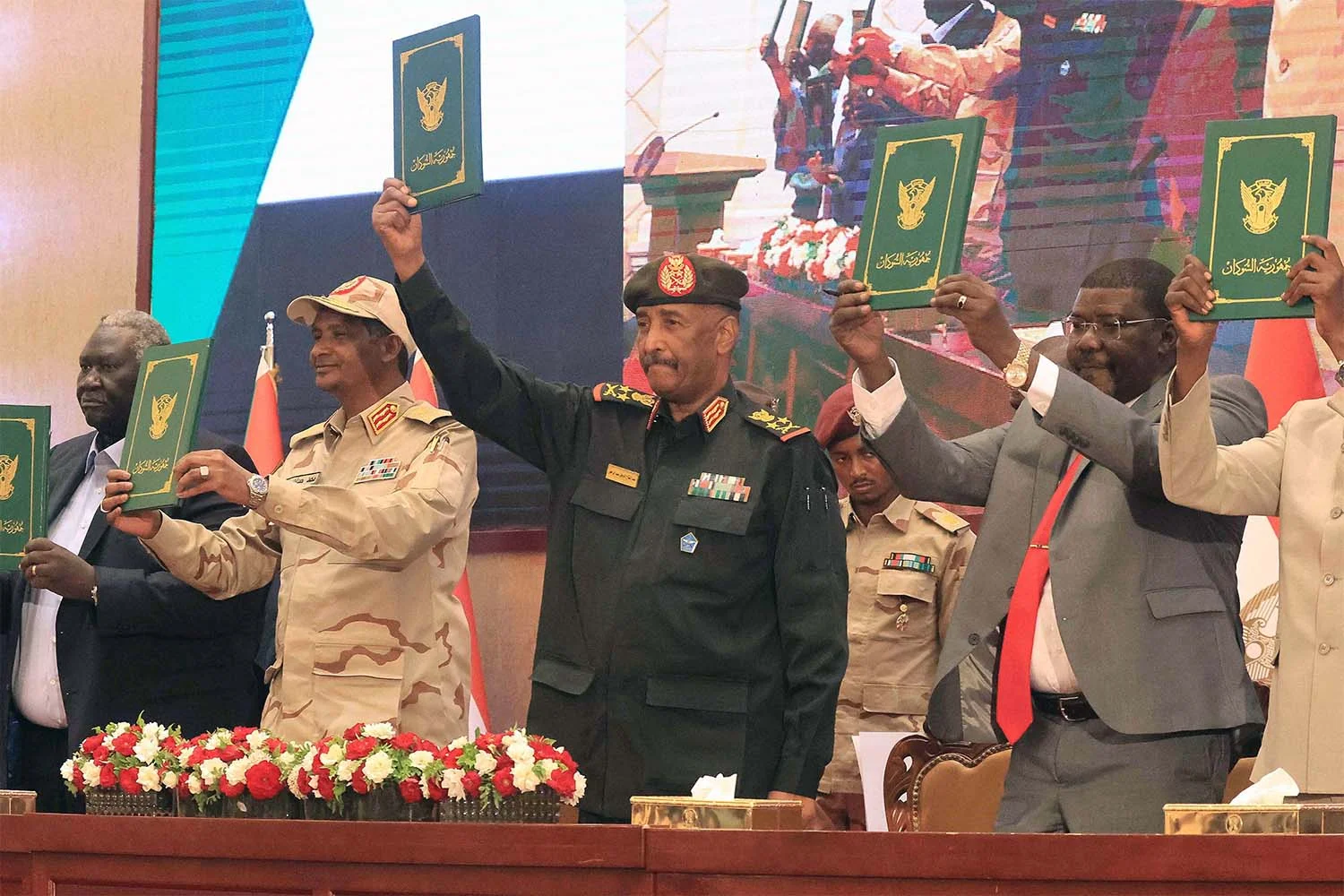
To address US concerns, Burhan could have formed an independent investigative committee or permitted an international inspection. Instead, he formed only an internal Sudanese committee, whose findings the government did not make public and never addressed Washington’s central demand: independent verification through the Organisation for the Prohibition of Chemical Weapons (OPCW). Burhan refused the inspection, and the impasse over verification—not any new incident—triggered this second round of sanctions. Although the government publicly expressed its willingness to cooperate, it rejected a genuinely independent international investigation.
Why Sudan Civil War Persists
The gravity of the issue stems from the fact that the Chemical Weapons Convention prohibits the use of such weapons under all circumstances, especially since their effects are difficult to contain when used in populated areas.
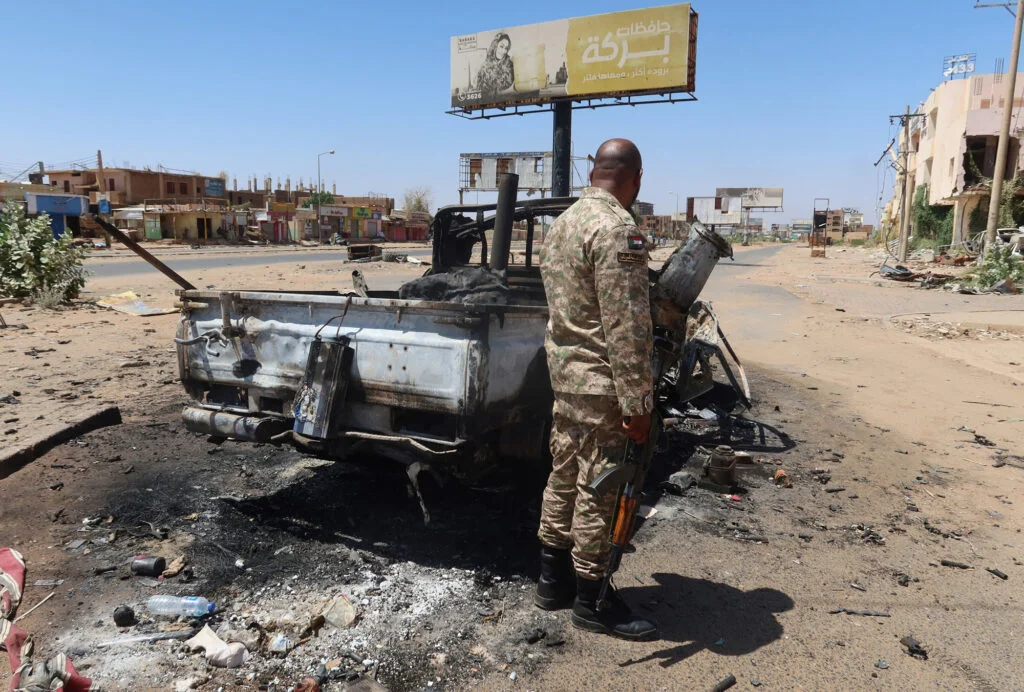
Yet the importance of this determination does not lie in its being the gravest accusation leveled at a Sudanese party, since it was preceded by an American determination of war crimes and genocide against the RSF in early 2025. What distinguishes this determination is that it activates a legal pathway specific to chemical weapons under US law, one that imposes graduated sanctions if the government fails to take clear steps to halt violations and cooperate with the relevant international bodies.
In practice, these sanctions are unlikely to change conditions on the ground on their own, for the reasons noted above. The new measures target Sudan at the state and government level: tighter export restrictions, US opposition to financing from multilateral development banks such as the World Bank, and a ban on Sudanese state-owned airlines operating in US airspace, while preserving humanitarian exceptions. Each of these measures carries less immediate practical effect than it may first appear.