
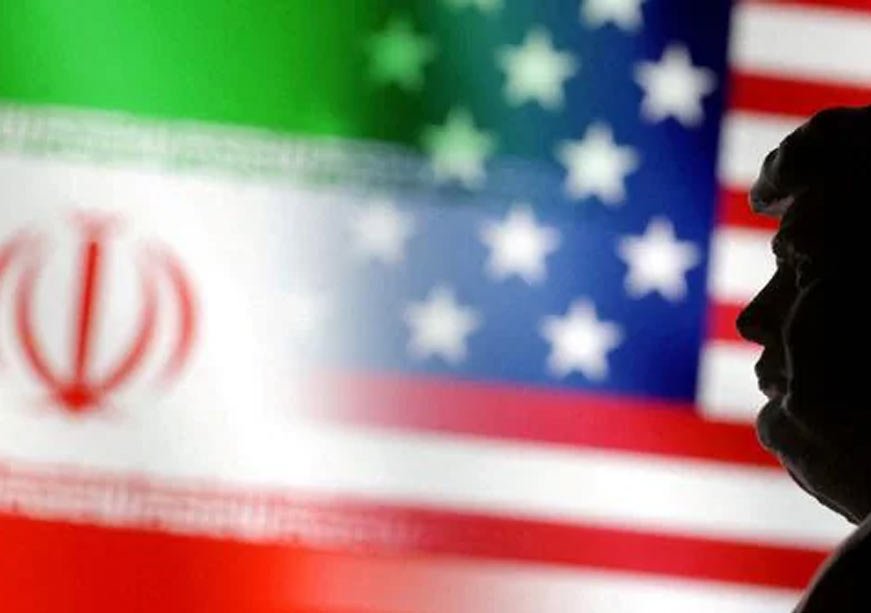
The US-Iran MoU freezes hostilities and opens a 60-day negotiation window, yet structural rivalries remain unresolved. This tactical pause lowers immediate risks but leaves nuclear, regional, and economic disputes deferred, creating a fragile diplomatic experiment.
The US-Iran MoU, signed after months of escalating confrontation, represents a calculated strategic pause driven by unsustainable conflict costs rather than a genuine resolution of foundational disputes. This tactical agreement freezes hostilities and opens a 60-day negotiating window, yet the underlying structural rivalries remain entirely unresolved, making the US-Iran MoU a fragile experiment in geopolitical recalibration rather than a durable settlement.
US-Iran MoU Tactical Framework Limits
Signed by US President Donald Trump and Iranian President Masoud Pezeshkian last week after months of escalating confrontation, the US-Iran agreement reflects less a resolution of underlying tensions than a recognition by all parties that the costs of continued conflict had become unsustainable. The accord emerged in the aftermath of a dangerous cycle of escalation triggered by military operations beginning in February 2026, including US and Israeli strikes on Iranian targets, retaliatory Iranian actions, disruptions to maritime traffic in the Strait of Hormuz, and the widening of hostilities across the region, particularly involving Hezbollah.
The agreement, however, should not be mistaken for a comprehensive peace settlement. It is best understood as an interim framework designed to halt immediate hostilities while creating a 60-day negotiating window-extendable by mutual consent-for addressing the more contentious issues that continue to divide Washington and Tehran.
At its core, the MOU seeks to institutionalize de-escalation. It mandates an immediate cessation of military operations across all theatres, including Lebanon, while reaffirming commitments to sovereignty and non-interference. The reopening of the Strait of Hormuz to commercial shipping constitutes perhaps the most economically significant component of the agreement. Iran has pledged to guarantee freedom of navigation, while the United States has committed to removing its naval blockade within thirty days. Given that roughly one-fifth of global oil supplies transit through Hormuz, this provision alone carries substantial implications for global energy markets.
Economic Terms of US-Iran MoU
The economic dimension of the agreement is equally notable. Sanctions waivers for Iranian oil exports, access to frozen Iranian assets, and plans for a reconstruction and development fund exceeding $300 billion collectively signal a shift away from the “maximum pressure” paradigm that has dominated US policy toward Iran in recent years. Yet the financial architecture remains underdeveloped, and significant uncertainty surrounds implementation mechanisms.
On the nuclear front, the agreement reveals both its promise and its limitations. Iran’s commitment not to pursue nuclear weapons provides an important political signal, but the most contentious questions, including uranium enrichment levels, stockpile reductions, ballistic missile development, and regional proxy networks, have been deferred to future negotiations. In effect, the agreement postpones rather than resolves the fundamental strategic disagreements between the two sides.
For this reason, the durability of the arrangement remains highly uncertain. The issues that have historically undermined US-Iran engagement have not disappeared; they have merely been moved to a later negotiating phase. The legacy of mistrust generated by the collapse of the Joint Comprehensive Plan of Action (JCPOA) continues to cast a long shadow over current diplomacy. Early implementation challenges, including allegations of ceasefire violations, delays in follow-up talks, and competing interpretations of obligations, demonstrate how fragile the process remains.
Fragility of US-Iran MoU
Domestic political dynamics further complicate matters. Critics within the United States view the agreement as excessively concessionary, while Iranian hardliners remain sceptical of any accommodation with Washington. Regional actors, particularly Israel and several Gulf states, continue to harbour reservations about a process that may enhance Iran’s economic and diplomatic room for manoeuvre. Any significant provocation by state or non-state actors could quickly derail negotiations.
Nevertheless, even a temporary reduction in tensions carries broader geopolitical significance. The restoration of maritime stability in the Gulf is likely to moderate energy price volatility and reduce pressures on global supply chains. The agreement also reinforces a broader shift in American statecraft under the Trump administration, privileging transactional diplomacy and selective engagement over prolonged military confrontation.
At the regional level, the accord creates opportunities for de-escalation but does not fundamentally alter the balance of power. Iran’s regional influence remains intact, Israel’s security concerns remain unresolved, and the complex web of proxy relationships that define Middle Eastern geopolitics continues to persist. The result is not a transformed regional order but a strategic environment that is more challenging than before.
US-Iran MoU Implications for India
For India, the immediate implications are largely positive. Greater stability in the Gulf directly serves India’s energy security interests by reducing price volatility and potentially reopening access to Iranian energy supplies. Sanctions relief could revive commercial opportunities linked to Chabahar Port and the International North-South Transport Corridor (INSTC), both of which are central to India’s connectivity strategy toward Central Asia and beyond.
The agreement also reduces a persistent source of friction in India’s relations with the United States. New Delhi gains greater flexibility to pursue its strategic partnerships in the Indo-Pacific while simultaneously maintaining engagement with Tehran. Yet caution remains warranted. The agreement’s success depends on progress during the forthcoming negotiations, where the most difficult issues remain unresolved. A breakdown in talks could rapidly revive tensions, disrupt energy markets, and undermine emerging connectivity initiatives. For India, therefore, the imperative remains unchanged: preserve strategic autonomy, diversify partnerships, and avoid overreliance on any single regional trajectory.
Strategic Nature of US-Iran MoU
Last week’s US-Iran understanding represents a tactical pause rather than a strategic settlement. It lowers immediate risks and creates diplomatic opportunities, but it leaves intact the structural rivalries that have shaped the region for decades. Whether it evolves into a durable framework for stability or becomes another episode in the cyclical history of US-Iran engagement will depend on developments over the coming months. Until then, it is an important but inherently fragile moment of geopolitical recalibration.