
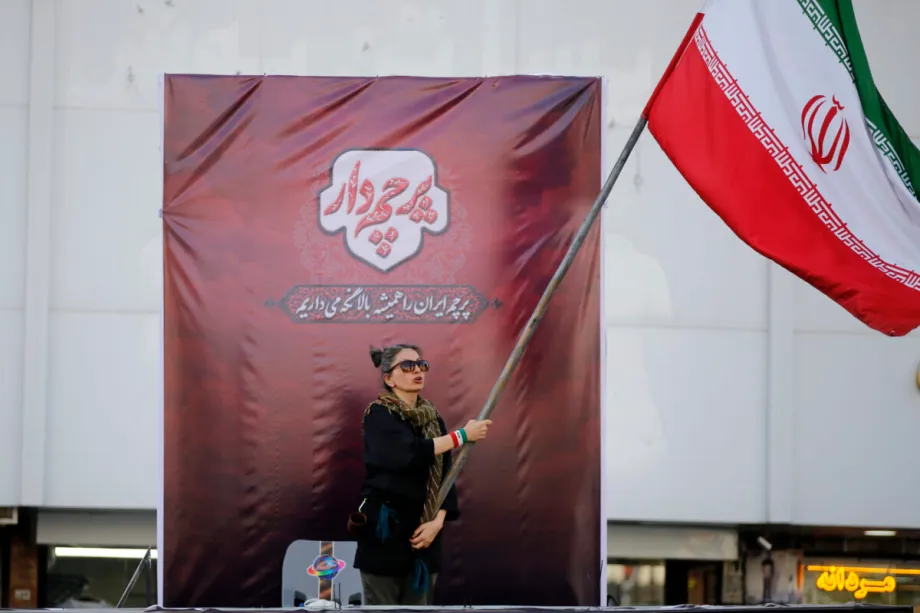
The June 2025 strikes on Iran expose a strategic void between pragmatic outcome-testing and power-political interest-calculation. Neither doctrine offers a coherent endgame, leaving the conflict’s verdict unresolved and regional stability dangerously contingent on unproven assumptions.
The coordinated June 2025 strikes on Iran force a brutal re-evaluation of whether American statecraft operates through consequence or power. Examining this conflict through pragmatism and realpolitik reveals that both doctrines demand a calculus of interest and outcome that the current escalation has yet to satisfy. Any honest application of pragmatism and realpolitik exposes a strategic vacuum where endgames should reside, not a triumph of either school.
Pragmatism and Realpolitik’s Shared Dilemma
Two Doctrines, One Conflict
When the United States and Israel launched coordinated strikes against Iran in June 2025, the world’s strategic analysts reached instinctively for two of history’s most enduring frameworks to make sense of what had unfolded: Pragmatism, the distinctly American philosophical tradition that judges actions by their consequences, and Realpolitik, the European doctrine that strips policy of moral pretence and reduces statecraft to power, interest, and calculation.
Testing Pragmatism and Realpolitik
Lens One: Pragmatism — The War as a Test of Consequences
Pragmatism, as a doctrine of statecraft, holds that no policy is inherently right or wrong; it is validated or condemned by outcomes. William James, the great philosophical architect, argued that “the true is only the expedient in our way of thinking.” Applied to war, this demands a ruthlessly empirical question: did it work?
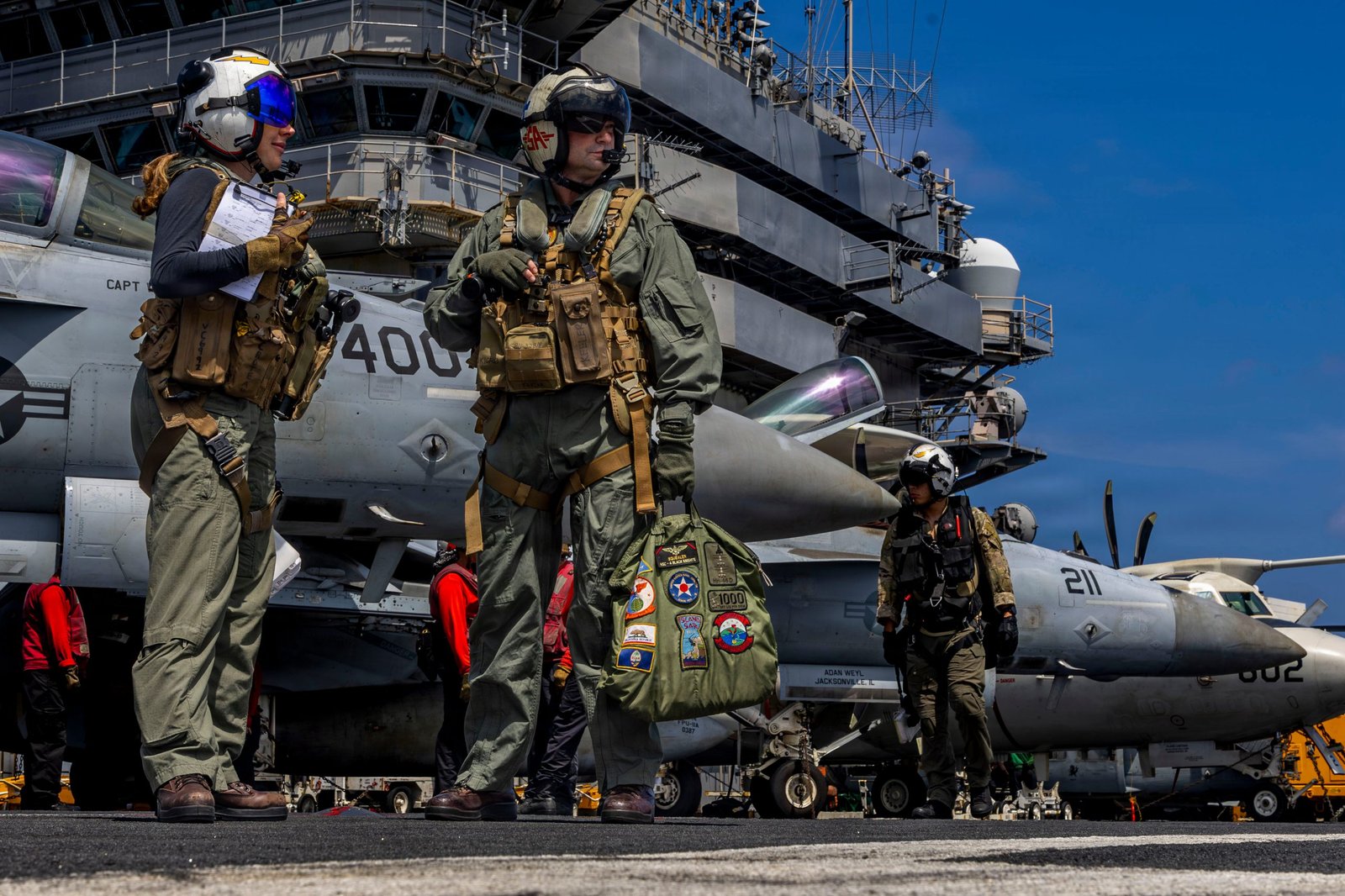
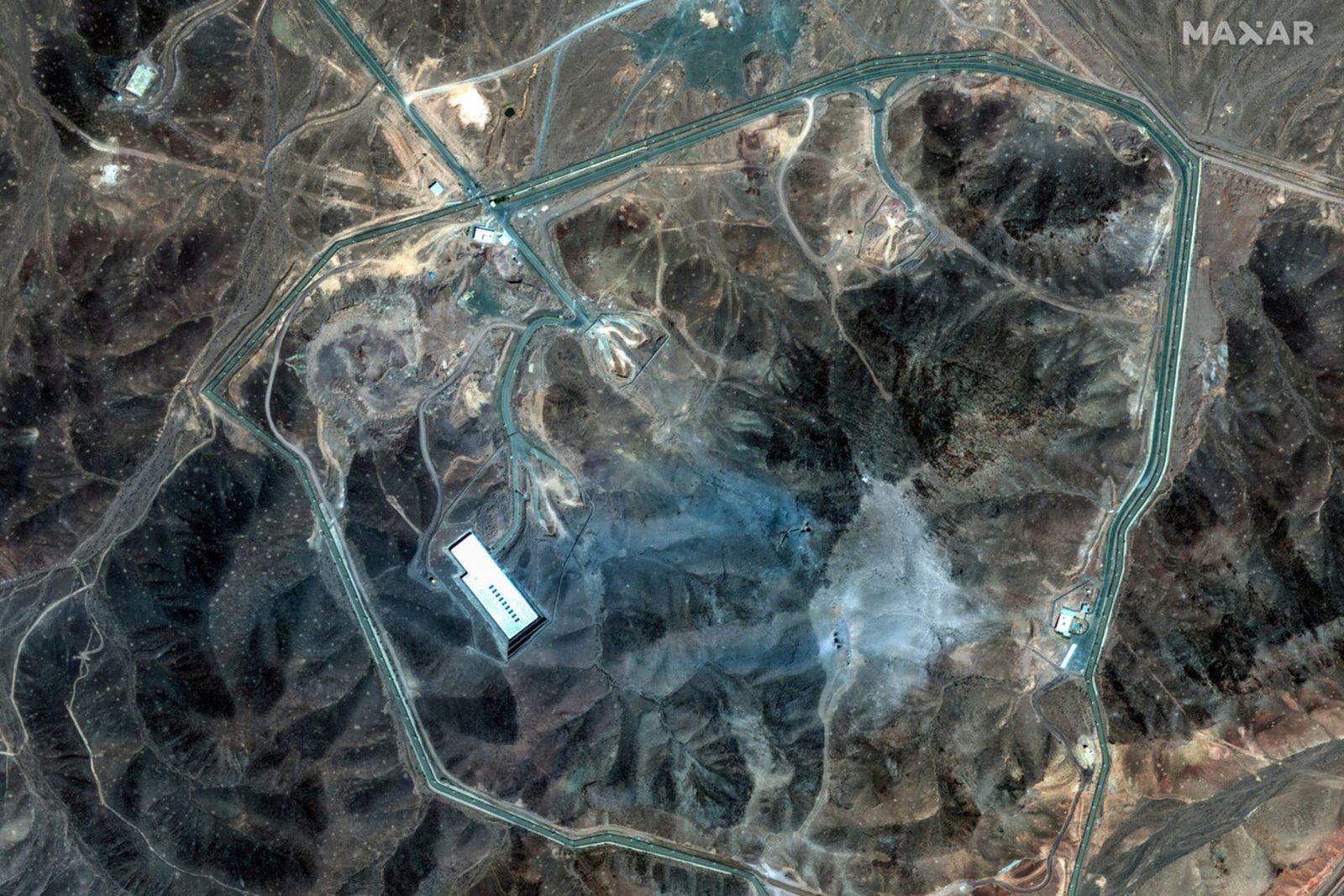
The pragmatist case for the Iran strikes rested on three consequentialist pillars. First, the neutralization of Iran’s nuclear infrastructure — particularly the deeply buried facilities at Fordow and Natanz — was presented as a measurable reduction of existential risk. Second, the degradation of the Islamic Revolutionary Guard Corps’ missile and drone arsenal was framed as restoring deterrence stability across the Levant and Gulf. Third, and most politically consequential for Washington, the strikes were expected to produce a chastened Tehran more susceptible to diplomatic re-engagement.
Yet pragmatism is equally merciless when outcomes diverge from intentions. Walter Lippmann, whose realist-pragmatist synthesis shaped a generation of American strategists, warned that “foreign policy consists in bringing into balance, with a comfortable surplus of power in reserve, the nation’s commitments and the nation’s power.” The post-strike landscape has unsettled that balance considerably. Iranian proxy networks — in Iraq, Yemen, Lebanon, and Syria — have not been dismantled; they have been energized. The Strait of Hormuz, through which roughly 20 percent of the world’s oil transits, remains a theatre of deliberate friction. The pragmatist scorecard, honestly computed, remains deeply contested.
President Dwight Eisenhower, a president whose military credentials lent authority to strategic restraint, cautioned decades earlier: “Every gun that is made, every warship launched, every rocket fired signifies, in the final sense, a theft from those who hunger and are not fed.” A genuinely pragmatic foreign policy would weigh the trillion-dollar downstream costs of regional destabilization against any battlefield gain. That accounting has not yet been made with candor.
Power’s Verdict on Pragmatism and Realpolitik
Lens Two: Realpolitik — The War as an Architecture of Power
Where pragmatism asks did it work, Realpolitik asks, ” Whose power does it serve? The doctrine, crystallized by Otto von Bismarck in the nineteenth century and theorized in the twentieth by Hans Morgenthau, holds that states are driven not by ideals but by interests, and that the international order is shaped by those with the will and capacity to impose their preferences upon it.
Iran, since 1979, has pursued a doctrine of strategic depth: building, arming, financing, and directing non-state actors from Beirut to Sanaa. This network — what analysts at the Rand have called Iran’s “forward defense” posture — allowed Tehran to project power without exposing its own territory to symmetric retaliation.
The strikes, in the Realpolitik reading, were an attempt to collapse that strategic depth — to force Iran back inside its own borders, strategically neutered. Henry Kissinger, the twentieth century’s most consequential practitioner of Realpolitik, observed that “it is not a matter of what is true that counts, but what is perceived to be true”. The perception of Iranian invulnerability — the sense that its proxy architecture made it strike-proof — had itself become a source of Iranian power. Shattering that perception was, in Kissingerian terms, a legitimate and necessary strategic act.
Yet Realpolitik contains its own critique of this war. Kenneth Waltz, the structural realist who gave the doctrine its most rigorous contemporary form, argued in Man, the State and War that military force resolves crises only when it resolves the underlying distribution of power — and that states with survival-level interests invariably reconstitute their capacities. Iran is not a brittle client state. It is a civilizational actor of twenty-five centuries’ standing with a demonstrated capacity for strategic patience. Realpolitik counsels respect for an adversary’s core interests precisely because ignoring them produces not submission, but escalation calibrated for the long game.
Pragmatism and Realpolitik’s Unfinished Reckoning
Where the Two Lenses Converge — and Diverge
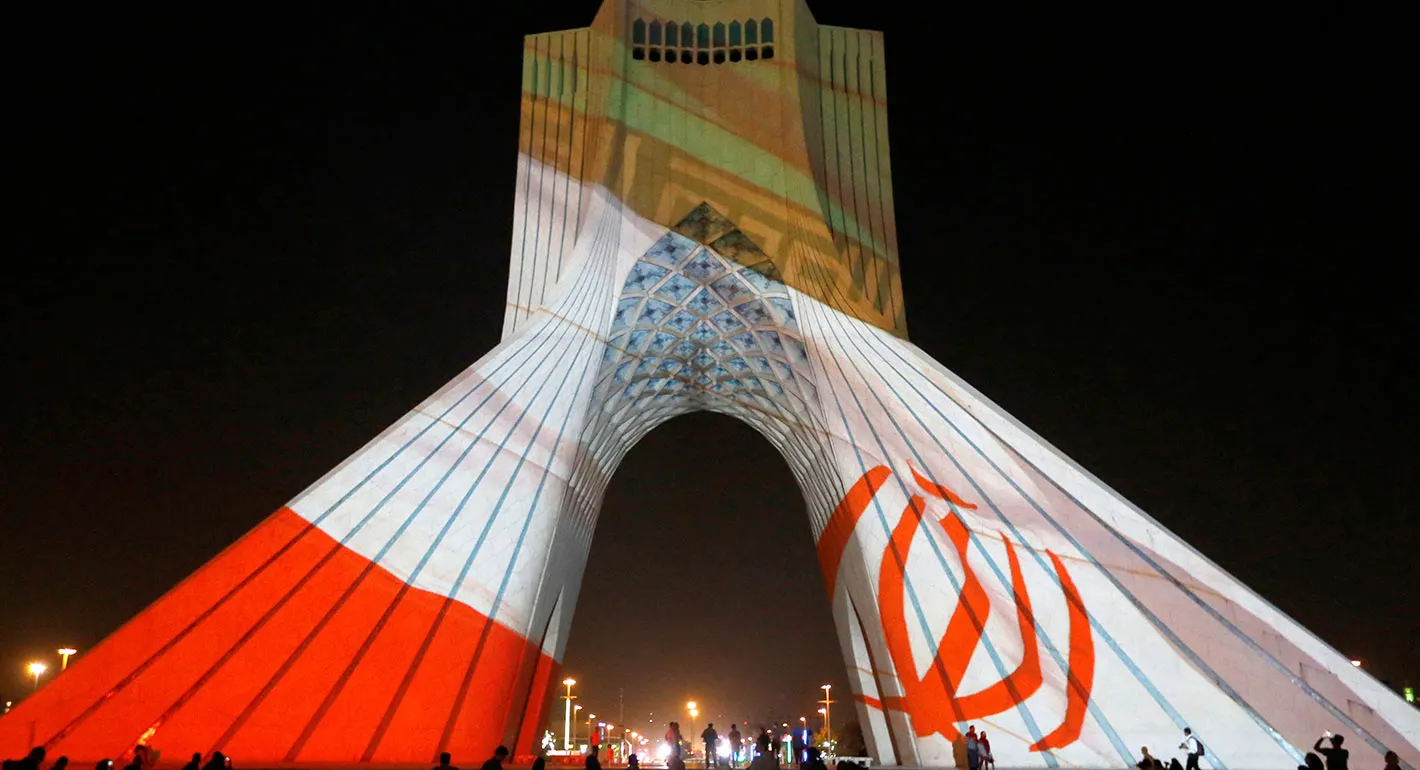
Both frameworks share one uncomfortable insight: wars without endgames are strategic failures regardless of their tactical successes. Sun Tzu’s admonition — “Supreme excellence consists in breaking the enemy’s resistance without fighting”—points to what neither Pragmatism nor Realpolitik has yet to locate in this conflict: a durable framework for Iranian restraint that does not require perpetual military enforcement.
The tension between these two traditions defines not only American strategy toward Iran but the deeper contradiction at the core of American grand strategy itself: a nation that speaks the language of liberal idealism while practicing, often brilliantly, the arts of power politics.
George Kennan, the architect of containment and perhaps the most lucid American strategic thinker of the last century, wrote in American Diplomacy that “the counsels of impatience and hatred can always be made to seem more tough and more realistic than the counsels of moderation and restraint.” Both Pragmatism and Realpolitik, properly understood, are ultimately counsels of restraint — each demanding that force be proportionate to interest, that commitment match capability, and that victory be defined before the first missile is launched. By those measures, the verdict on the war against Iran remains, for now, irresolvable.