
This brief analyzes the severe erosion of US military professionalism resulting from leadership denying verified civilian casualties in Iran. Political pressures and structural degradation threaten institutional credibility, legal frameworks, and counterinsurgency efficacy.
A profound moral and strategic erosion occurs when institutional mendacity supplants battlefield accountability. As senior leadership detaches operational narrative from verified human costs, the core tenets of doctrine degrade, fundamentally compromising the strategic utility of American hard power.
This systemic disregard for civilian casualties directly compromises long-term security interests by alienating critical populations and fracturing international alliances. Minimizing civilian casualties is not merely a legal constraint, but a structural necessity for maintaining operational legitimacy and preserving the foundational integrity of the armed services.
Civilian Casualties Ignored in Command Testimony
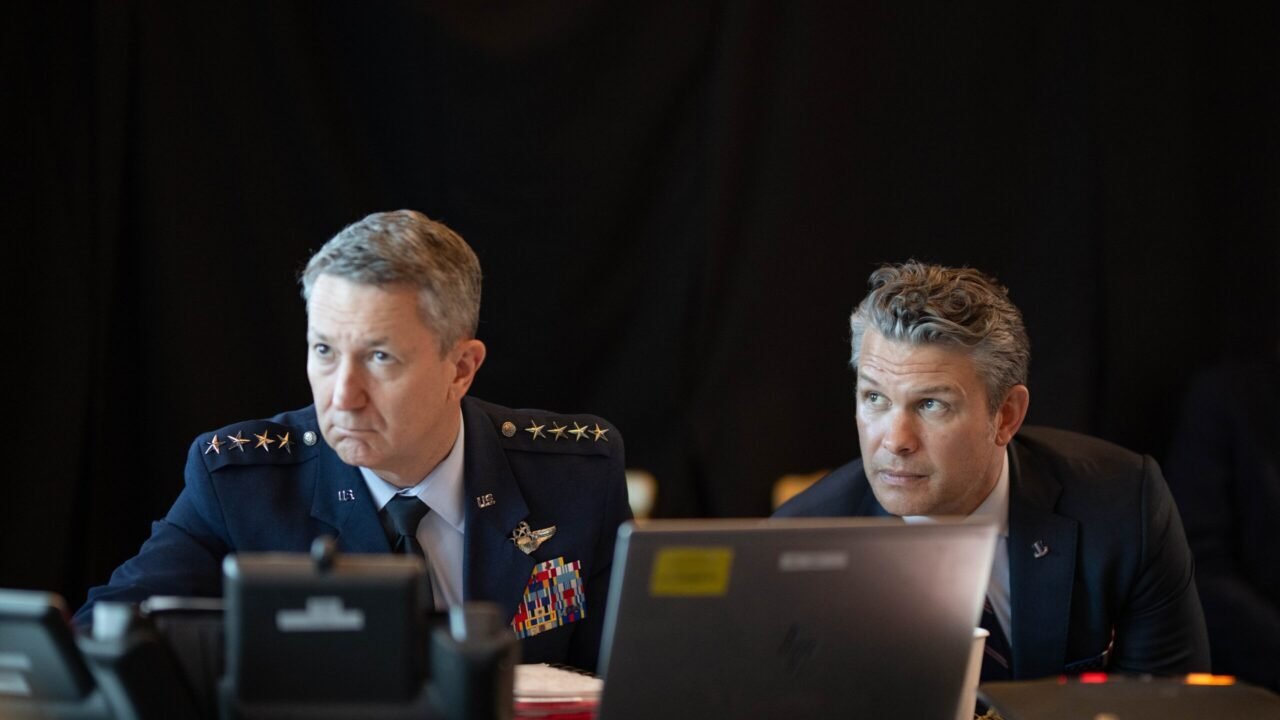
Admiral Brad Cooper, head of US Central Command (CENTCOM) and thus the senior operational commander in the war against Iran, gave testimony before a Senate committee last week that insulted truth and reality. Cooper contended that apart from the destruction of one Iranian school, he was not aware of any civilian casualty incidents in Iran. Prevention of civilian deaths is “a matter that I’m passionate about,” declared Cooper.
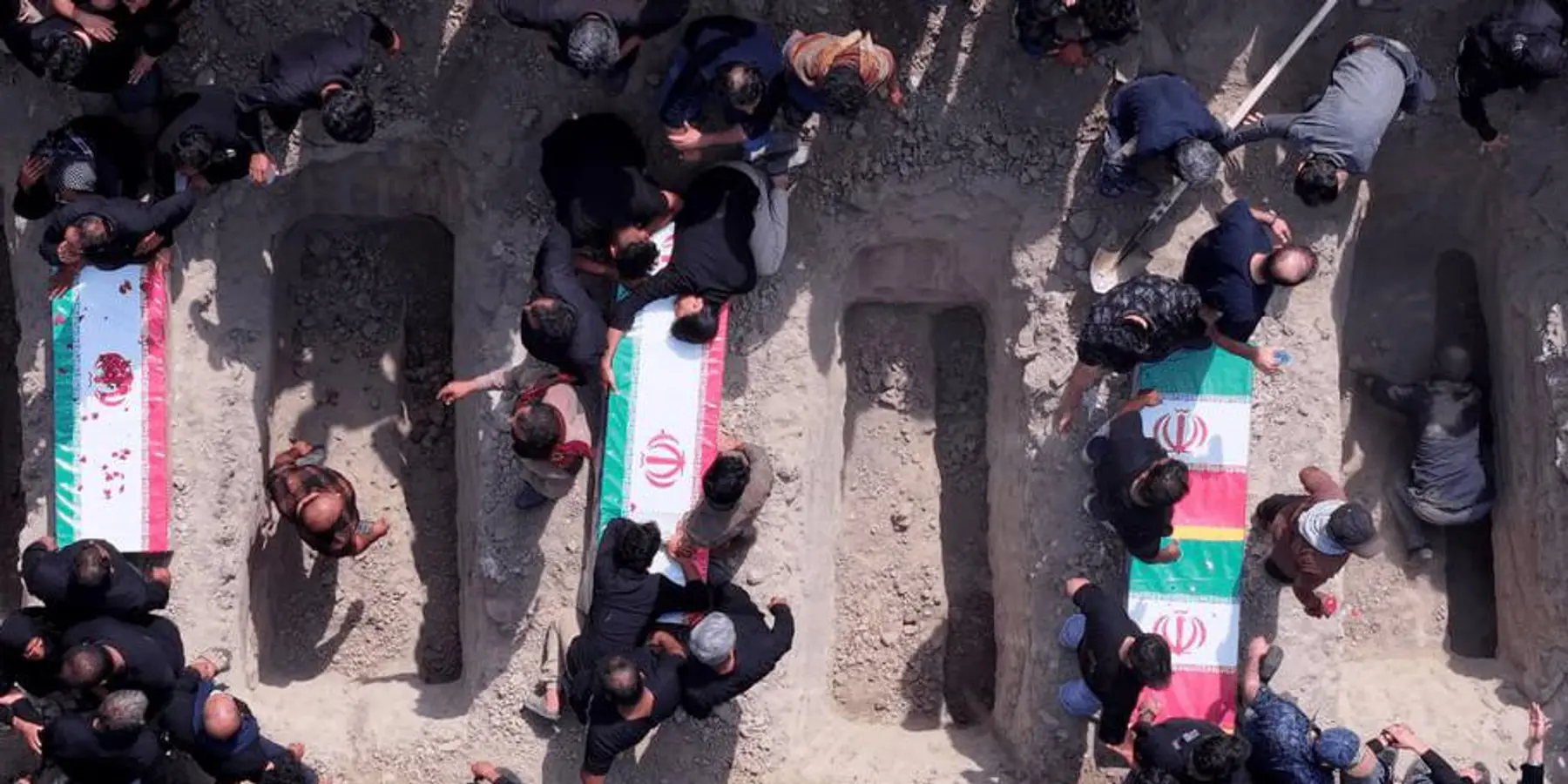
According to the admiral, his command has a near-perfect record in avoiding such civilian harm in an offensive that has involved more than 13,600 strikes. This assertion is grossly at odds with facts about the war in Iran that human rights organizations have compiled and news media have reported. Airwars, a British organization that investigates civilian casualties in wars, has recorded at least 300 incidents so far that have involved civilian casualties.
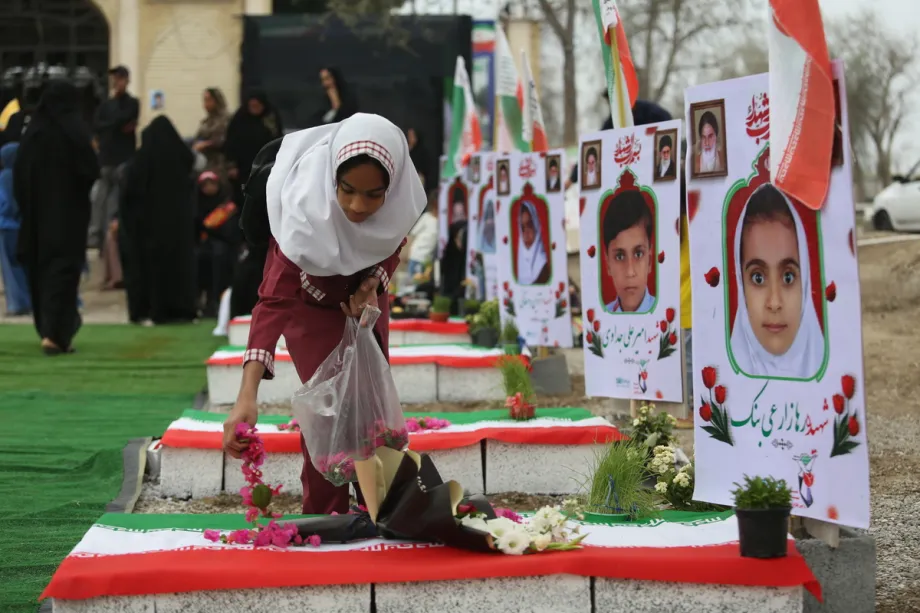
As of early April, the Human Rights Activists News Agency had counted 1,701 civilian deaths in Iran, including at least 254 children. The New York Times independently investigated and verified damage to 22 schools and 17 health care facilities, which is only a fraction of the 763 schools and 316 medical facilities that the Iranian Red Crescent Society reports being damaged or destroyed during the war.
Human Rights Data Exposes Civilian Casualties Reality
Asked about the Times report, Cooper said there was “No indication of that whatever.” But despite his supposed passion for civilian protection, he admitted that his command had not investigated any of the incidents that the Times or human rights organizations had documented.
The US military has not even acknowledged responsibility for the strike on an elementary school on the first day of the war that killed 156 civilians, including 120 children. More than two months later, neither CENTCOM nor the Pentagon has released any findings regarding the incident, even though, as William McRaven, former commander of the US Special Operations Command, has commented, “it was frankly pretty clear from the very beginning that we were probably responsible.”
Institutional Erosion Driven by Civilian Casualties
The attitude Cooper evinces reflects one dimension of how the Trump administration has put the US military’s professionalism and standards under pressure. It may not be surprising for a theater commander to paint over the uglier parts of a war of aggression that his own political bosses started.
But blowing off civilian suffering goes beyond that to broader attitudes of those same bosses. Secretary of Defense Pete Hegseth has made disdain for laws of war, including those protecting civilians, a personal calling card. He has gutted the statutorily mandated civilian harm mitigation and response (CHMR) program that began under the Biden administration.
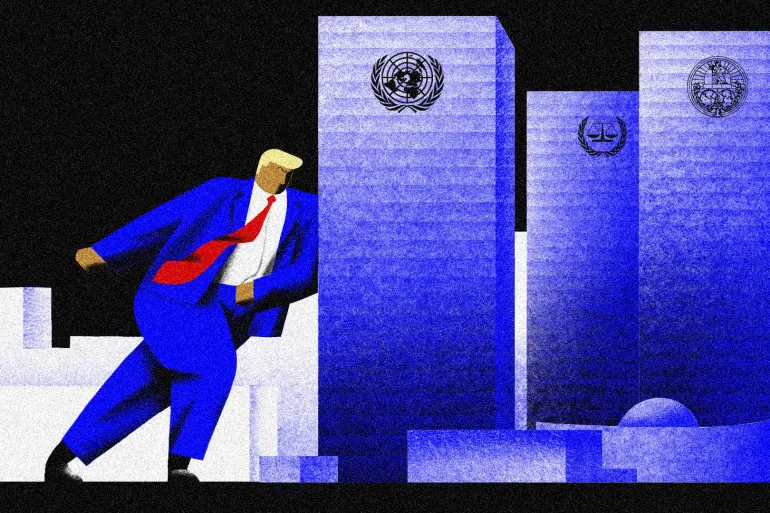
As for President Donald Trump, he has summarized his attitude on these issues by declaring, “I don’t need international law.” Such an attitude has multiple costs. It erodes the protection afforded Americans, both military and civilian, by widely recognized rules of international conduct. It projects an image of the United States as inhumane to the international community. It brutalizes the mindset of US officers whose profession ultimately is about protecting lives rather than ending them.
Civilian Casualties Imperil Vital Counterinsurgency Missions
The attitude also impairs the ability of the US military to accomplish its missions, many of which are more about influencing people than about killing them. This is most obviously true in counterinsurgency, with its emphasis on winning hearts and minds. But it has also been true in the current war against Iran. A principal reason Trump’s early war objective of stimulating a popular uprising that would overthrow the Iranian regime has not been achieved is that Iranian civilians perceive the war as being waged against them and not just against the regime. Killing civilians and destroying their schools and hospitals reinforces that perception.
The administration’s attack on the military’s professionalism has especially involved politicization of the uniformed services, which has included purges of general officers and holding what amount to political rallies on military bases.
This politicized environment may be another influence on Admiral Cooper, who, in his appearance before the Senate committee, was exhibiting Trump-style mendacity: telling a false story in the face of obvious evidence to the contrary, similar to what Trump has said about rising gasoline prices. Such behavior entails yet another cost—diminished credibility of the US military in the eyes of both domestic and foreign audiences.
Divergent Officer Responses to Civilian Casualties Pressures
Different military officers have responded to the administration pressures in different ways. When Hegseth summoned generals and admirals from posts around the world to Quantico for a lecture in September of last year, most of the officers sat in polite, stony silence, which was the only proper response. The chairman of the Joint Chiefs of Staff, General Dan Caine—even though he was Trump’s hand-picked replacement for his purged predecessor—has tried hard to avoid getting dragged publicly into the political realm, even to the point that he is criticized by some observers for surrendering too much messaging about war strategy to the politicians.
The former head of US Southern Command, Admiral Alvin Holsey, quietly retired early from his post over concerns about the propriety of boat strikes off the coast of South America that amount to extrajudicial killings. Former Joint Chiefs Chairman General Mark Milley publicly apologized for allowing himself to be used during Trump’s first term as a prop in a political photo op. That apology put Milley on Trump’s enemies list.
Cooper evidently is not cut from the same cloth as Holsey and Milley. Besides staying in the good graces of Trump and Hegseth and keeping his four-star job, what he said about civilian casualties might also reflect some indirect influence of Israel, which was Trump’s partner in initiating the war against Iran. Nearly five years ago, CENTCOM assumed responsibility for Israel from the US European Command, which increased the opportunity for the Israeli military’s attitudes to rub off on the former command.
Those attitudes include declaring itself to be “the most moral army in the world” while in practice showing such disregard for civilian casualties and suffering that the United Nations could label at least one of its operations as“genocide.”
The US military has had past episodes of illegal, immoral, and unprofessional conduct—illustrated in an extreme case by the My Lai Massacre of 1968—but usually the American public’s sense of propriety has led to recognition of what was wrong and support for steps that constitute correction and atonement.
When I was an Army officer in the last year of the Vietnam War, well after the horror of My Lai was widely recognized, a fellow lieutenant and I once had to go to the home of a Vietnamese woman who had been slightly injured in a collision with a vehicle that one of our soldiers was driving.
We conveyed a formal apology and a modest cash payment as compensation. A small gesture for a small offense, but one reflecting an attitude of responsibility that is now in danger of being lost amid much greater offenses.