
An elite, high-level corporate strategic defense brief breaking down the profound industrial, economic, and allied reconfigurations required to sustain global Western deterrence during long-term wars of attrition.
The changing dynamics of modern conflict dictate a profound restructuring of Western global defense frameworks, where immediate tactical overmatch must be systematically paired with long-term industrial endurance.
As global flashpoints transition into prolonged wars of attrition, maintaining an operational advantage requires an unprecedented expansion of supply-chain capacities and logistical infrastructure.
Transitioning successfully into the realities of The American Military’s Coming Marathon demands that defense planners discard assumptions about rapid, decisive triumphs in favor of deep-theater resilience.
For security networks to remain viable, a comprehensive overhaul must modernize weapon production pipelines to withstand the structural stresses highlighted by The American Military’s Coming Marathon.
The American Military’s Coming Marathon Operational Outlook
When U.S. President Donald Trump launched his war on Iran, he promised that the conflict would be quick and easy. “Four to five weeks,” Trump told The New York Times on March 1, a day after the bombings started. “It won’t be difficult.” He echoed those statements at a ceremony the following day: “We’re already substantially ahead of our time projections.” A week later, he told reporters the war would be over “very soon.” Israel and the United States, he declared, had “wiped every single force in Iran out.”
The conflict, of course, has defied those predictions. It dragged on for more than a month before Washington concluded it could not easily compel Tehran to surrender. The two sides then struck a shaky cease-fire. And despite the formal pause in fighting, Tehran and Washington are still striking each other—and each other’s partners. Both have repeatedly threatened to restart the full-scale conflict.
This trajectory has emphasized a difficult truth: modern wars are seldom swift affairs. Instead, they are generally long, and they rarely end decisively. They drain munitions stockpiles and test their participants’ resolve. The United States, for instance, is now running low on various critical missiles. Public approval of the war, which was never high, has declined.
The past year has also illustrated that the American military remains highly capable of carrying out complex, targeted operations. But the Iran war shows that the U.S. military needs to be ready for marathons, not just sprints. It must amass arms and munitions and make better use of advanced technologies both for manufacturing more sophisticated weapons and for defending against them. It needs to harden its overseas bases and support facilities—and indeed the American homeland—to withstand waves of enemy drone and missile attacks. Finally, it needs to work more closely with its allies to meet the challenges they share with Washington. Otherwise, the United States risks stretching itself too thin in an increasingly dangerous world.
Asymmetries Targeting The American Military’s Coming Marathon Realities
SIZE MATTERS The United States possesses the planet’s most advanced military. This is a fact that the last year of conflict has made evident. Consider, for example, its overnight raid on Caracas in early January that captured Venezuelan President Nicolás Maduro and his wife. It was an enormously challenging undertaking that required sneaking special operations forces inside Venezuela’s capital while maintaining the element of surprise. It could easily have gone wrong. But U.S. special forces quickly suppressed Venezuela’s air defenses before slipping in and out in less than three hours.
The United States lost no soldiers. Similarly, the June 2025 surprise strike on Iran’s nuclear program was an impressive display of American airpower, as U.S. B-2 stealth bombers flew halfway around the world through sophisticated Iranian air defenses to strike the country’s nuclear infrastructure without warning. And the strikes that decapitated Iran’s leadership at the beginning of this year’s operations required a remarkable degree of coordination between American intelligence and allied (in this case, Israeli) airpower.
But these operations all had discrete aims. The United States didn’t try to take down Maduro’s entire regime, just Maduro himself, and when it attacked Iran last June, it wasn’t aiming to make Tehran give up its entire nuclear program.
This time, that is indeed the goal, and the result is a bigger war in which the United States has struggled to triumph. Much to Washington’s frustration, the Islamic Republic has proved capable of sustaining a lengthy conflict, even as top officials are killed, in part thanks to its large arsenal of missiles and drones and its cleverness in deploying them. In the past, mass and precision were the exclusive provenance of the United States and other countries with advanced militaries.
But thanks to the advent of cheap uncrewed vehicles, weaker states and even nonstate actors (including some Iranian proxy groups) can now produce and successfully use large numbers of aerial weapons. Iran, for instance, has sent Shahed drones to saturate American air defense systems and strike U.S. bases in the Middle East—a capability that eluded the Iraqi dictator Saddam Hussein in 1991 and 2003. It has even been able to strike specific targets on those bases, such as air defense radars. Iran, Russia, and other American adversaries are now producing these weapons in ever greater numbers.
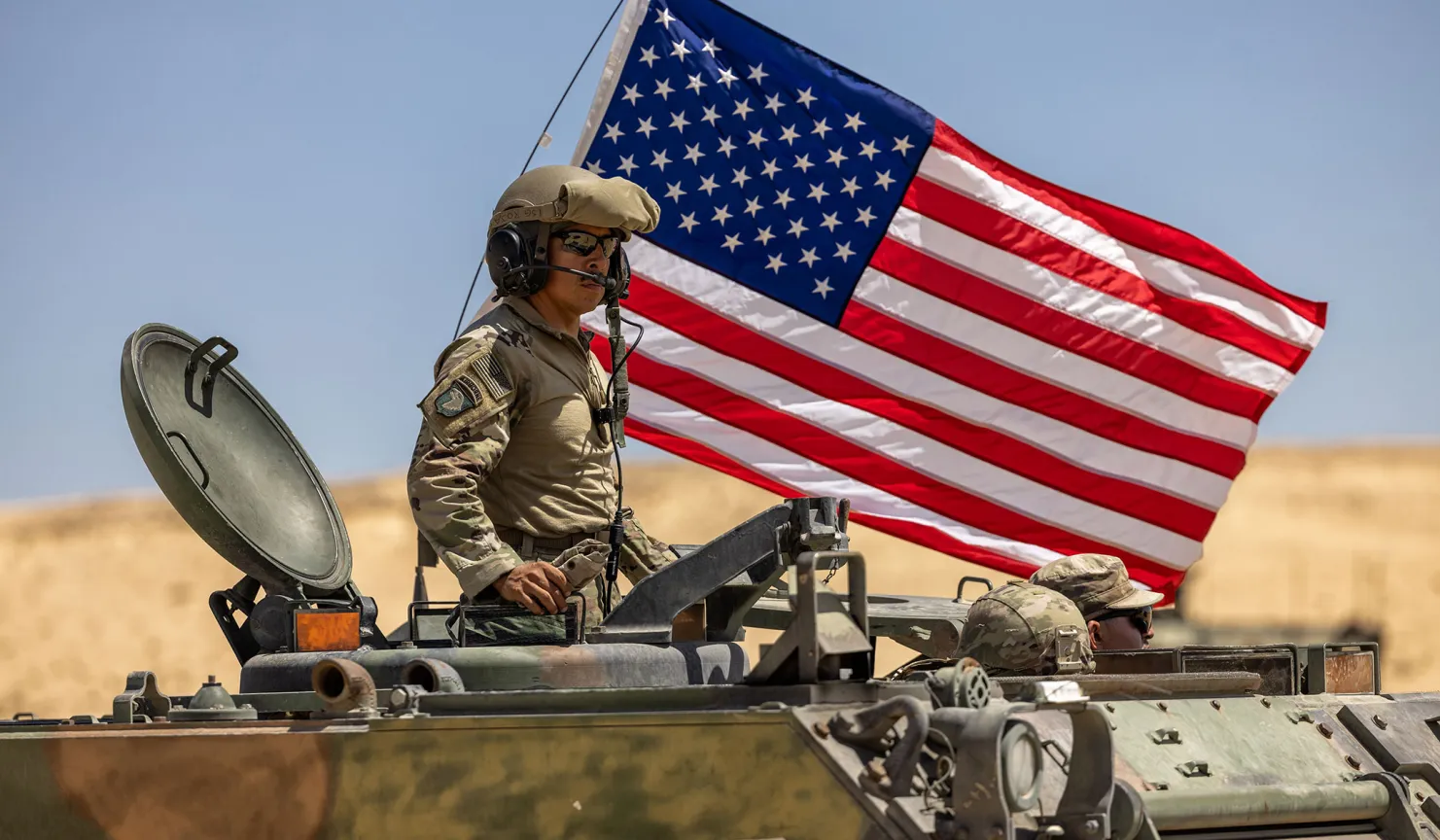
The United States has started to adapt to this new reality. Each branch of the military is plan-ning to deploy large numbers of uncrewed systems. They are also developing new ways of war suited to a world where adversaries possess many such systems themselves. But Washington has chronically struggled to protect its military facilities. The American military is particularly reliant on large, fixed assets, such as ports, airfields, and industrial and economic sites, and Washington has yet to properly invest in defending them. It has, for example, spent relatively little on shelters that can protect military aircraft on the ground. Consequently, the United States has already lost multiple expensive tankers and command-and-control aircraft in the war with Iran.
Limits Restricting Airpower Mastery During The American Military’s Coming Marathon
The United States will also need to rethink its operational concepts. Right now, Washington’s offensive playbook relies heavily on establishing air superiority over its opponent. Although the war with Iran has offered a vivid reminder of modern airpower’s lethality, it has also demonstrated airpower’s limits. For all the damage that American and Israeli bombings have done, they have failed to coerce Iran’s leadership. Once again, Tehran’s success at producing a lot of cheaper munitions has helped it defend against U.S. attacks and down U.S. planes—including an A-10 Warthog and an F-15 Eagle in April.
The war with Iran has thus turned into precisely the kind of conflict Trump hoped to avoid: one of attrition. Rather than winning in a knockout blow, the United States has been reduced to trying to wear Iran down by targeting its stockpiles of missiles and missile launchers. Iran, for its part, worked to exhaust the United States by hitting its regional facilities and regional allies—and by choking off commerce through the Strait of Hormuz.
In wars of attrition, military strength becomes a matter of economic and industrial capacity as much as a matter of talent. The controlling variable is not just how skilled troops and commanders are but also how many munitions they have and how quickly they can produce them.
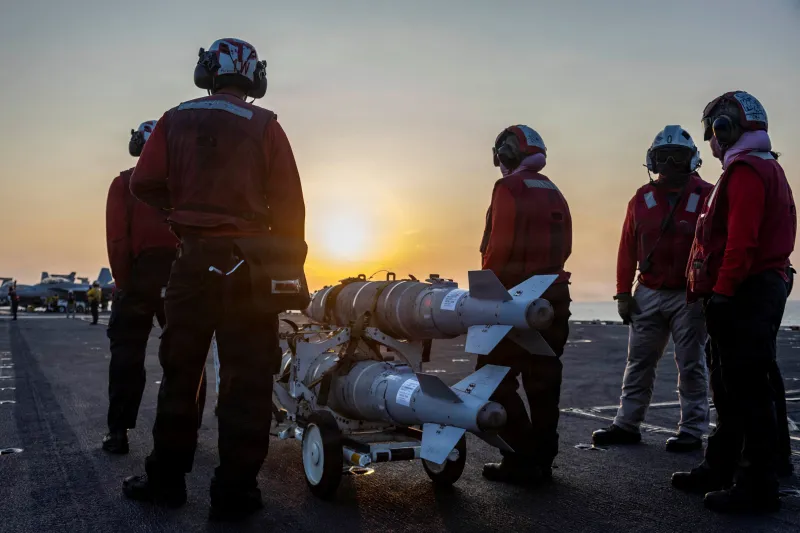
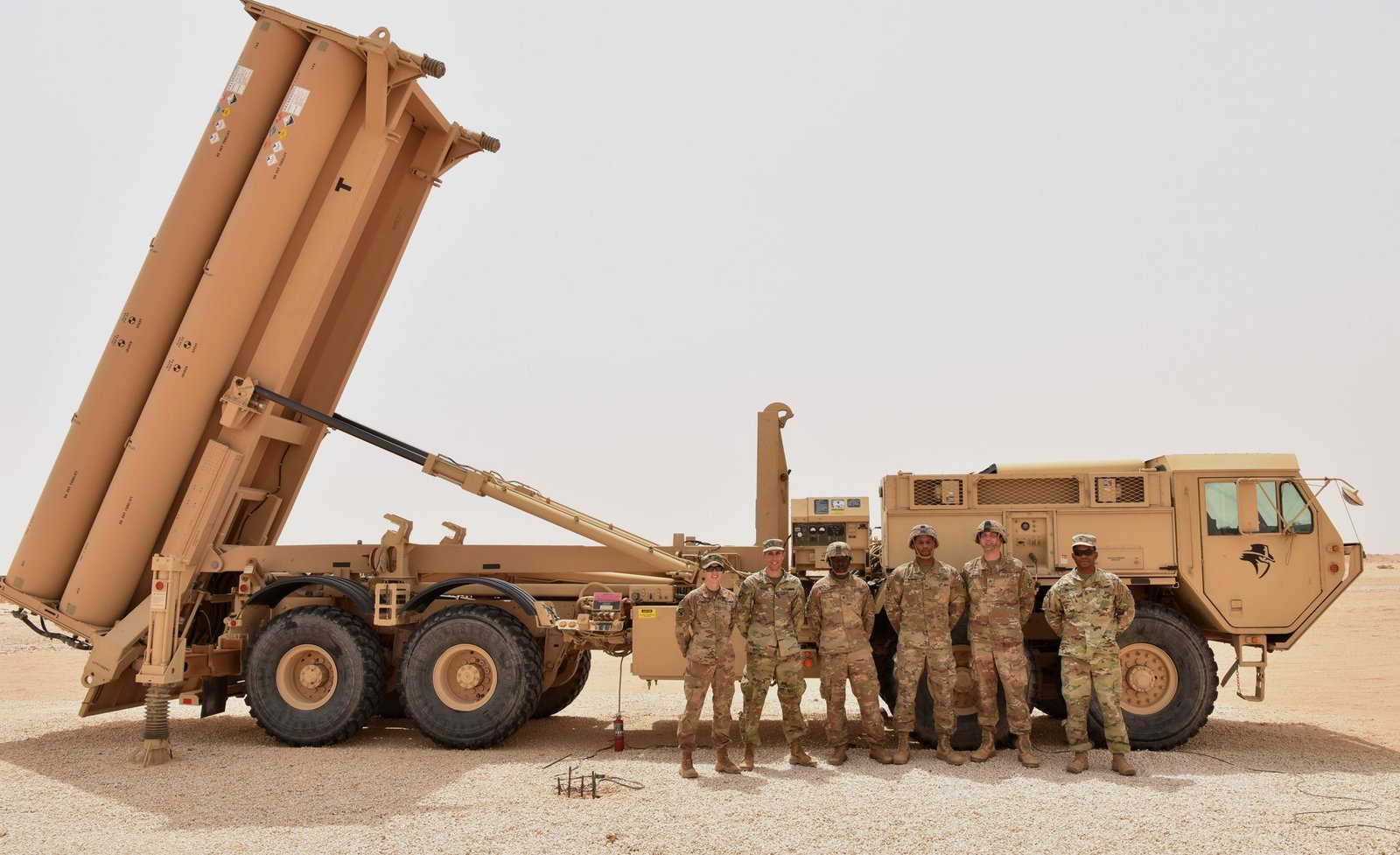
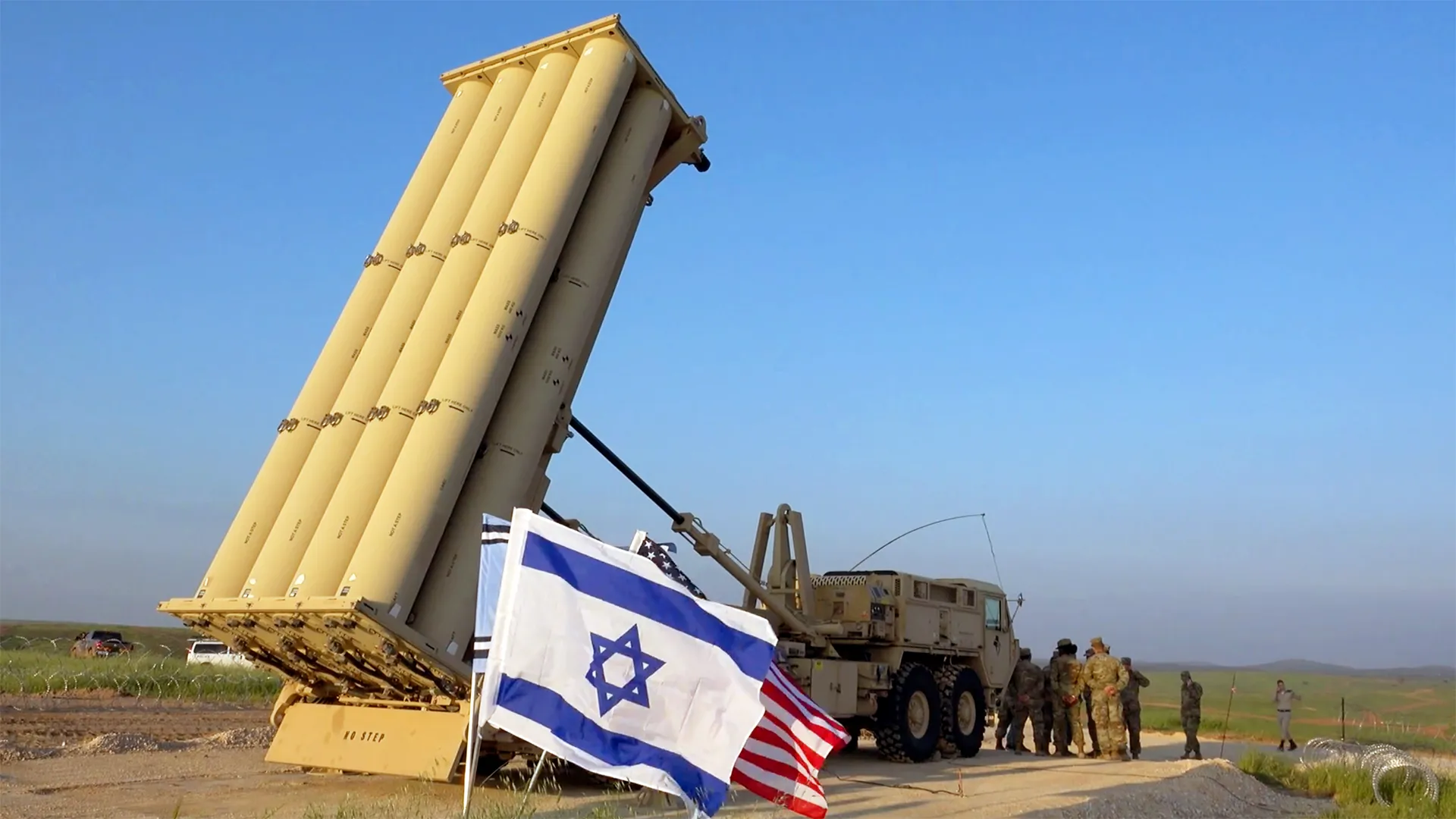
And here, Washington has run into problems. Although the Defense Department has not released official figures, it is clear that Washington has burned through a large number of drones and missiles in a short period and that it will take a good deal of time to replenish these stocks. According to an estimate by the Center for Strategic and International Studies, for instance, the United States has used nearly half of its stockpile of precision-strike missiles and at least half of its THAAD missile interceptors.
It will take years to replenish both to prewar levels. And it will take even longer for the United States to produce the munitions it would need to wage war against a more capable and well-armed adversary, such as China.
The American Military’s Coming Marathon Industrial Supply Constraints
Washington’s munitions problem should not come as a shock. Observers have long warned that the United States was acquiring far too few missiles and bombs. In the months before the war, the Trump administration made some progress in addressing this shortage—for instance, negotiating a series of long-term procurement contracts with key munitions providers, which should incentivize them to increase production for years to come. The Defense Department is also encouraging new firms to enter the munitions industry, and it is investing more in modernizing existing manufacturing facilities.
But these steps are still insufficient. The administration’s 2027 fiscal year budget request to Congress, for example, would fund only a fraction of the long-term munitions contracts that the Pentagon has promised. As a result, suppliers still don’t have the long-term demand signals they want. And much of the funding needed to expand and modernize munitions production remains in limbo.
To fix this problem, the United States must start by spending more money on buying a wider array of munitions and on guaranteeing purchases over the course of years, either by reallocating money within the defense budget or through further increasing it. The Defense Department should also further expand its munitions output by investing in new production facilities that can be quickly scaled up. Washington should also embrace innovative weapon systems that can help it manage its stockpiles, such as fielding long-range guided projectiles, which are cost-effective alternatives to some precision munitions.
The United States should also adopt advanced energetics—more powerful propellants and warheads—to produce weapons that can travel farther because of greater explosive power. (Although the United States pioneered the formulation of advanced energetics decades ago, today it is China, not the United States, that is exploiting this innovation.) This is the promise of welcoming new entrants into the U.S. defense industrial base.
Newer inventions could be particularly helpful in conserving defensive munitions. The United States has a critical shortage of missile interceptors, and manufacturing more of them has rightfully figured heavily in the Defense Department’s efforts to increase armament production. But the United States would be well served to pair this endeavor with novel, more efficient and effective approaches.
The Israeli Iron Dome system, for instance, relies on a layered defense composed of salvoes of much less expensive interceptors to defend, protect, and save lives. Washington might take a similar approach for its bases in the Middle East and elsewhere. The United States should also speed up its fielding of directed energy weapons, such as lasers and high-powered microwaves, which have shown considerable promise in combating drone and missile attacks.
Strategic Alliance Management Altering The American Military’s Coming Marathon Trajectory
Emerging technology could help address some of Washington’s other capability shortfalls, as well. Satellite constellations, for example, will soon be able to detect moving targets in the air, on the ground, and at sea, reducing the United States’ dependence on a small number of increasingly vulnerable surveillance aircraft. They also make it easier for the U.S. military to operate in concert with its allies and friends. Finally, modernizing the U.S. nuclear arsenal and potentially fielding a new generation of theater nuclear weapons could help strengthen American deterrence, dissuading attacks against both the United States and its allies.
EVERYTHING, EVERYWHERE, ALL AT ONCE Washington is not the only government that will learn from the American military’s recent performance. Officials in Beijing, Moscow, and Pyongyang are busy studying its operations, as well. (So, of course, are officials in Tehran.) They view the United States as their primary enemy and are eager to identify its strengths and weaknesses.
They have plenty to keep track of. As for strengths, Chinese, Russian, and North Korean officials have surely taken note of Washington’s ability to capture Maduro, destroy many of Tehran’s nuclear systems, and kill Iran’s leadership. They are also aware that, unlike his predecessors, Trump is willing to use force against Iran and Venezuela. These facts will bolster deterrence. Although they may take comfort from the security provided by their nuclear arsenals, Chinese leader Xi Jinping, Russian President Vladimir Putin, and North Korean leader Kim Jong Un would rather not fight a war against the United States—particularly if it might personally endanger them or cost them their lives.
The weaknesses these conflicts have exposed include Washington’s dangerous munitions shortages. The war in Iran has also made clear the U.S. military’s dependence on allies and foreign bases. Most of all, the perception that the United States is willing to settle for far less than its stated war aims after a relatively brief campaign has raised questions about the United States’ focus and resolve.
More munitions will help address these challenges, in part by simply improving Washington’s capacity to fight protracted wars. But the Trump administration will also need to make sure the American military is more broadly structured to fight longer—and in more arenas.
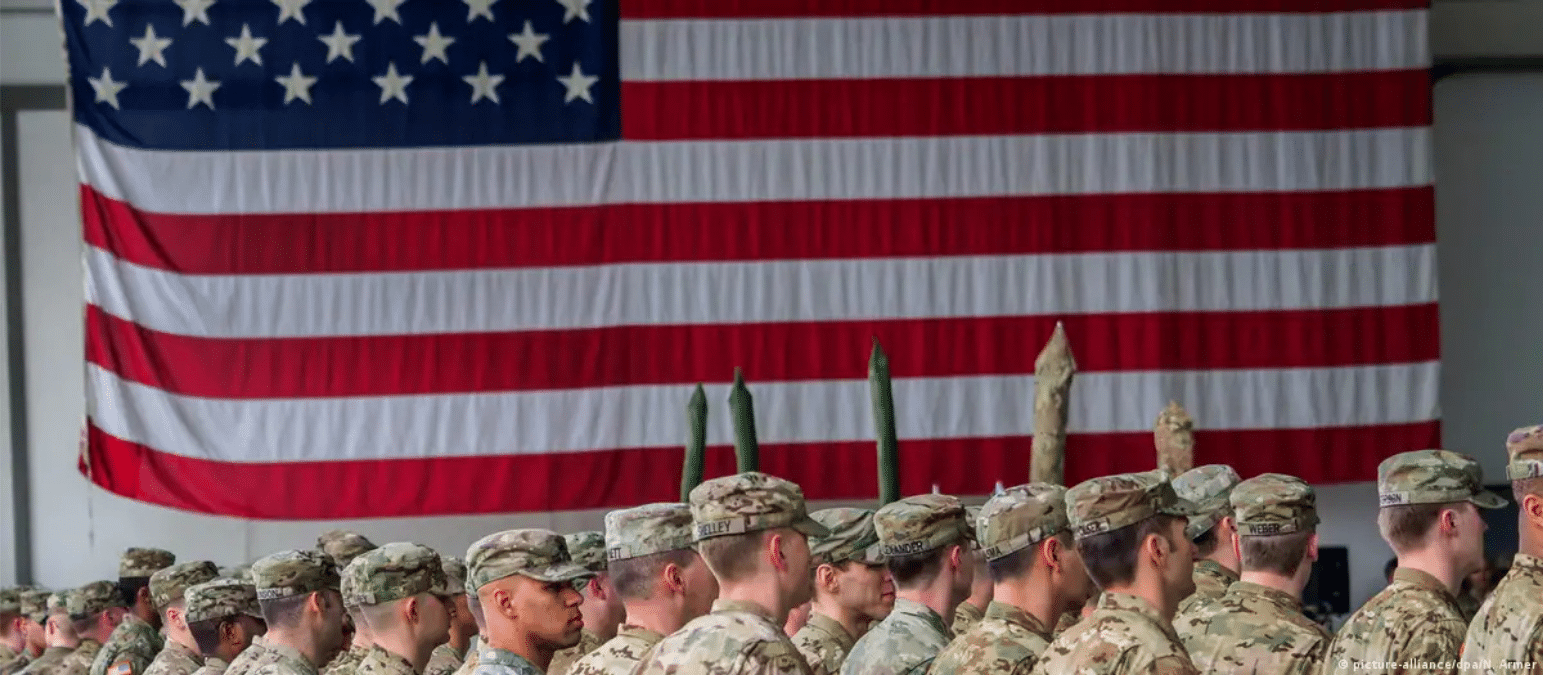
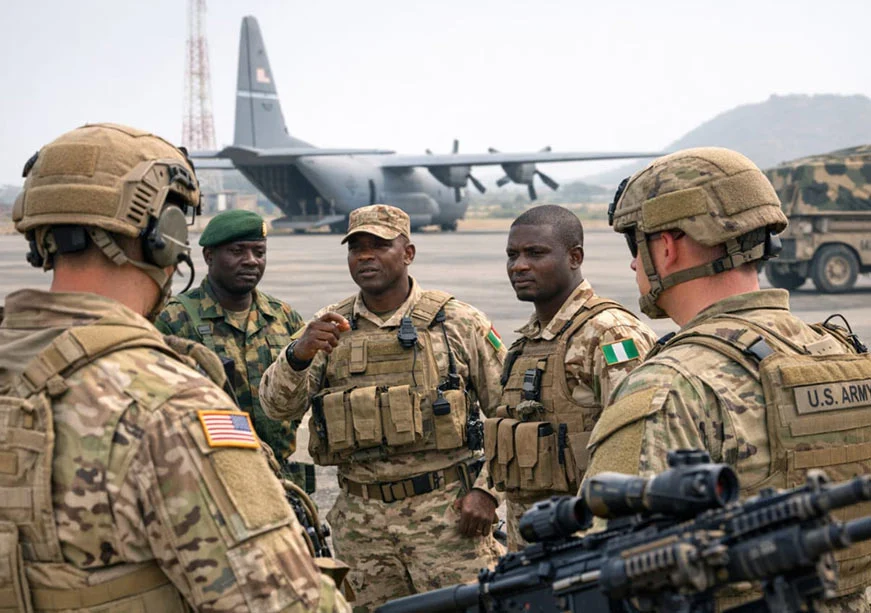
The United States’ main adversaries collaborate across the planet: China has made major economic and security investments in Africa and South America, the Ukrainians have found themselves fighting North Korean soldiers who have Iranian drones, and Russia has helped Tehran target U.S. forces. Washington therefore needs to maintain a global presence. American operations in Iran and continued support for Ukraine suggest that the White House recognizes that the United States is a global power with worldwide interests, despite its occasional statements to the contrary.
But to truly embrace its role as a global power, the United States needs to better collaborate with allies. Iran has made it particularly clear just how essential they are. American operations in the country would be nearly impossible without the help of Gulf Arab states, which are home to multiple U.S. bases, and Israel. NATO allies have helped Washington by providing basing, access, and overflight rights for American forces operating in the Middle East. Most poignantly, Ukraine is helping the United States learn how to defend against Iran’s drone bombardments.
Yet most U.S. allies have been underinvesting in their militaries for years, despite pleas by multiple American presidents to increase their spending. Over the last year-and-a-half, some allies have let domestic politics or their dislike for Trump overshadow their collective interest in weakening the Iranian regime and ensuring the free flow of oil through the Strait of Hormuz. They have, in turn, refused to help the United States with its campaign even though doing so would benefit them. In exchange, Washington should do a better job of getting its weapons into the hands of its partners so that they can successfully defend themselves.
The war in Iran—along with the capture of Maduro—has made plain what the U.S. military can and can’t accomplish right now, and what it must therefore do next. It has shown that Washington needs to get its allies to do more and that it needs to do more itself. This does not mean that the United States should emphasize quantity over quality; it will still pay dividends to be the most advanced military on the planet. But in an era of extended conflict, Washington and its allies need to be dominant in all domains and on all fronts. They must be ready to bring everything to bear everywhere, and all at once.