
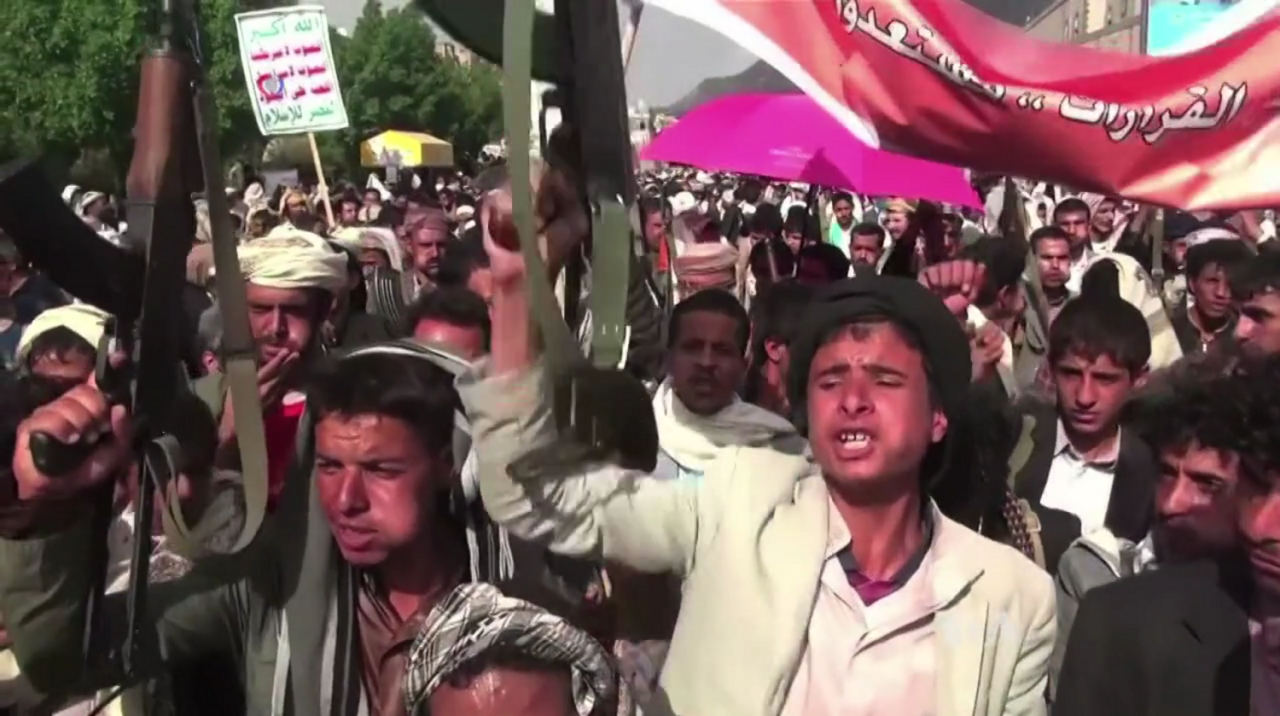
This strategic brief analyzes the emerging convergence between Yemen’s Houthis and Somalia’s al-Shabaab, illustrating how diminished Iranian proxy support forces autonomous militant networks to build cross-continental, transaction-based operational alliances.
The strategic reconfiguration of asymmetric threat networks in the Bab el-Mandeb Strait signals a profound shift in transregional militant ecosystems. As traditional state-backed proxy frameworks face unprecedented operational degradation, autonomous non-state actors are actively diversifying their alliances across ideological divides to sustain transactional logistics and maritime leverage. This emerging convergence between the Houthis and al-Shabaab demonstrates how localized militant groups adapt to geopolitical pressure by establishing self-sustaining, cross-continental networks that function independently of historical state sponsors.
Houthis Catalyze Cross-Border Militant Convergence
For years, the growing relationship between Yemen’s Houthis and Somalia’s al-Shabaab was treated as a secondary concern overshadowed by wars inGaza, Lebanon, and the Red Sea. But as Iran and its regional network come under mounting pressure, the alliance is emerging as a warning sign of something larger: militant groups across the Middle East and Horn of Africa may adapt if Tehran can no longer support its proxies in the way it once did.
Yemen’s Iran-backed Houthi rebels are deepening ties with al-Shabaab, Al Qaeda’s Somalia-based affiliate, in ways that could permanently destabilize the Horn of Africa and further imperil one of the world’s most important maritime chokepoints. But perhaps even more interestingly, the growing partnership could reflect a broader transformation within Iran’s so-called “Axis of Resistance.”
Shifting Alliances Center on Houthis Operational Reach
Recent reporting has painted an alarming picture. Sources told the United Nations Panel of Experts on Yemen that dozens of al-Shabaab fighters, including senior commanders, have traveled to Yemen and its Shabwah and Marib governorates and are facilitating weapons and narcotics smuggling networks from Yemen into Somalia. Houthi operatives may be present inside Somalia itself and are training al-Shabaab militants in drone warfare, explosives, and other asymmetric tactics they refined through years of training from Iranian and Hezbollah advisers.
The development comes at a pivotal moment for the Houthis. Iran’s network of allies and proxies has suffered successive setbacks since 2024. Hezbollah has been significantly degraded, the Assad government has been ousted from Syria, Iraqi militias face growing domestic and political constraints, and Hamas is all but decimated. At the same time, Tehran is facing mounting military and economic pressure from the United States and regional allies.
Asymmetric Capabilities Empowered by Houthis
The Houthis, however, have somehow emerged from this period emboldened. Despite sustained US, British, and Israeli strikes, the group has continued to demonstrate its ability to disrupt international shipping, strike Israeli territory, and position itself as a major player in Red Sea insecurity. Moreover, unlike many of their allies, their senior command and control remains intact.
For the Houthis, ties with Somali militant and smuggling networks provide opportunity and influence across the Gulf of Aden. Cooperation with al-Shabaab and associated criminal actors expands access to illicit maritime routes, intelligence networks, weapons trafficking corridors, and logistical infrastructure on the African side of the Bab el-Mandeb Strait. At a time when their primary backers are under intense international pressure, diversifying partnerships allows the Houthis to reduce dependence on Tehran while extending their operational reach deeper into the western Indian Ocean.
Houthis Expand Red Sea Disruption Tactics
And for al-Shabaab, a partnership with the Houthis means access to more advanced weapons systems, drone expertise, maritime capabilities, and expanded regional relevance. Already, the Houthis are believed to have transferred armed drones, and al-Shabaab has also reportedly requested one day to include guided missiles. And the associated maritime instability can also be profitable to al-Shabaab in terms of piracy and trafficking, as well as taxation of ports and extortion of merchants and shippers.
And the consequences of this relationship extend far beyond Yemen and Somalia alone.
This growing Houthi–al-Shabaab partnership threatens to make an already fragile global economy even more fragile. Houthi attacks beginning in late 2023 have already forced many major shipping companies to reroute around the Cape of Good Hope to avoid transiting the Red Sea. The decision means significant delays to global supply chains, fuel cost hikes, and soaring insurance premiums. The result is higher prices for consumers almost everywhere, but energy markets remain especially disruptive.
Autonomy Reshaping the Houthis Transnational Footprint
But the relationship is also emblematic of a wider shift in Iran’s relationship with the rebels.
Although the Houthis have long been treated as just another arm of Tehran’s regional network alongside Hezbollah, Hamas, and Iraqi militias, the truth is a little more complicated. Despite Iran’s weapons transfers, training, and intelligence support, the Houthis maintain their own Shia Zaydi ideology and have often pursued priorities that reflected local Yemeni interests rather than Tehran’s broader regional agenda.
As Iran’s regional network has weakened, the Houthis have seized the opportunity to assert themselves as an independent entity. Its outreach to actors like Russia, China, Al Qaeda affiliates like al-Shabaab and Al Qaeda in the Arabian Peninsula (AQAP), and even Somali pirates reflects an effort to diversify relationships, reduce dependence on Tehran, and build influence far beyond Yemen’s borders.
The Houthi-al-Shabaab alliance may be an early sign of how Iran’s proxy network may evolve under pressure.
As Iran continues to face military, economic, and domestic strain, some of its partners—especially those recovering from the loss of leadership and weapons caches—may be forced to seek alternative sources of funding, weapons, and regional influence rather than relying solely on Tehran. To this end, these groups may begin to exhibit more pragmatic strategies and work outside of traditional ideological lines, much like the Houthis.
That’s an outcome that should concern policymakers far more than the traditional proxy model ever did. Prolonged pressure on Iran and its regional network could mean more fragmented, autonomous, and unpredictable militant ecosystems across the Middle East.