
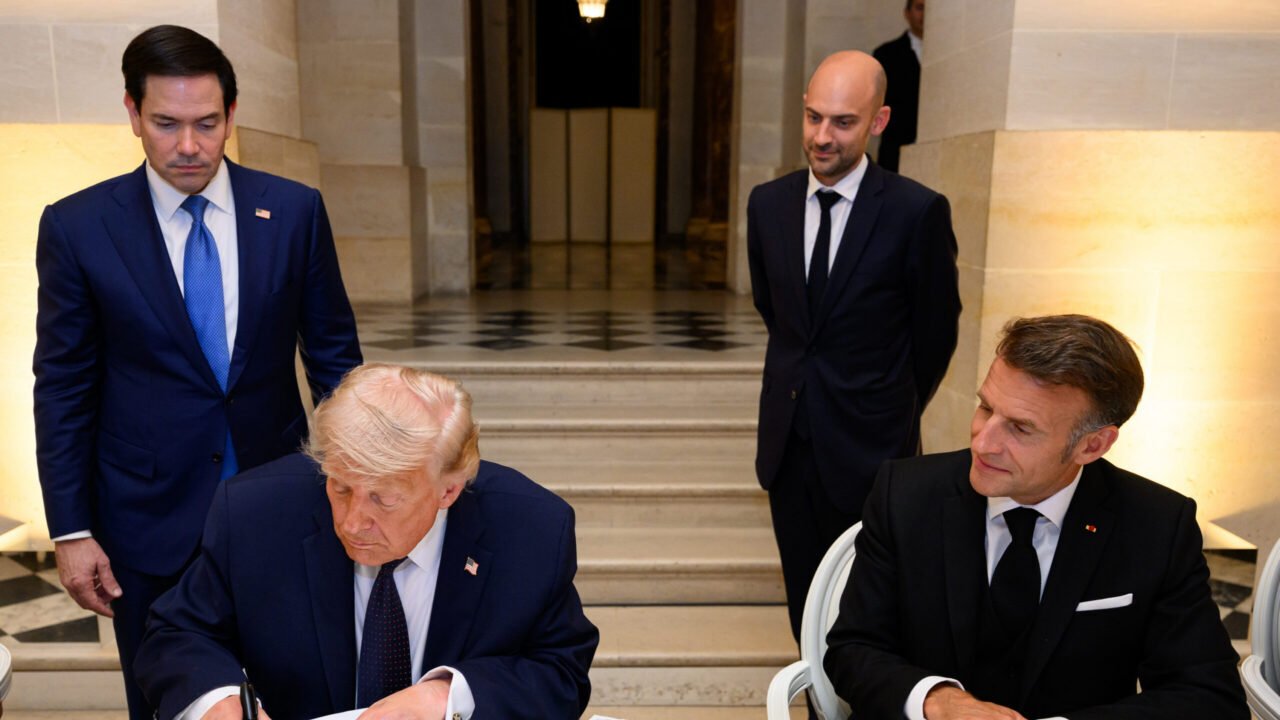
A rigorous geopolitical evaluation of the US-Iran memorandum of understanding, analyzing whether the framework delivers a substantive victory for American strategy or mirrors the core compromises of the 2015 JCPOA accord amid ongoing Middle Eastern tension.
The signing of the US-Iran memorandum of understanding marks one of the most consequential diplomatic developments in the Middle East since the 2015 nuclear agreement. Coming after months of military confrontation, large-scale devastation, economic disruption, and the closure of the Strait of Hormuz, the agreement has been hailed by Washington as a diplomatic breakthrough and by Tehran as proof that Iran has once again survived intense external pressure. The reality lies somewhere between these competing narratives.
The memorandum is not a final peace agreement. Rather, it is an interim framework designed to halt hostilities and create a 60-day window that can be stretched indefinitely during which negotiators will attempt to reach a comprehensive settlement addressing Iran’s nuclear program, sanctions, regional security, and economic normalization. Yet even in its preliminary form, the agreement reveals much about the balance of power that emerged from the confrontation and raises a larger question: has Donald Trump achieved anything more than Barack Obama achieved through the 2015 nuclear accord?
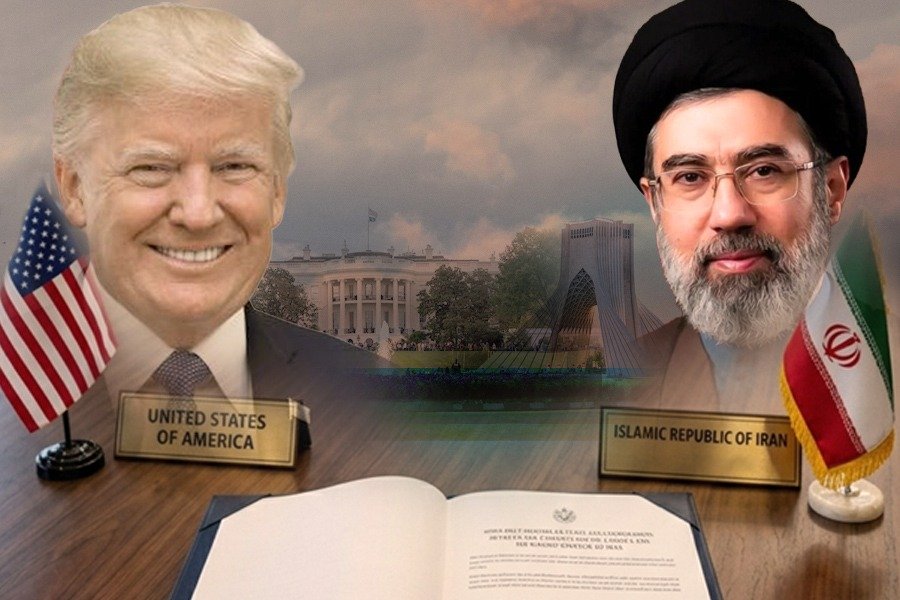
US-Iran Memorandum Strategic Breakthrough Analysis
The immediate American achievements are undeniable. The memorandum secures the reopening of the Strait of Hormuz, whose closure threatened nearly one-fifth of global oil shipments and sent shockwaves through energy markets. Restoring freedom of navigation through the Gulf removes a major source of economic uncertainty and allows the Trump administration to claim that it has protected a vital international interest. However, it should be noted that this closure was of America’s own making. Had the United States and Israel not attacked Iran, the latter would not have closed the strait.
The agreement also extracts important nuclear commitments from Tehran. Iran has reaffirmed that it will neither seek nor acquire nuclear weapons and has agreed to address its stockpile of enriched uranium under international supervision during the next phase of negotiations. Pending a final settlement, Iran is expected to freeze further expansion of its nuclear activities. Washington can therefore argue that a combination of military pressure and diplomacy succeeded in bringing Iran back to the negotiating table and in securing commitments that seemed out of reach only months ago.
Deciphering Complex US-Iran Memorandum Dynamics
However, it would be misleading to portray the memorandum as an unequivocal American victory. The most striking feature of the agreement is not what Iran has conceded but what it has not. Tehran has not accepted the dismantlement of its nuclear infrastructure. It has not agreed to surrender enrichment capabilities. It has not accepted limits on its ballistic missile program. Nor has it agreed to abandon its regional proxy networks. Instead, these issues have been postponed to future negotiations. In fact, the memo has tied the cessation of hostilities in Lebanon to the wider issue of peace between Iran and the United States, thus providing a lifeline for Hezbollah, Iran’s primary regional ally.
Iran can therefore credibly claim that it has emerged from the confrontation with its core strategic assets intact. Despite military strikes and economic pressure, the Iranian regime remains in power. Most importantly, Tehran appears poised to receive sanctions relief and expanded oil-export opportunities in exchange for future commitments rather than immediate capitulation.
For decades, American and Israeli policy toward Iran has often rested on the assumption that sustained pressure would eventually force Tehran either to surrender its strategic ambitions or face systemic collapse. The memorandum suggests otherwise. Iran entered negotiations after months of military devastation and economic strain. Yet, it negotiated from a position strong enough to preserve most of its principal bargaining chips for the next phase of talks. The memorandum, therefore, reflects a mutual recognition that neither side could achieve its maximal objectives through continued conflict.
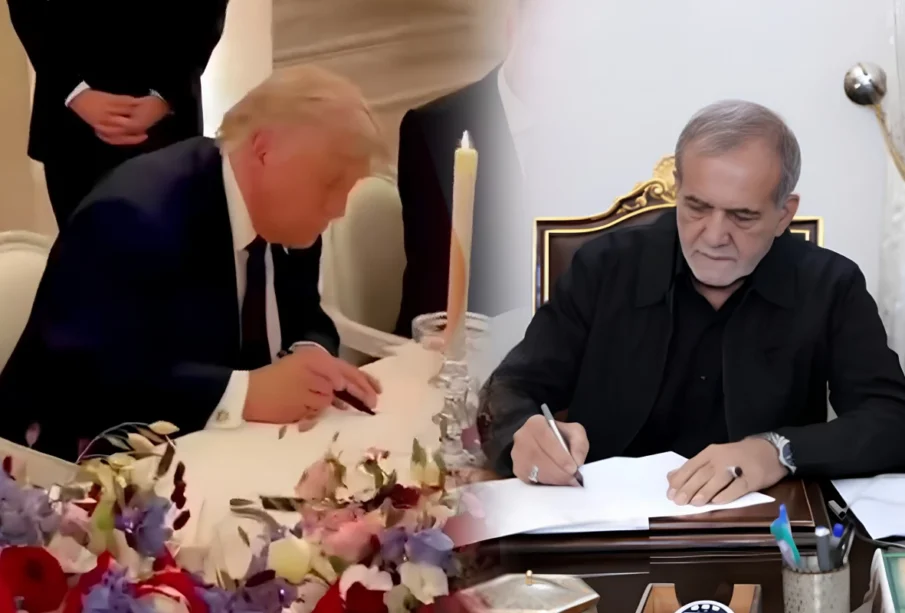
Geopolitical Fallout Involving US-Iran Memorandum
The implications for Israel are particularly negative. Israel’s principal objective has long been the complete elimination of Iran’s ability to acquire nuclear weapons. The Netanyahu government has argued that Iran should be denied any enrichment capability whatsoever and that its missile capability should be restricted. Measured against that standard, the memorandum falls very short. Iran retains much of its nuclear infrastructure, and the crucial questions concerning enrichment, uranium stockpiles, and verification remain unresolved. Most importantly, the memo demonstrates the wide gap between American and Israeli objectives toward Iran and Trump’s penchant to abandon Israeli interests to secure America’s immediate goals.
Indeed, if the subsequent negotiations culminate in a settlement that permits limited Iranian enrichment under international supervision, Israel may find itself confronting a reality not entirely different from the one created by the 2015 nuclear agreement that it fervently opposed.
This brings us to the unavoidable comparison with the Obama administration’s Joint Comprehensive Plan of Action (JCPOA). Ultimately, the success or failure of Trump’s diplomacy will be judged against that benchmark.
The JCPOA placed verifiable limits on Iran’s nuclear activities, sharply reduced its stockpile of enriched uranium, subjected Iranian facilities to intrusive inspections, and extended the time Iran would need to produce a nuclear weapon. Critics, led by Donald Trump and Benjamin Netanyahu, argued that the agreement’s fatal flaw was that it left Iran’s enrichment capability intact, imposed sunset clauses, and failed to address Tehran’s missile program and regional proxies.
US-Iran Memorandum Policy Implementation Differences
The new memorandum has not, thus far, addressed any of those problems. This raises an uncomfortable question for the Trump administration: What exactly has it achieved that Obama did not? Trump can point to important differences. The memorandum follows a period of military confrontation that imposed substantial costs on Iran, destroyed a great deal of its military infrastructure, including nuclear and missile facilities, and demonstrated American willingness to use force. However, these distinctions are procedural rather than substantive. If the final agreement merely freezes enrichment, regulates uranium stockpiles, restores inspections, and grants sanctions relief, then the United States will have arrived at a destination remarkably similar to that reached by Obama more than a decade ago.
In that case, history may conclude that Trump did not transcend the logic of the JCPOA but rediscovered it. The lesson would be that military pressure can bring adversaries to the negotiating table, but durable nuclear arrangements still require compromise and reciprocal concessions.
To surpass Obama, Trump would need to secure concessions that the JCPOA never secured. These would include the near-elimination of Iran’s enrichment capability, permanent restrictions rather than time-limited constraints, and meaningful limitations on missile development and dismantling of regional proxy networks. Nothing publicly disclosed thus far suggests that Tehran is prepared to make such concessions or will do so in the subsequent negotiations.
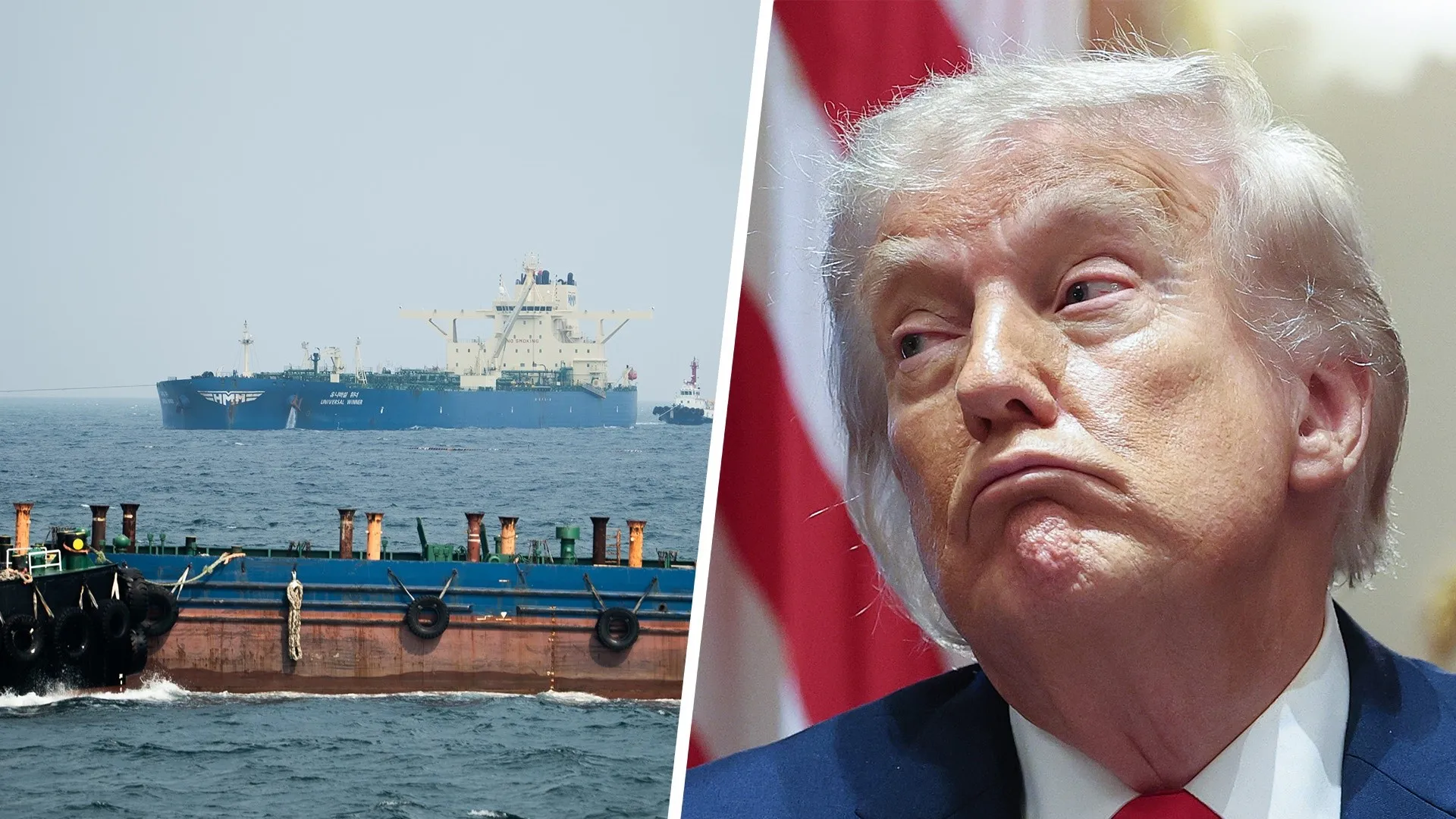
Assessing Future US-Iran Memorandum Outcomes
Indeed, the memorandum may reveal precisely the opposite. After abandoning the JCPOA, pursuing a policy of “maximum pressure,” and engaging in military confrontation, Washington may ultimately find itself negotiating a revised version of the very bargain it rejected in 2018. At this stage, the memorandum represents neither an American triumph nor an Iranian surrender. It is best understood as a negotiated acknowledgment of strategic stalemate. The decisive question is whether the next 60 days produce an agreement that goes beyond the JCPOA.
If they do, Trump may legitimately claim to have achieved what Obama could not. If they do not, the final verdict may be far less flattering. Trump may have demonstrated not the superiority of coercion over diplomacy, but the enduring validity of the very bargain he once condemned. The United States would have returned, after years of pressure and months of confrontation, to a familiar conclusion: that Iran’s nuclear ambitions can be constrained, but not eliminated, through negotiation. And Iran’s greatest achievement would not have been military success, but the demonstration that resilience itself can be a source of strategic power.