
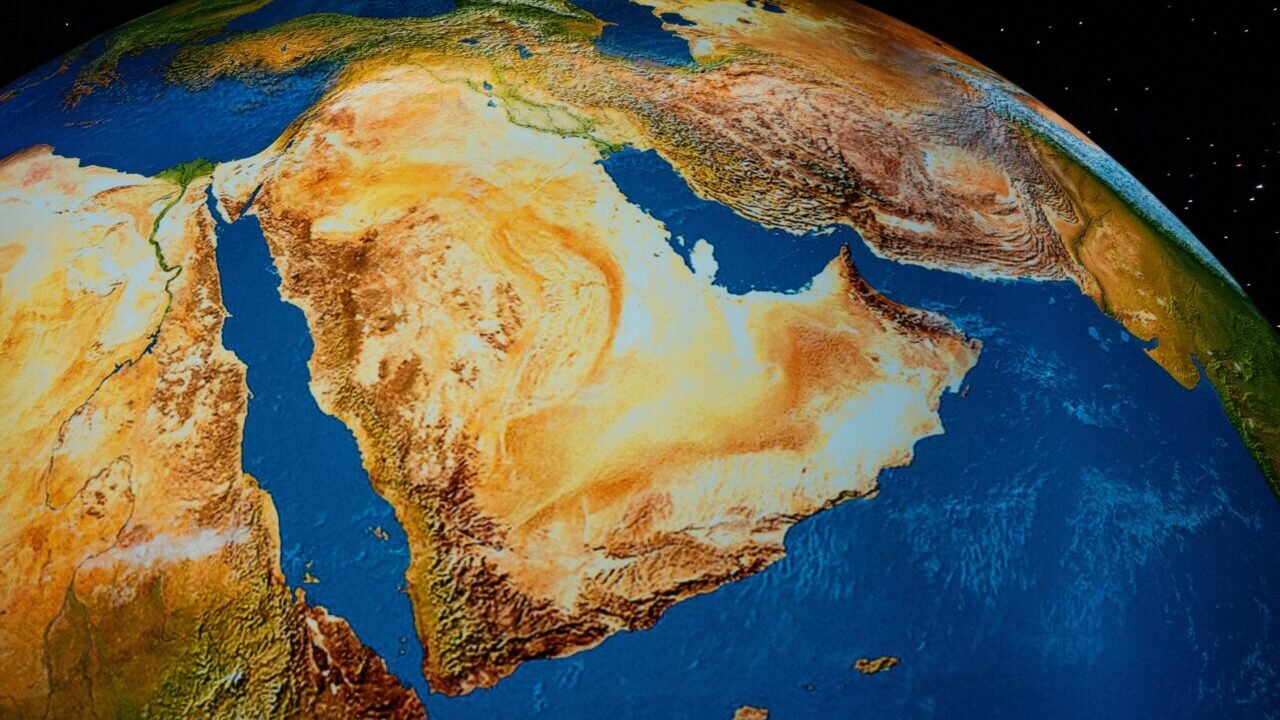
A profound breakdown of Middle Eastern maritime friction, exploring how simultaneous disruptions in the Strait of Hormuz and Bab el-Mandeb paralyze global supply networks, expose US overextension, and reveal systemic logistical vulnerabilities within Saudi infrastructure.
The sudden freezing of Washington’s naval escort operations highlights the acute vulnerability of global supply lines to a Double Chokepoint Trap. This modern maritime conflict demonstrates that achieving secure commercial transit requires managing multiple interconnected waterways simultaneously, as any unilateral blockade instantly triggers a systemic Double Chokepoint Trap across neighboring corridors.
Double Chokepoint Trap Disrupts Global Trade
Project Freedom, the US effort to escort commercial vessels through the Strait of Hormuz, which began on May 5, was abruptly paused shortly after its announcement, with President Donald Trump citing “significant progress toward a potential agreement with Iran.” However, the pause of this initiative—which had originally resulted in Iranian attacks on ports and coastal infrastructure in the United Arab Emirates—does not mark the end of the US blockade on Iranian ports.
Therefore, it also does not end the significant strain that the war in Iran has placed on the global economy. As the Iran War has proven, war is no longer confined to the battlefield. Economic coercion has become a central instrument in warfare, and the Strait of Hormuz is not the only chokepoint in the region.
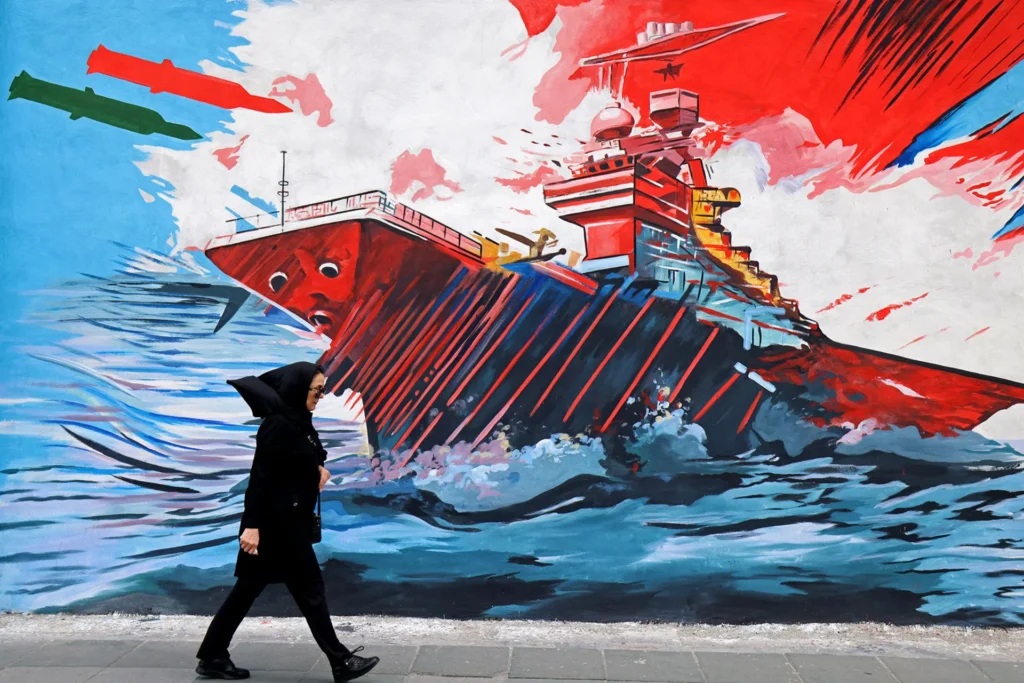
Regional Trade Faces Double Chokepoint Trap Pressures
The lesser-discussed Bab el-Mandeb Strait presents another critical maritime passage connecting the Gulf of Aden, the Red Sea, and the Indian Ocean, located between Yemen on the Arabian Peninsula and Djibouti and Eritrea in the Horn of Africa. Should the Houthis decide to close off that route as well, global shipping would be forced to reroute around the Cape of Good Hope, adding thousands of miles, weeks of transit time, and billions of dollars in additional costs. In other words, there is a potential double chokepoint crisis that could further shock global commerce. This issue could become especially acute should the war resume.
Energy Arteries Locked Inside Double Chokepoint Trap
Iran’s effective closure of the Strait of Hormuz, through which 20 percent of the world’s oil and gas is shipped in peacetime, combined with threats to Bab al-Mandeb, could block a quarter of the world’s energy supply. Bab al-Mandeb is not merely an energy corridor; it is one of the central arteries of global commerce and the southern gateway to the Suez Canal.
Any sustained disruption there would reverberate far beyond oil markets, intensifying shipping delays, raising transportation costs, and deepening economic instability across multiple sectors of the global economy. What led to this vulnerability is multicausal, but US strategic overextension in the region has certainly contributed to the problem. Washington’s longstanding claim that large and permanent troop deployments in the Middle East safeguard commerce is quickly losing credibility.
Double Chokepoint Trap Empowers Local Militants
While the Houthis are part of Iran’s Axis of Resistance and coordinate attacks in solidarity, they have demonstrated independent decision-making and their own incentives for controlling the strait. Their capacity to selectively permit or restrict passage based on political alignment demonstrates how power in the Bab el-Mandeb is increasingly exercised through coercive leverage. Yet their decision not to impose a total blockade, even amid the effective closure of Hormuz, suggests a calculated strategy: preserving the strait as a point of leverage. By calibrating disruption rather than fully halting transit, the Houthis can steadily raise the economic and political costs on US-aligned shipping while avoiding escalation into open confrontation.
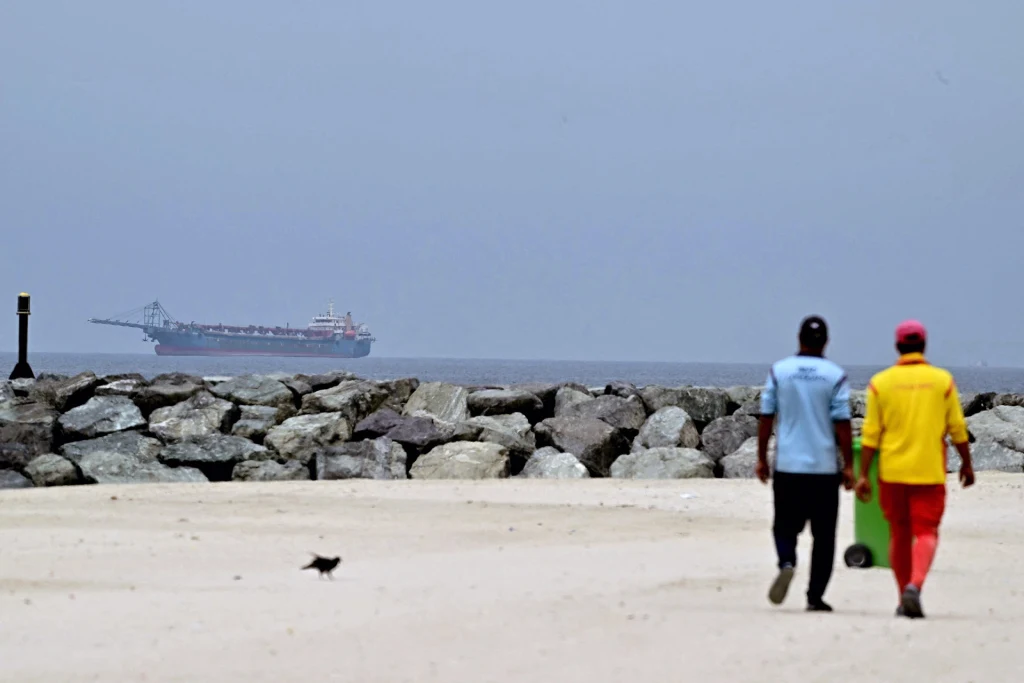
Escalating Risks Tighten Double Chokepoint Trap Realities
Even defeating Iran would not automatically solve the Bab el-Mandeb problem. Any US policy framework that treats the Houthis as a one-dimensional proxy of Tehran’s and therefore pliable through a deal with Iran is incomplete. While the immediate goal is certainly to reopen the flow of commerce, a longer-term consideration should be to reduce the probability that either strait will be weaponized again.
Whether the United States or Gulf partners in the region meaningfully address this issue remains to be seen. However, this war has exposed the extraordinary fragility of America’s most important Gulf partner: Saudi Arabia. Bab el-Mandeb has become a critical passageway for Saudi crude rerouted from the Persian Gulf precisely because the Strait of Hormuz is closed. While Saudi Aramco reported a profit of $32.5 billion for the quarter ending in March—a positive development for the kingdom—Riyadh lacks the pipeline and west coast port infrastructure necessary to efficiently absorb a large-scale diversion of exports away from the Gulf.
If Bab el-Mandeb is also compromised, Saudi oil shipments would face severe logistical bottlenecks, forcing crude to be rerouted eastward through the Suez Canal and the Mediterranean, dramatically increasing transit times, shipping costs, and economic vulnerability. The International Energy Agency has already described the disruption in Hormuz as an unprecedented shock to global energy markets, and a simultaneous crisis at both chokepoints would threaten the broader global economy.
With the Houthis more entrenched and Saudi Arabia increasingly vulnerable, the United States faces a far more difficult task sustaining the regional order than it did at the outset of the war. Under these conditions, all parties have an interest in reaching some form of modus vivendi in the Strait of Hormuz—even if the resulting arrangement falls short of Washington’s preferred outcome of a return to the pre-war status quo.