
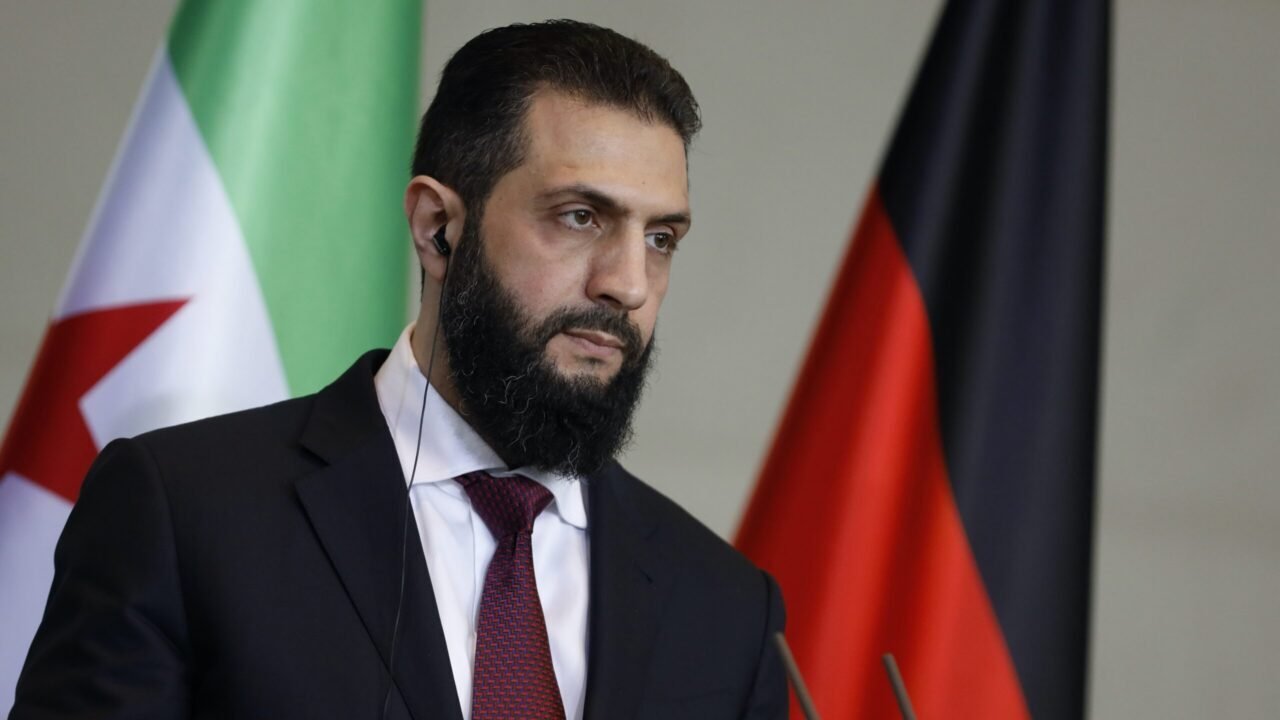
A high-level strategic brief analyzing how the newly established Syrian administration under Ahmed al-Sharaa can serve as a parallel containment mechanism alongside Israel to successfully interdict, disrupt, and permanently dismantle Hezbollah’s logistics.
The geopolitical realignments unfolding across the Levant present a transient window to permanently disrupt regional proxy capabilities, provided Washington enforces a synchronized, dual-track containment strategy. Disarming Hezbollah requires looking beyond the dysfunctional Lebanese state apparatus and neutralizing its vital strategic depth in Syria. If the financial and logistical pipelines traversing Syrian territory remain unaddressed, any enforcement mechanism inside Beirut will inherently fracture under the weight of systemic smuggling.
Syria Can Help Neutralize Regional Proxies
American and Israeli officials are pressing Lebanon to do what was once thought impossible: dismantle Hezbollah’s arsenal and restore the state’s monopoly on force. While a brief and narrow opportunity exists for Beirut to dismantle Hezbollah, this endeavor will be doomed to failure if the group can continue rearming through Syria.
The tentative US-Iran memorandum of understanding announced Sunday, which Iran is framing to include a halt to the fighting in Lebanon, makes Hezbollah’s disarmament both more urgent and more complicated. The deal may reduce the immediate fighting, but it does not solve the strategic problem of Hezbollah’s survival and its ability to rearm and rebuild through relying on Syria. For years, Syria served as Hezbollah’s logistical and strategic depth. Rockets and ammunition flowed from Iran across Syrian territory into Hezbollah-dominated areas of Lebanon. These channels were constricted by the downfall of Bashar al-Assad’s regime but nevertheless outlasted him.

Disrupting Financial Networks Syria Can Support
An Iraqi official in September 2025 said Hezbollah still relies on smuggling networks capable of moving shipments all the way to Damascus—the latest in a series of reports indicating the group was still using networks stitched together from Assad regime remnants and veteran traffickers to move weapons and funds. Hezbollah uses Syria for much more than smuggling. The new authorities in Damascus are no allies of Hezbollah. But they are new to power, their meager resources are divided between territorial consolidation and ethno-sectarian clashes, and their priority has been economic recovery rather than dismantling wartime business networks.
These factors have allowed Hezbollah to preserve the financial and commercial networks it built during the Assad era long after its overt military presence ended. Front companies and Assad-era businessmen who once moved Iranian oil money across the region and helped sustain parts of Hezbollah’s infrastructure. Some of these networks remain embedded in Syria’s formal economy, operating through import-export firms and cross-border commerce.
Confronting the Networks in Syria
But, despite the shortcomings in their abilities, Syria’s new authorities have no interest in Hezbollah remaining entrenched on Syrian soil or using Syrian territory to regenerate. The group, after all, fought against them during Syria’s civil war, devastating the country and drowning it in blood, all to keep Bashar al-Assad in power. Therefore, Damascus—in contrast to Beirut—has consistently demonstrated their willingness to confront Hezbollah. President Ahmed al-Sharaa has publicly endorsed efforts to disarm Hezbollah. He declared that Syria “stands alongside Lebanon in disarming Hezbollah.”
Even Israeli officials, skeptical of al-Sharaa, have nevertheless given Syria “very high marks” for disrupting Hezbollah’s smuggling routes. With good reason—since al-Sharaa took power, Syrian authorities have repeatedly intercepted rockets and weapons shipments reportedly bound for Hezbollah. In April alone, Syrian forces disrupted a Hezbollah-linked sabotage plot intended to attack Israel. But while these seizures matter, Damascus simply cannot currently carry them out at the frequency or scale necessary to sufficiently impede Hezbollah’s recovery. But with Israeli assistance and American oversight, this good-faith but piecemeal effort can be transformed into a comprehensive and effective strategy.
Syria Can Leverage Strategic Partnerships
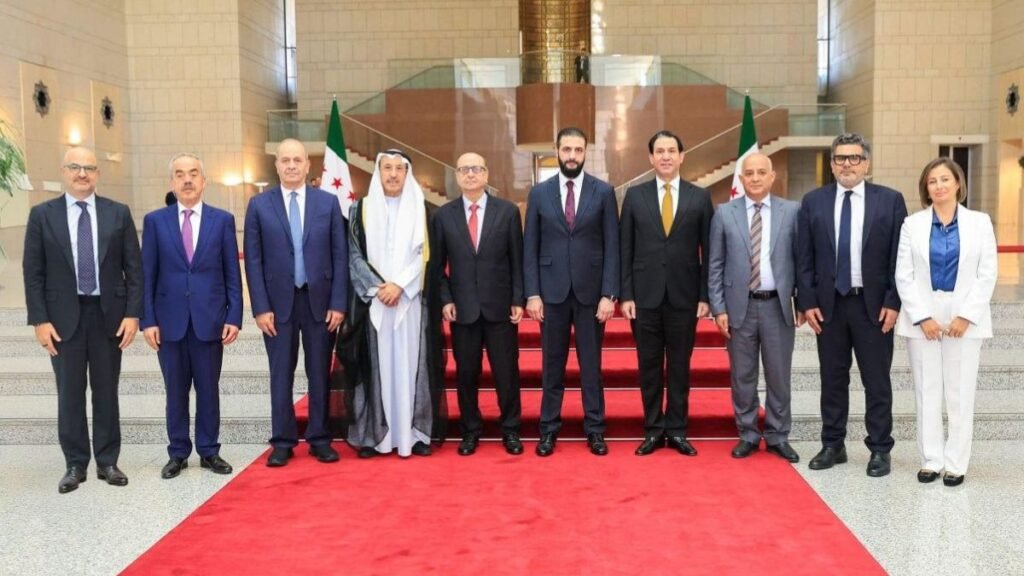
Over the past year, Washington established channels to manage tensions between Israel and Syria. The effort created the first-ever opening for practical cooperation between Damascus and Jerusalem. But those efforts have stalled, as distrust between the two countries runs deep. Jerusalem remains wary of Sharaa’s militant past and future intentions, the presence of foreign jihadist fighters in Syria, and the growing influence in Damascus of an increasingly hostile Turkey. Syria, meanwhile, has watched Israel launch repeated strikes and ground incursions across its territory and support separatist Druze factions, which Damascus claims are seeking to dismember the country.
Here, the United States—and the Trump administration specifically—is ideally positioned to mediate these suspicions and tensions. President Donald Trump and Special Envoy Tom Barrack have amassed considerable goodwill with their Syrian counterparts over the past year, with Trump and al-Sharaa establishing an amicable personal relationship before the United States lifted sanctions last year. Also, much like the Israelis, Washington has also praised Syria’s new authorities for their efforts against Hezbollah. Damascus, meanwhile, is strongly signaling it wants to move closer to the American global orbit.
Parallel Security Channels Syria Can Utilize
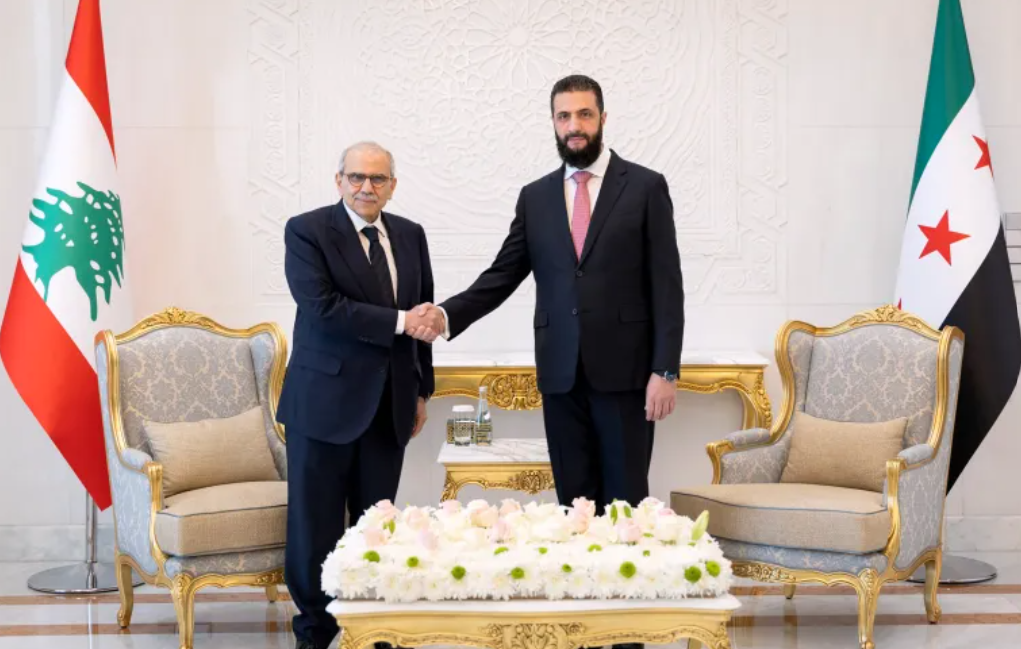
Washington has room to establish an Israeli-Syrian Hezbollah disarmament track parallel to the one it is sponsoring between Israel and Lebanon—one that complements and reinforces it. To help crack down on Hezbollah’s residual financial and weapons smuggling networks, the United States can encourage a limited security agreement between Damascus and Jerusalem.
This can begin with mutual intelligence-sharing between the Israelis and Syrians on weapons transfers, facilitators, and smuggling routes and attempts, including before these transfers cross the border from Iraq into Syria. As these joint interdiction efforts build trust, Israel and Syria can begin moving toward military coordination against Hezbollah’s regeneration efforts traversing Syrian territory—helping Damascus move from reactive seizures to a proactive effort to shut down the group’s smuggling and financial networks.
Washington is heavily invested in the success of US-sponsored negotiations between Israel and Lebanon. But, since Hezbollah remains too socially and militarily powerful in Lebanon, it is far from a foregone conclusion that Beirut will properly clamp down on the group, let alone disarm it. But creating this parallel Syrian-Israeli track will give all parties a fail-safe to prevent Hezbollah from regaining its former strength and maintaining its current weakness as a baseline to continue degrading the group.
Cooperation between Jerusalem and Damascus against this mutual foe can also have positive unintended consequences. While immediate Syrian-Israeli peace does not seem achievable due to outstanding territorial disputes and mutual suspicion, cooperation on this narrower goal could help build goodwill and trust. Over time, this can lay the foundation for future flexibility on more difficult issues—such as the fate of theGolan Heights. But in the meantime, all sides will benefit from impeding Hezbollah’s ability to rebuild without relying exclusively on a still-fickle Lebanon.