
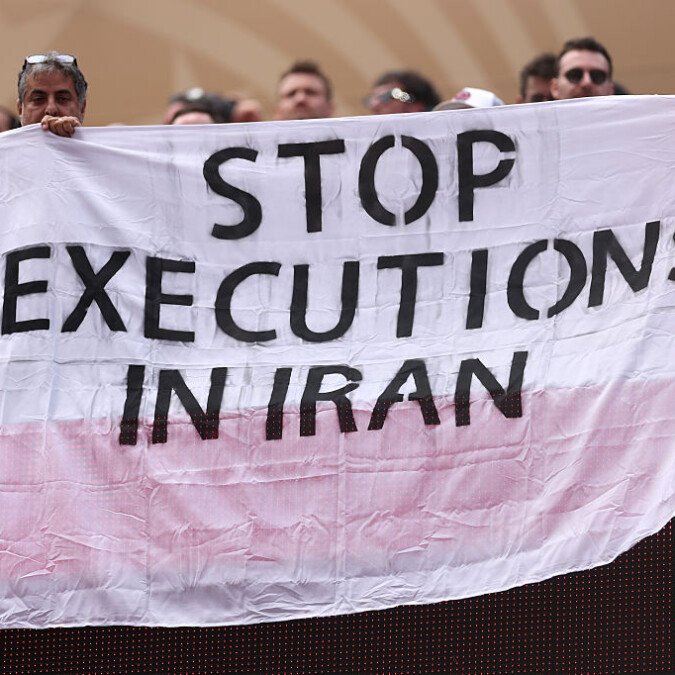
This analysis exposes how the U.S.-Iran negotiations empower the Islamic Republic’s internal repression, diverting relief from the Iranian people while executions and crackdowns surge under the cover of wartime legislation and diplomatic concessions .
The strategic paradox of the U.S.-Iran negotiations lies in their reinforcement of the same repressive apparatus that Tehran weaponizes against its own populace. Granting economic relief while the Islamic Republic intensifies executions does not secure lasting peace but rather funds the machinery of internal control, making the Deal With Tehran a catastrophic miscalculation. The Deal With Tehran effectively sidelines the only credible force for regime change: the millions of Iranians who view external conflict as their path to liberation.
Deal With Tehran intensifies internal purge
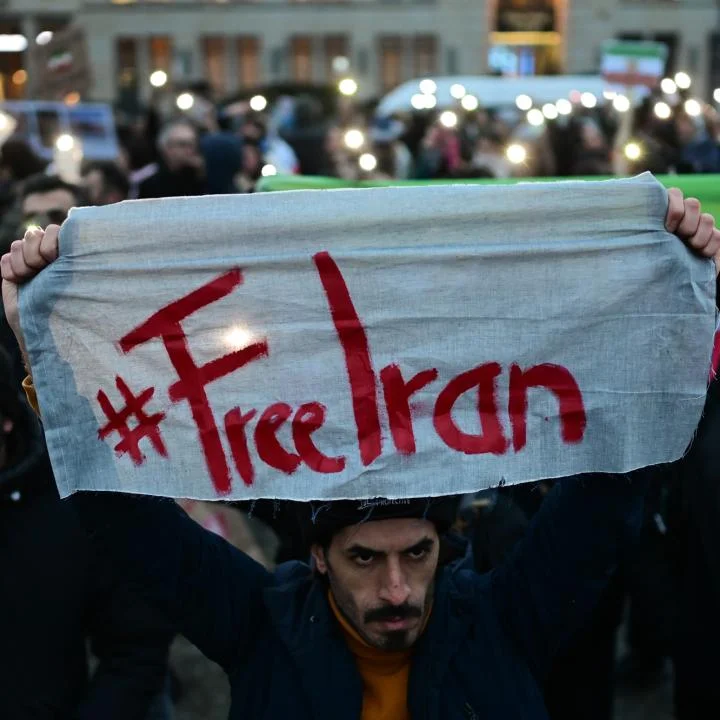
Iran’s judiciary announced on June 22 that authorities had arrested more than 3,000 people since the start of the conflict on charges of collaborating with Israel. Other estimates have put the figure as high as 6,000. Nearly 800 of those arrests were carried out after the April ceasefire under a newly enacted law that broadens collaboration with “hostile states” to include providing internet access and posting content online, while authorizing harsher wartime sentences.
With the naval blockade lifted and the U.S. administration’s maximum pressure campaign easing, the regime is turning its attention to the last threat it faces: the millions of Iranians who want it gone and who viewed the war as a step toward that outcome. An Islamic Republic that survives two military campaigns in the space of a year and receives the resources needed to weather domestic unrest has little reason to offer concessions.
The regime and its Deal With Tehran
Executions and Crackdowns Surge
The regime executed at least 1,639 people in 2025, with some estimates reaching 2,159, including nearly 60 on political grounds. In 2026 alone, the Islamic Republic has executed more than 45 political prisoners on security charges, including public hangings held during the Persian New Year in March. That tally excludes the nearly 40,000 unarmed protesters killed during the January uprising.
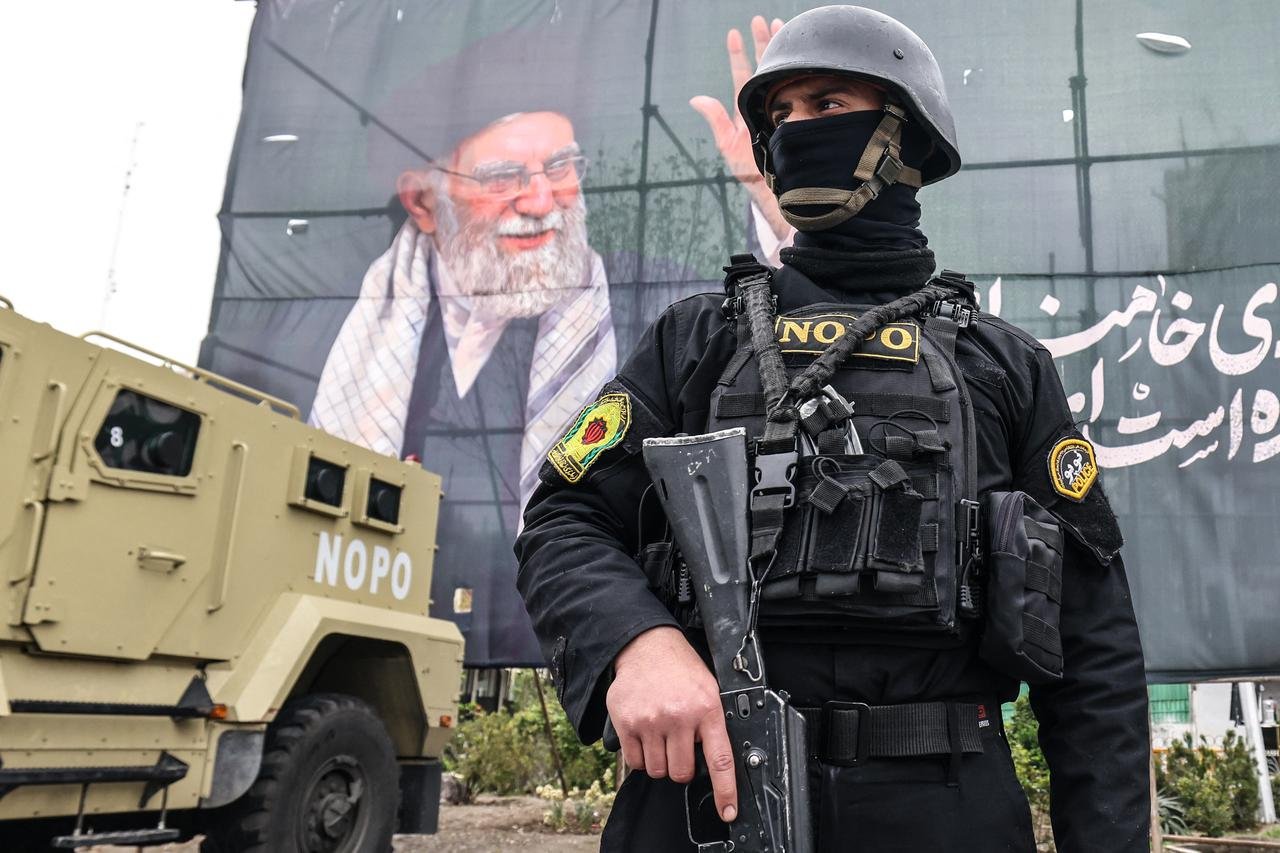
Following the ceasefire and under a total internet blackout, authorities deployed terror proxies from Iraq, Afghanistan, Pakistan, and Lebanon across Iranian cities to help regime forces man over 1,000 checkpoints. These operatives killed ordinary Iranians in at least two cities. As the prospect of a deal grew in late May, residents across Iran reported that morality police and plainclothes agent patrols had intensified arrests over mandatory head-covering laws, closed businesses over such violations, and increased phone inspections.
War justifies repression under Deal With Tehran
Tehran Invokes War To Justify Repression
During the Iran-Iraq War, neighborhood-based revolutionary committees established checkpoints, raided homes, and detained suspected dissidents, while thousands were imprisoned and executed on charges ranging from espionage to ideological deviation.
Authorities arrested some 21,000 people across Iran during and following the war with Israel and the U.S. last June, carried out under a near-total internet blackout that cut off communication nationwide. In the weeks that followed, the judiciary called for expedited handling of security cases tied to charges like moharebeh (“waging war against God”), a crime punishable by death.
Deal With Tehran degrades domestic leverage
Israeli Strikes Degraded Iran’s Repression Apparatus
Going beyond the regime’s military sites, Israeli attacks eliminated senior figures responsible for internal security, including leaders of the Islamic Revolutionary Guard Corps, its affiliated Basij paramilitary organization, and law enforcement. The strikes struck their bases across Iran, in addition to hyperlocal strikes on mobile checkpoints in major cities. These were accompanied by a messaging campaign to the people of Iran that their freedom was within reach, and in return ordinary Iranians publicized intelligence on the whereabouts of local repression units.
Don’t let Deal With Tehran alienate people
Don’t Alienate the Last Leverage
The sanctions waiver issued by Washington as part of the recent Memorandum of Understanding enables the Islamic Revolutionary Guard Corps to sell oil and receive payment directly, financing the very institution that oversees repression. The agreement contains no mention of the Iranian people.
Incentivizing the regime to comply with a deal from which it already benefits should not come at the cost of alienating the Iranian people, the only existential threat to the Islamic Republic. A parallel diplomatic campaign can still speak directly to Iranians, as it did during the early stages of the war, ensuring that Washington does not sideline its strongest leverage against the regime.
Doing so means preventing Iranians from once again being isolated when the regime shuts down the internet during the next inevitable period of war or internal unrest. Washington should establish a federal interagency working group to develop shutdown-resilient connectivity, including satellite internet, direct-to-cell technologies, and capabilities to counter the regime’s jamming efforts.