
The three-year campaign against Iran failed to achieve regime change but succeeded in dismantling proxies, destroying military infrastructure, and creating diplomatic leverage for permanent nuclear constraints, positioning the U.S. for strategic containment.
While Washington fixates on unmet maximalist objectives, a strategic audit reveals that Iran didn’t win the war—it merely survived. The cumulative three-year campaign has dismantled Tehran’s proxy empire, decimated its military infrastructure, and positioned the United States with unprecedented leverage to permanently constrain the regime. Yet Iran didn’t win the war precisely because its sole “victory”—closing the Strait of Hormuz—is a self-defeating economic weapon that accelerates global energy diversification against its own interests.
Iran Didn’t Win the War: The Big Picture
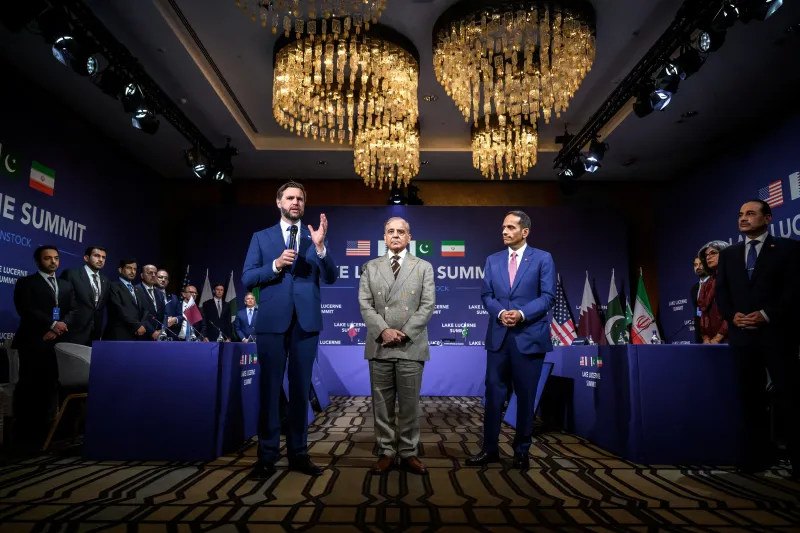
Much of Washington has greeted the Iran cease-fire deal with scorn. After more than three months of war, the United States and Israel failed to achieve many of their objectives, which included overthrowing the regime in Tehran and ending a potential Iranian nuclear threat.
But when viewed from a broader perspective, the outcome looks different. The almost three-year-long regional conflict that started with Hamas’s attack on Israel in October 2023 and culminated in Operation Epic Fury this spring has put the United States and its partners in a far stronger position in the Middle East and left Iran much weaker.
Iran’s proxy network of militant groups is largely in ruins; Syrian President Bashar al-Assad, one of Iran’s key partners, is gone; Tehran has been mostly ignored by its supposed allies in Beijing and Moscow; and Iran’s conventional forces, and much of its defense and nuclear industrial base, have been decimated. Iran’s sole victory from the latest round of conflict has come from its ability to close the Strait of Hormuz and cause economic damage across the world. But closing the strait also harms Iran itself, and the impact of a closure is likely to weaken over time as countries seek alternative suppliers, substitutes for oil, and new shipping routes to avoid the strait.
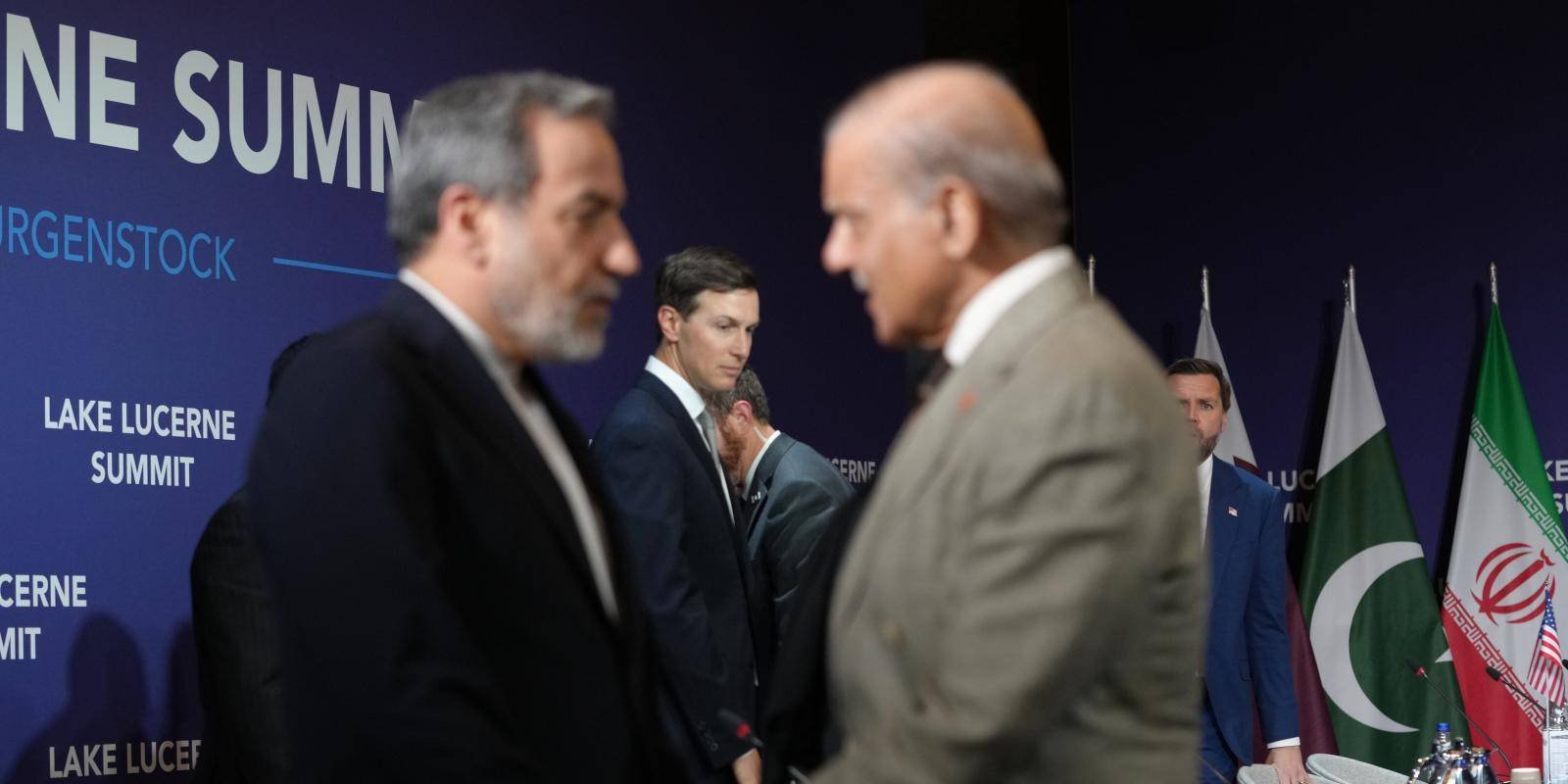
This is not to say that the war was perfectly executed or that it has gone according to plan. But the cumulative effect of three years’ worth of efforts to defang a dangerous and threatening regime in Iran has left the United States in a strong position to solidify its gains. The memorandum of understanding to end the war opens the door to direct U.S.-Iranian talks, which could further stabilize the region.
The memorandum’s limits on Iran’s nuclear program are vague for now, but the United States’ ability to wield economic sanctions and credibly threaten more bombing gives it the leverage to achieve permanent limits on Iranian enrichment. Rather than a foreign policy failure, the war could be the final piece of a successful effort to contain Tehran’s regional threats and achieve a long-term cease-fire.
A Strategic View Iran Didn’t Win the War
The military campaign that the United States and Israel launched on February 28 cannot be viewed in isolation. In its legal justification for the operation, released on April 21, the Department of State explained: “Epic Fury is only the latest round of an ongoing international armed conflict with Iran.” That conflict began with the 2023 Hamas attack on Israel, and continued across the region in both the Biden and Trump administrations. It included Israeli ground combat in Gaza and Lebanon; the toppling of Assad; U.S. and European navies fighting air and sea battles with the Houthis in and around the Red Sea; and Iranian air and missile strikes against Israel, the United States, and Gulf Arab partners.
Viewed as a campaign in an ongoing conflict, the most recent round of fighting with Iran was all but inevitable. After the United States and Israel had bombed Fordow and other nuclear sites during the 12-day war in June 2025, the Trump administration called off additional Israeli airstrikes, signaling that Washington sought a comprehensive settlement with Tehran to end the cycle of violence and limit its nuclear program.
The administration then held another round of nuclear talks with Iran in February to get Tehran to limit enrichment and to probe if, in doing so, Iran would also moderate its aggressive approach to the region. Although Iran made some concessions—according to leaked reports, Iran agreed to temporarily halt enrichment—American negotiators concluded that Iran was unwilling to abandon its larger nuclear ambitions and thus its quest for regional hegemony.
Iran’s actions after the 12-day war reinforced the perception that it was insistent on maintaining its regional dominance. Tehran rapidly deployed new long-range ballistic missiles, which the Israelis understood as providing a shield for Iran’s nuclear program. In January, the Iranian regime brutally suppressed a nationwide popular uprising. The Islamic regime thus showed it was not changing, which meant that the United States and Israel were dealing with the same foe that had started the war in 2023 via its proxies and which would inevitably incite more conflict.
The only question for Washington was whether it made more sense to strike sooner or later. The Trump administration and Israel decided that it was better to attack while Iran was still relatively weak from the 12-day war and the popular uprising than to wait until it had regained control and rebuilt missile stocks. The problem with the decision to attack on February 28 was not the timing.
The problem was with the overly ambitious belief that the administration could achieve a total victory similar to what it had done in Venezuela and with its lack of preparation for obvious countermoves. The administration ignored decades of U.S. military planning for a potential closure of the Strait of Hormuz, and it disregarded experience of the difficulty of overthrowing ideological foes such as Hezbollah, the Islamic State, and the Taliban.
Making Forward Progress Iran Didn’t Win the War
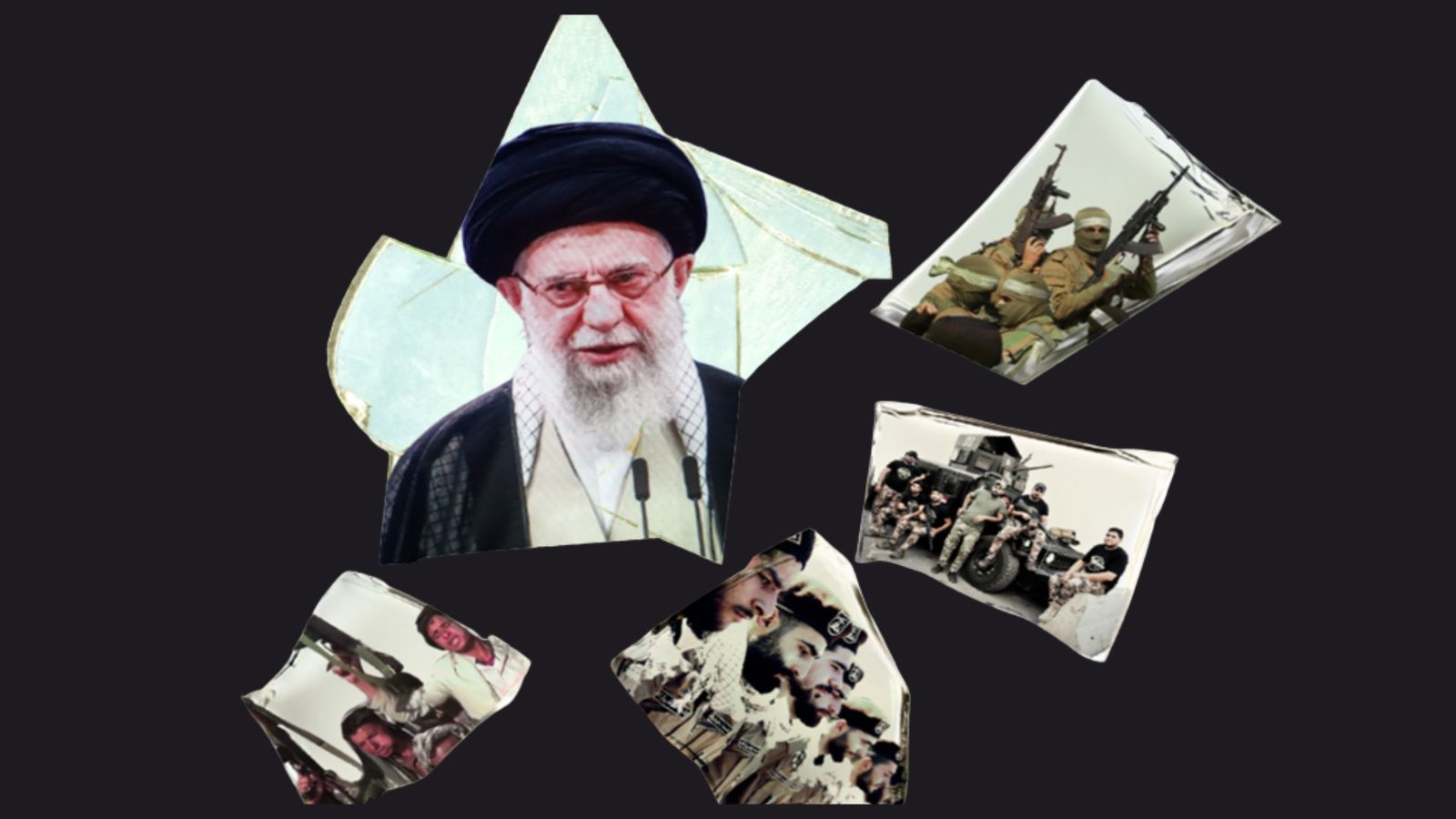
But even with legitimate qualms about the goals and preparation for the war, the United States and Israel have inflicted significant damage to Iran since February 28. Tehran’s proxy network, weakened in the past three years, has now totally collapsed. The remnants of Hamas maintained the cease-fire in Gaza, and in contrast to 2023–24, when Iraqi militias and the Houthis in Yemen launched hundreds of strikes at U.S. military assets and trading vessels on the Red Sea, Iran’s proxy networks largely stayed on the sidelines of the latest round of conflict.
Baghdad rejected the most pro-Iranian candidates for prime minister following its November 2025 election, and Iraqi pro-Iranian militias took some at least superficial steps to integrate themselves into the formal Iraqi government. Israel decisively defeated the one proxy that entered the conflict, Hezbollah, and for the first time in more than 40 years Lebanon entered negotiations directly with Israel on disarming Hezbollah. Israel now holds territory in Lebanon all the way to the Litani River, about 15–20 miles north of Israel’s border, and nothing in the memorandum of understanding requires it to abandon its gains.
The war also destroyed much of Iran’s remaining military capabilities, particularly its air defense network. According to the Pentagon, since February 28, the United States has hit more than 1,500 Iranian air defense targets and 1,250 drone and ballistic missile storage facilities. Iran estimates that the war has caused $270 billion in damage. The United States, Israel, and Gulf Arab partners intercepted the vast majority of Iran’s missile and drone counteroffensives; those that got through defenses did little damage to Israeli targets and only moderate damage to U.S. bases in the region and Gulf states’ infrastructure.
Iran’s successful closure of the Strait of Hormuz and the resulting oil shortages were painful for individual countries and consumers, but the effects of this cutoff were less devastating than those of the 1973–74 oil embargo, which triggered a global recession and sent oil prices skyrocketing more than 300 percent.
(In contrast, oil prices rose only about 50 percent since the war started.) When Iran closed the Strait of Hormuz this year, states and companies quickly found workarounds to offset some of the impact. American oil fields increased production and exports, reaching a record high level of crude oil exports of 5.6 million barrels per day in May. Saudi Arabia is transporting up to seven million barrels of oil per day, or one-third of the Gulf’s exports, via a pipeline that bypasses the strait, and the UAE is nearly halfway finished with a new pipeline that will double its own overland transport capacity to more than three million barrels per day.
Iran’s oil embargo is also promoting a global energy shift from Gulf hydrocarbons to other oil and gas suppliers and to alternative energy sources, which makes the blockade a wasting asset. Iran was able to weather the United States’ own belated blockade of the Strait of Hormuz because it already had many tens of millions of barrels of oil out at sea, but Tehran’s limited geographic options and financial assets to export oil in other ways make it vulnerable to future blockades.
Iran Didn’t Win the War: The Real Deal
The real test of how badly the campaign damaged Iran is what happens to its nuclear program. Under the memorandum of understanding, Iran committed only to discussing its nuclear program, not to taking specific proactive steps other than diluting its stockpiles of 60 percent enriched uranium, which is dangerously close to the 90 percent enrichment levels needed for nuclear weapons, and which are currently largely buried underground.
The memorandum links discussion of enrichment to sanctions relief, suggesting that negotiators have informally established a linkage between the two, and the U.S.-Iranian nuclear talks held in February made some progress on enrichment limits, according to leaked reports. But to truly curb Iran’s nuclear weapons ambitions, the United States must ensure that those stockpiles are actually eliminated, and that Iran cannot pursue future enrichment.
Many observers criticize the war by arguing that the United States finds itself no better off than it was when it signed the 2015 nuclear deal, or Joint Comprehensive Plan of Action, with Iran. They argue that the United States could have maintained controls on Iran’s nuclear program by remaining in the JCPOA, which U.S. President Donald Trump withdrew from during his first term.
But the JCPOA only temporarily limited Iran’s nuclear program while ending sanctions and other enforcement mechanisms. The restrictions on Iranian enrichment under that agreement, had it remained in place, would have been removed step by step beginning this year; within a few years, the agreement would have permitted Iran to very rapidly enrich uranium unrestricted, making it easier for Iran to produce nuclear weapons.
The United States now finds itself in a better bargaining position than it would have been in if it had stayed in the JCPOA. The biting economic sanctions that Trump imposed when he backed out of the JCPOA in 2018 and the joint U.S.-Israeli destruction of much of Iran’s nuclear infrastructure in the 12-day war provide the United States with leverage in current negotiations. Washington can now offer Tehran a cease-fire and sanctions relief in return for Iranian limits on enrichment.
Critics of the war also cite the fact that the United States clashed with Israel, Gulf Arab states, and Europe over war decisions. Gulf countries blocked some U.S. air operations from using bases on their territory and declined to participate in U.S. efforts to escort ships through the strait. The Trump administration criticized Israel repeatedly for its Lebanon operation against Hezbollah, which it saw as undermining the call for a Lebanon cease-fire in the memorandum. And Washington fought with European states over the lack of consultation over the U.S. decision to attack Iran and European refusal to help unblock the strait.
But U.S. allies and partners are likely to work through those disagreements with Washington, rather than shift to dramatically different security arrangements, because they have few other options. In Israel, Prime Minister Benjamin Netanyahu is internationally isolated and has no other powerful global patron.
Gulf states are hedging their reliance on the United States by pursuing military cooperation with countries such as Turkey and Pakistan, but they have no other serious military partner besides the United States to face the residual Iranian threat. Gulf states still need the United States for now, but as Dana Stroul wrote in Foreign Affairs, the Trump administration “must make systemic changes to how Washington works with regional partners” if it wants to keep them on its side in the future.
The relatively harmonious G-7 Summit that took place from June 15 to June 17 reinforced the image of cooperation among the U.S. and its partners. Trump met with key Arab leaders to coordinate on Iran, signed on to tough language on a communiqué reaffirming support for Ukraine in its war against Russia, and was feted at Versailles by French President Emmanuel Macron. U.S. allies know that they still need to work with Washington and are willing to let bygones be bygones with the war in Iran.
Consolidating Gains After Iran Didn’t Win the War
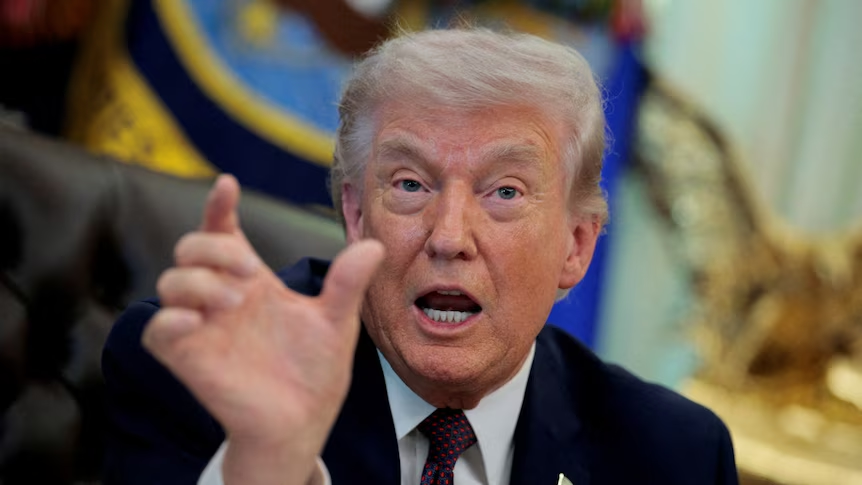
The decision to attack Iran was imperfect: like many overly ambitious, underresourced, and under-analyzed foreign policy gambits in U.S. history, such as President Harry S. Truman greenlighting General George MacArthur’s march to the Yalu River in the Korean War and George W. Bush’s fateful decision to go to war in Afghanistan and Iraq, Operation Epic Fury failed as a total victory.
But over the past three years, the United States has accumulated a series of gains that have largely reversed Iran’s regional successes over the prior 20 years. Assuming that the administration manages to keep the strait open and limit Iran’s long-term nuclear enrichment, a U.S. policy aimed at containment, not regime overthrow, will have been a win. The task now is not to achieve an unattainable final victory, but to consolidate these gains and ensure that Iran remains weaker than when conflict first broke out in 2023.