
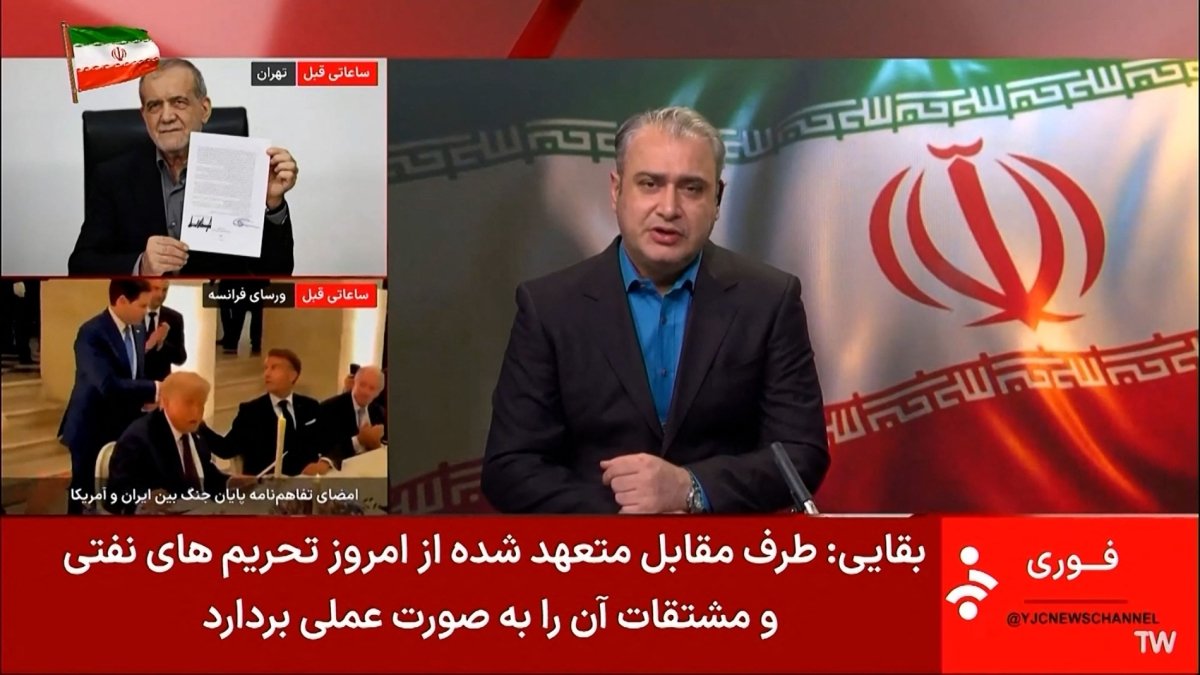
The US-Iran deal forces Gulf states to rethink their security architecture as Gulf relations with Tehran face tests of hardliner opportunism, Israeli sabotage, and the urgent need for diversified strategic partnerships.
The US-Iran deal has abruptly redrawn the strategic map, yet for Arab Gulf states, the true test lies not in Washington’s diplomacy but in the enduring complexities of their own Gulf relations with Tehran, where history of mistrust and proxy conflict threatens to undermine any détente. This precarious moment demands that Gulf capitals recalibrate their approach to Gulf relations with Tehran, moving beyond reactive caution toward a proactive framework that asserts their agency while confronting Iran’s hardline factions who may interpret restraint as vulnerability.
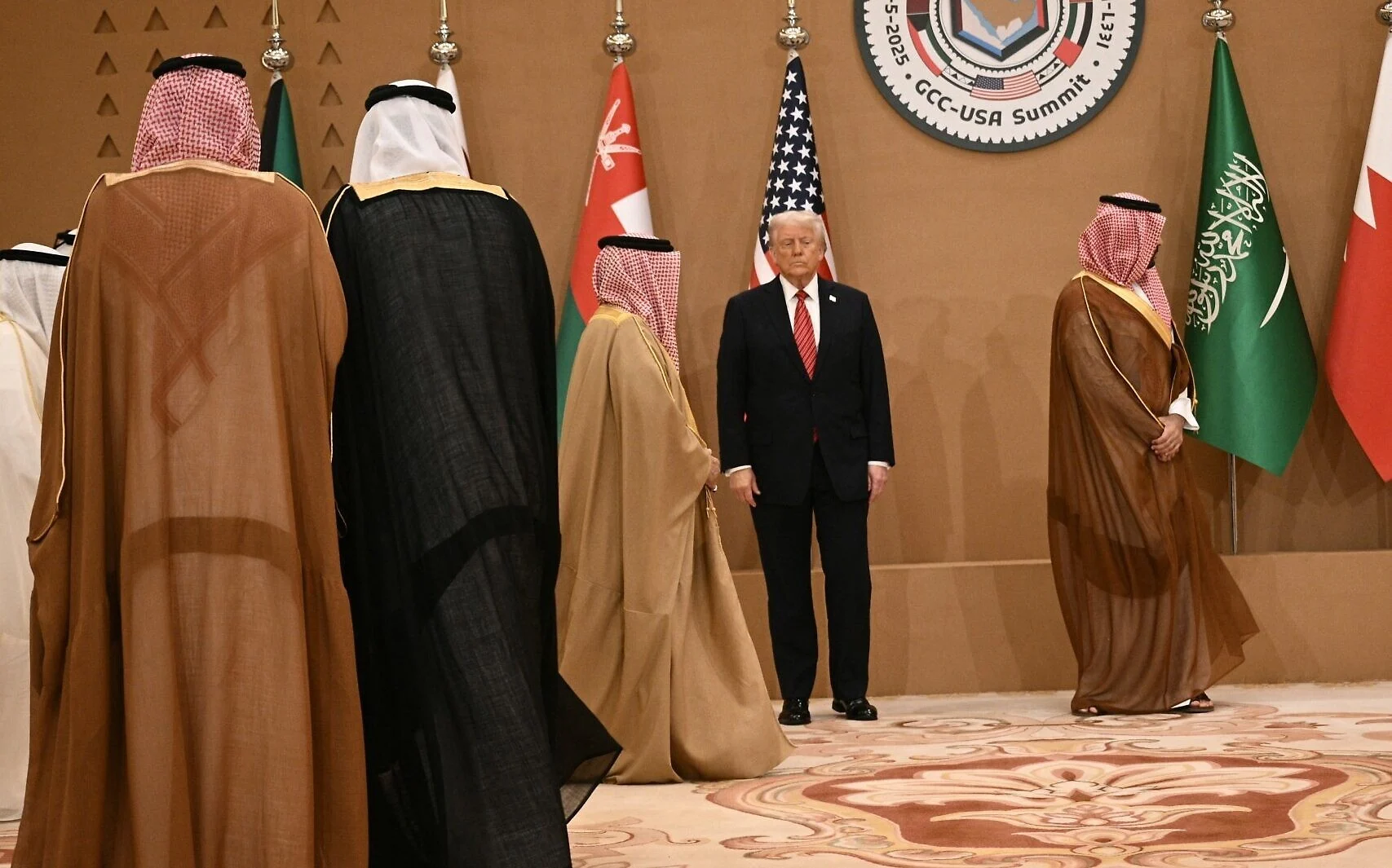
Gulf relations with Tehran and regional stability
It is too early to fully understand the effects of the US-Iran agreement for Arab Gulf states, because the nature and substance of the agreement are still to be learned. But regardless of what the agreement reveals, it is now possible to discern the war’s repercussions for the countries of the region, if indeed this ceasefire holds.
The damage caused by the war has extended far beyond Iran, affecting all member states of the Gulf Cooperation Council (GCC) to varying degrees. As such, the Arab Gulf states welcomed news of an agreement, though some think Tel Aviv may seek to sabotage it, returning the region to a state of military tension.
The Gulf states hope that the agreement restores stability to the region, allows maritime activity to resume smoothly, opens the way for energy supplies to reach global markets without disruption, and attracts investment back to the region, thereby easing the losses suffered by some of the smaller Gulf states. Beyond that, however, GCC states will have to rethink the nature of their future security and political order.
This means reconsidering their defence strategy in earnest, devoting greater attention to developing local military industries, and diversifying their strategic partnerships with Russia, China, and various Asian and European powers, while preserving their partnership with the United States but without being wholly reliant on it. Economically, they will need to develop alternatives to the maritime corridor through the Strait of Hormuz, which Iran can close. Serious thought must be given to alternative outlets to the Arabian or Red Sea. Rail networks may form part of the solution.
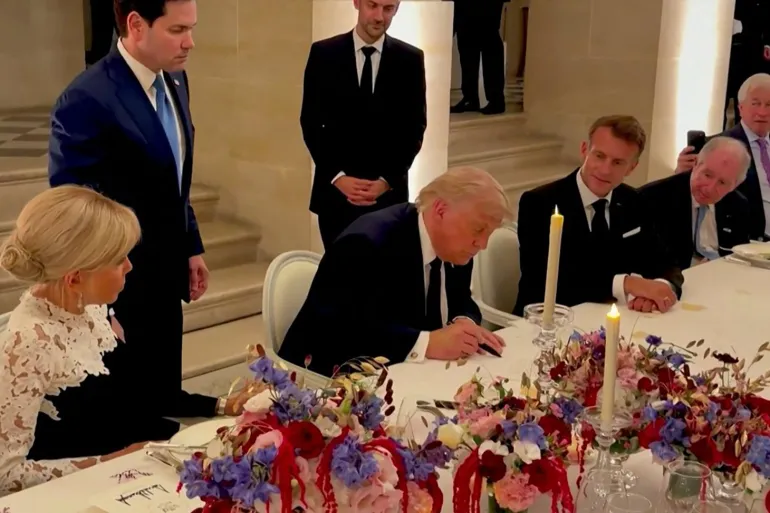
Redefining security amid Gulf relations with Tehran
Gulf states need to understand that the region’s security cannot be determined by Washington and Tehran alone. The GCC must remain outside any military alignment or armed confrontation between the United States and Iran. This must be made clear in the future framework of relations with both sides. Consequently, it cannot be acceptable for Iran to target the GCC states in the event of another military conflict.

Gulf anxiety
Arab Gulf states may feel anxious about a sense of triumphalism within Iran’s conservative establishment, especially if sanctions are lifted, and Iran’s economic situation improves. This could encourage Tehran to expand its regional influence and increase support for its proxies, returning the region back to square one.
Iran’s hardliners may even feel emboldened given that the Arab Gulf states did not respond when targeted by Iran’s Revolutionary Guards. There are also unverified reports that some smaller Gulf states paid pro-Iran militias not to target their state infrastructure during the hostilities.
Gulf restraint and its impact on Gulf relations with Tehran
If Iran renewed its aggression against GCC states, it would be a grave mistake. Arab restraint arose not from weakness or fear but from maturity and a reluctance to do Israel’s bidding. Had they chosen to respond to Iran’s attacks, they could have caused considerable damage and conferred upon the American assault an international legitimacy that US action lacked from the outset, so it is important that the Iranians understand the Gulf position clearly and soberly.
Some Iranian ‘reformists’ understand this. If they play an active role in Iranian decision-making, the country is less likely to repeat past errors. But Tehran’s fundamentalists have so far succeeded in marginalising the approach and thought of the enlightened Islamic politician Mehdi Bazargan, reformist President Masoud Pezeshkian, and some members of his government. Their influence would steer Iran toward a path of moderation and peace with its Arab Gulf neighbours.
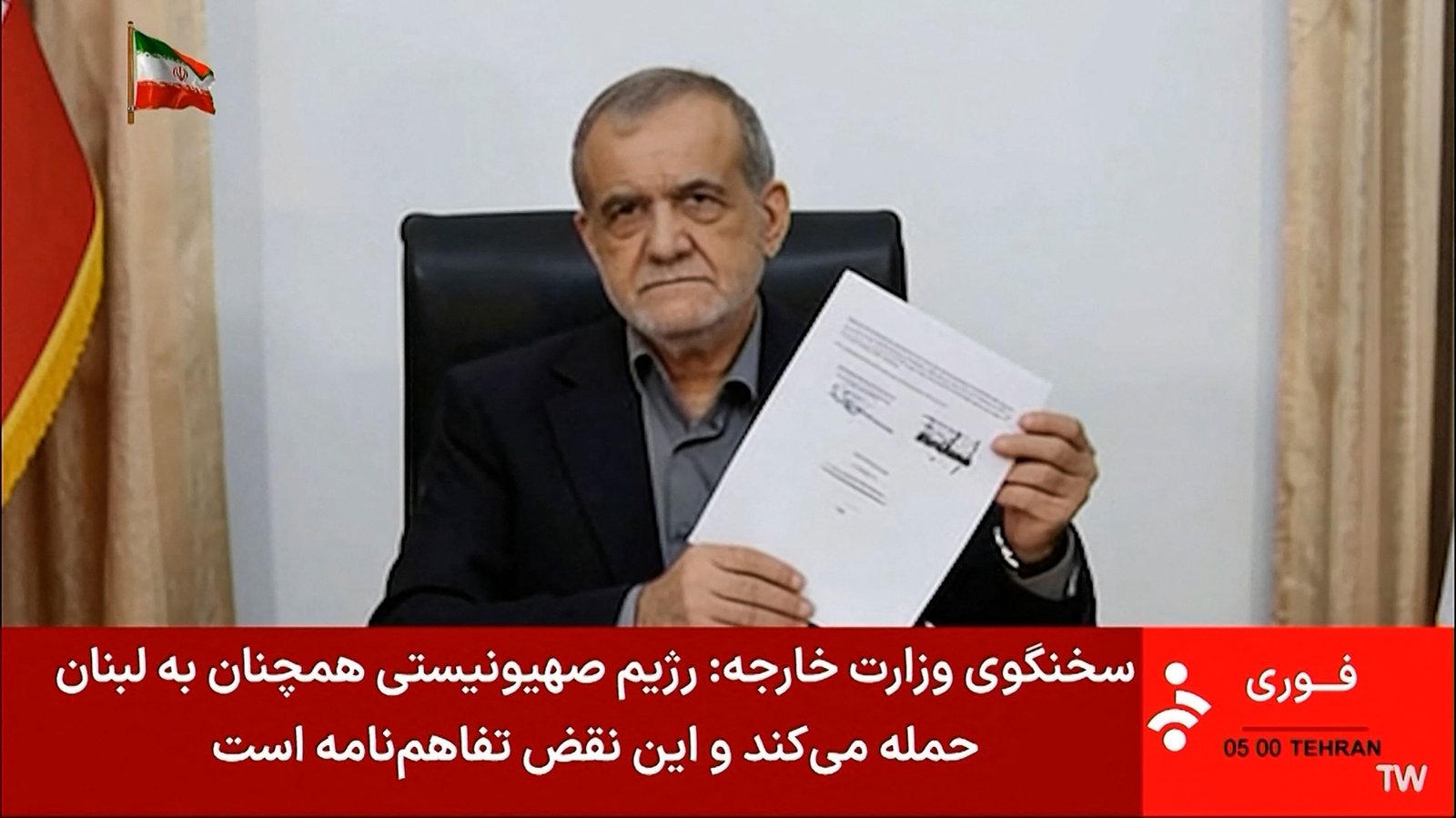
Gulf relations with Tehran opens new alignment
New beginning
Iran could benefit from the strength and centrality of Arab Gulf states by deepening its relations with them, overcoming old difficulties, and adopting a ‘zero problems’ policy. This would allow Iran to take its place in an emerging regional alignment alongside Saudi Arabia, Pakistan, and Türkiye. In January, Turkish foreign minister Hakan Fidan said talks were under way with Riyadh and Islamabad regarding a defence alliance, one that will have one eye on Israel (especially given Israel’s obstinate rejection of a Palestinian state and some Israeli ministers’ rejection of US-Iran negotiations).
The US-Israeli war against Iran, which began last year, was instigated by Israel, whose Prime Minister Benjamin Netanyahu sought to involve American forces by plunging US President Donald Trump into a conflict in which there was no chance of decisive victory. Trump wanted the war to end quickly but failed to grasp that unless an ending is decisive, no one can determine its duration or timing. In this way, the Americans have found themselves caught in a trap set by Netanyahu.
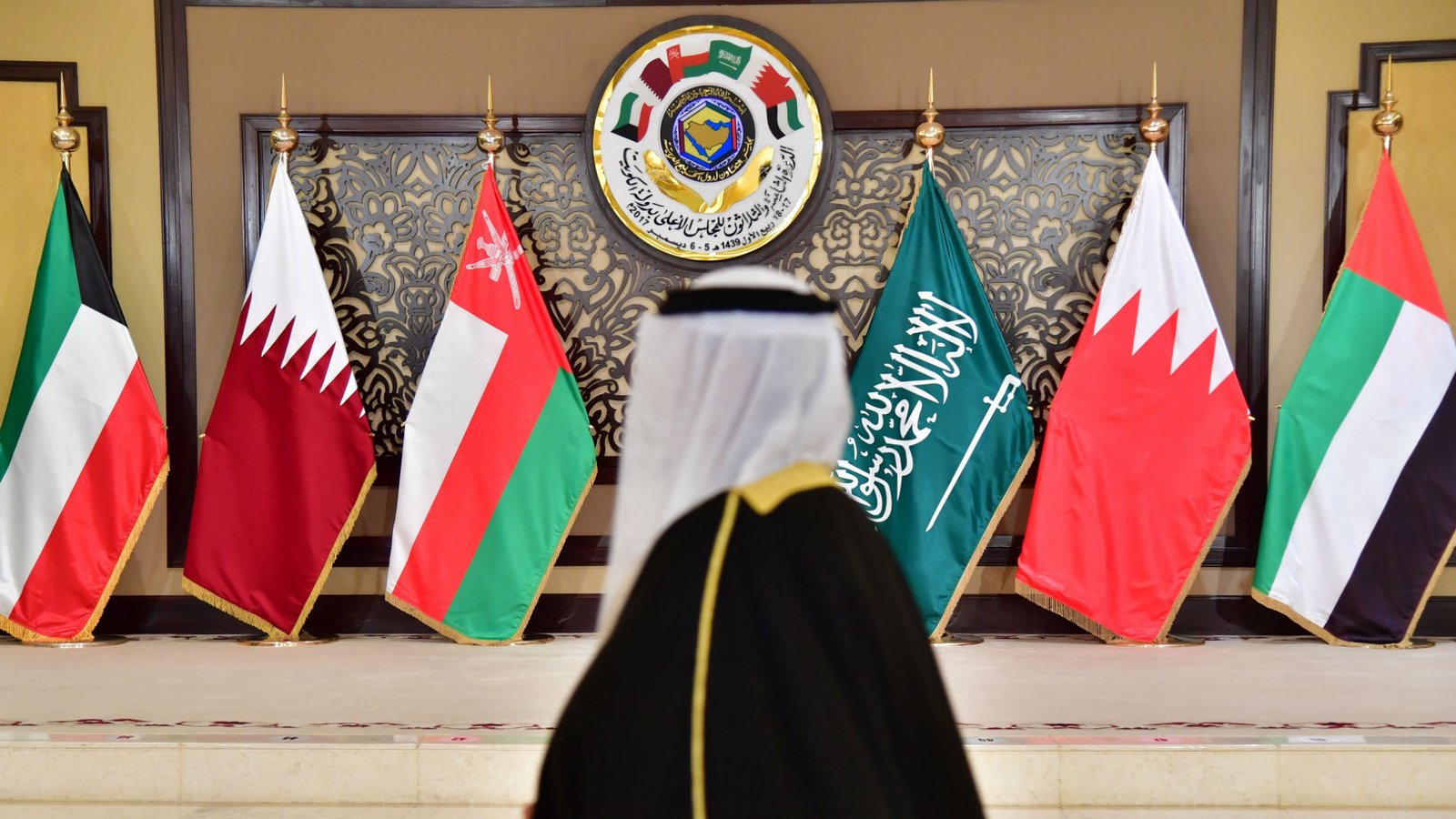
Netanyahu’s trap and its effect on Gulf relations with Tehran
Pressure from the public, political opponents, and the media began to mount. Even leading members of Trump’s MAGA (Make America Great Again) movement started to turn on the president for pursuing what they saw as Israel’s interests. As he turned 80 on 14 June 2026, he got to announce—with no little relief—that a Memorandum of Understanding between the United States and the Islamic Republic had been signed. The world now awaits the details.