
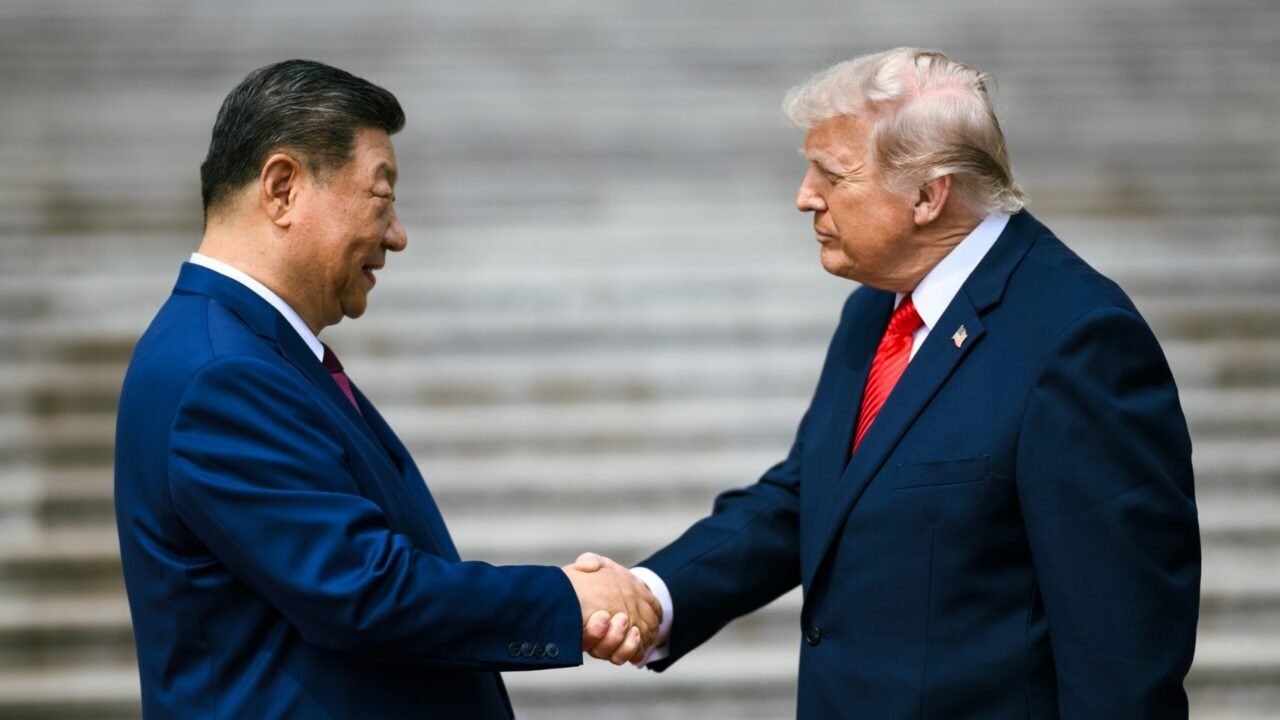
An enterprise strategic brief identifying structural foreign policy vulnerabilities where Washington delays competitive actions for diplomatic gain, explicitly drawing historical parallels to prevent a recurrence of Obama’s mistake.
Strategic paralysis in Washington frequently stems from the miscalculation that diplomatic engagement requires geopolitical capitulation, an approach that directly replicates Obama’s mistake of prioritizing short-term bilateral cooperation over long-term structural deterrence. By delaying critical security measures to preserve diplomatic pageantry, the administration risks repeating Obama’s mistake where unilateral restraint was met with asymmetric Chinese expansionism rather than diplomatic reciprocity.
Obama’s Mistake and Current Strategy
America’s president is softer on China in his second term than in his first. He is eager to cut a deal with Beijing, ready to set aside sensitive issues to avoid confrontation, and dangerously willing to take Chinese President Xi Jinping at his word.
That was the situation America found itself in under President Barack Obama a decade ago. President Donald Trump can avoid this mistake by keeping America off the “China calendar.”
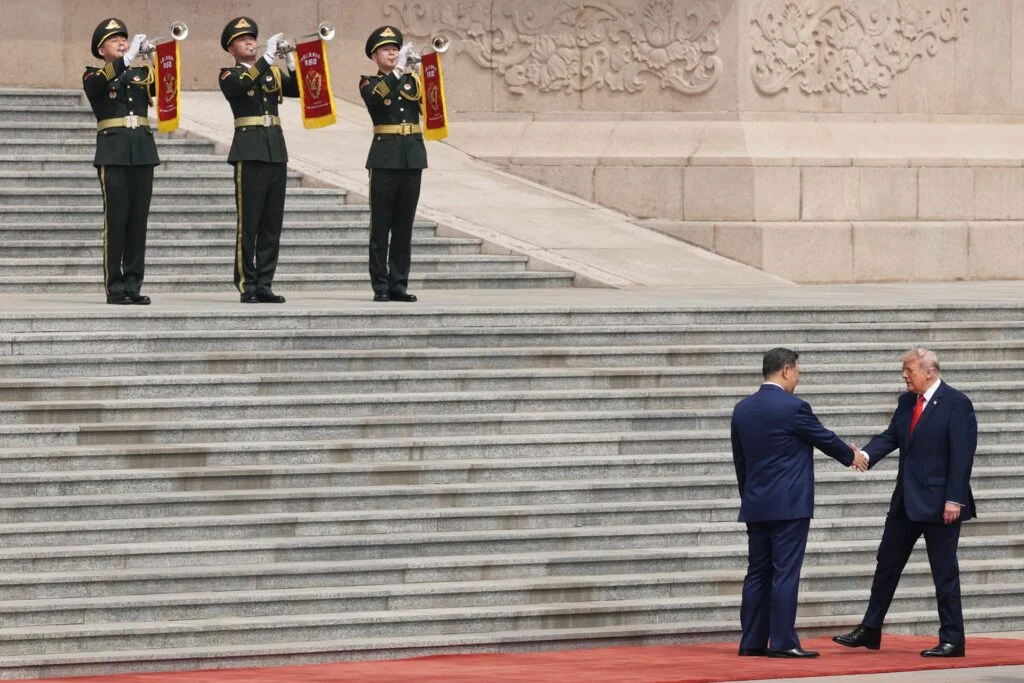
Flawed Logic Repeating Obama’s Mistake Path
Competition and cooperation are not mutually exclusive. But too often, through solipsism and naivete, policymakers have fallen prey to the belief that America can only cooperate with China if it competes less aggressively. Thus follows the tyranny of the “China calendar”—the pernicious tendency to unilaterally delay or cancel competitive actions to avoid upsetting Beijing and disrupting scheduled diplomatic engagements. But as President Obama discovered too late, China is rarely reciprocal in its restraint.
Historical Precedent Explaining Obama’s Mistake
President Obama froze new arms sales to Taiwan for more than four years while chasing a climate pact with China. Meanwhile, China escalated cyberattacks against US government agencies and companies, infamously stealing designs of more than two dozen US military weapons systems.
It also accelerated its campaign to assert sovereignty claims in the East and South China Seas at the expense of US allies like Japan and the Philippines. During his visit to Washington in September 2015, President Xi pledged to halt state-sponsored cyberattacks and never to militarize the South China Sea. President Obama accepted those promises, and President Xi proceeded to violate them. Beijing is once again seeking to use bilateral pageantry and the promise of cooperation to win concessions from Washington.
Last month, a summit between President Trump and President Xi achieved little, except to extend a trade truce. Unfortunately, Mr. Trump played into Beijing’s hands in advance of the meeting by freezing a $14 billion arms sale to Taiwan.
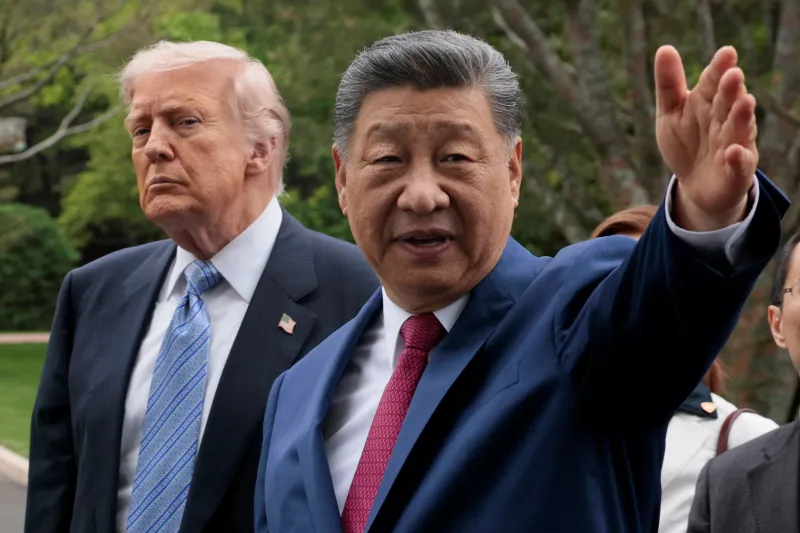
Obama’s Mistake Shapes Modern Confrontations
Since the summit, China has been testing the limits of US resolve. Chinese authorities arrested scholar and activist Min Zin, a US citizen, on espionage charges. China emplaced new structures and personnel at Scarborough Shoal, escalating its maritime confrontation with the Philippines. China continues naval blockade drills around Taiwan and maintains a rare-earth embargo against Japan. Beijing is hoping a full “China calendar” and Mr. Trump’s desire for trade deals will weaken America’s will to compete.
Trump and Xi are scheduled to meet in Washington in September, at APEC in November, and at the G20 in December. Beijing will try to use each of these meetings as leverage to constrain American actions aimed at defending its interests and those of its allies. President Trump must not yield and should demand Min Zin’s release. His arrest is nothing more than hostage-taking with Chinese characteristics. Mr. Trump should complete authorized arms sales to Taiwan without delay. Taiwan’s ability to defend itself is not leverage, but the foundation of deterrence. The president should condemn China’s escalation at Scarborough Shoal and deploy additional US military assets to the Philippines until new structures and personnel are removed.
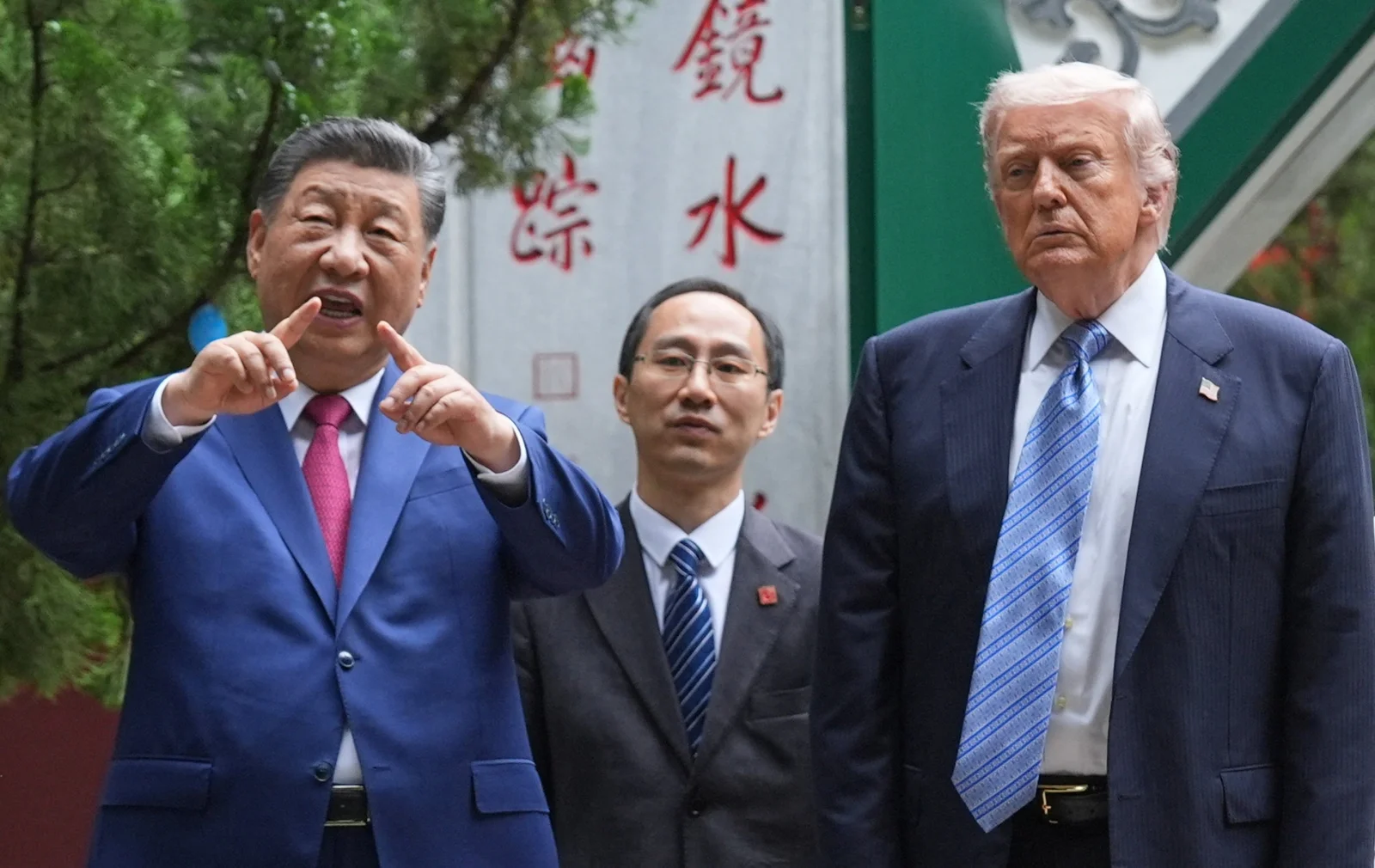
Strategic Actions Avoid Obama’s Mistake Legacy
Above all, Trump should allow no daylight between America and its allies. Ahead of each meeting with Xi, he should consult with leaders like Prime Minister Sanae Takaichi, President Ferdinand Marcos Jr., and Prime Minister Narendra Modi. President Trump will be stronger at the negotiating table when China understands America is not alone.
Congress must also do its part. To outcompete China in artificial intelligence, Congress should pass the AI Overwatch Act, the MATCH Act, the Remote Access Security Act, the Chip Security Act, the Deterring AI Model Theft Act, and the Chip EQUIP Act. David Feith, a former Trump administration official, has assessed that this historic package of bills would turn America’s advantage in computing power into a durable strategy.
Congress should also back up America’s allies. It should streamline arms sales to Taiwan by passing the Porcupine Act. It should prohibit consultation with Beijing on arms sales to Taiwan with the Six Assurances to Taiwan Act. Congress should accelerate and expand foreign military financing for the Philippines. To demonstrate solidarity with Japan amid Chinese pressure, Speaker Mike Johnson should invite Prime Minister Takaichi to address a Joint Session of Congress this year. A more stable relationship with China is a laudable goal. But achieving it is a test of America’s resolve, not its restraint. Forget the “China calendar.” The time for action is now.