
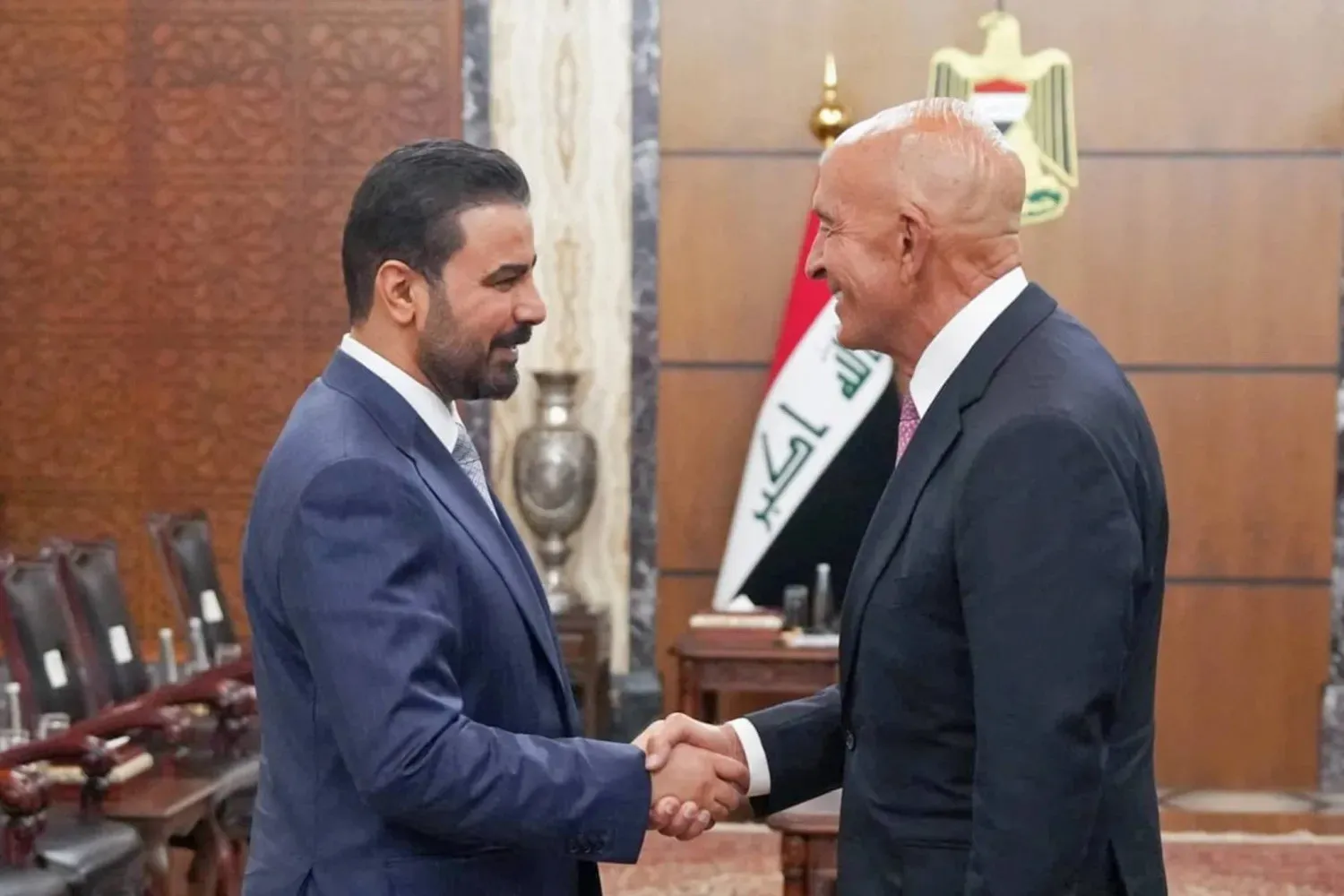
A profound evaluation of U.S.-Iraqi bilateral ties under Prime Minister Zaidi, exploring the friction between commercial energy ambitions and the persistent security threats posed by autonomous, foreign-backed paramilitary networks.
The global energy market requires deep stability, meaning that a relationship with Iraq cannot rely solely on commercial pacts while ignoring structural militancy. To secure critical oil infrastructure and protect direct foreign investment, Washington must tie future trade benefits to verifiable institutional demilitarization. Deploying economic incentives without enforcing a centralized chain of command risks funding a state apparatus that remains heavily compromised by parallel command structures loyal to foreign adversaries.
Relationship With Iraq Redefining Strategic Commerce
Amid a tense regional situation, Iraq’s new government is engaged in a high-stakes balancing act. Tom Barrack, the U.S. special presidential envoy for Iraq and Syria, met with Iraq’s new prime minister, Ali al-Zaidi, in Baghdad on June 15. The meeting focused on security issues — particularly disarmament of Iraq’s Iran-backed militias — and included an announcement of progress on energy deals with American companies. Zaidi has received enthusiastic support from the Trump administration, which views him as the right choice to support American priorities in Iraq, including countering Iranian influence.
Zaidi is scheduled to visit Washington in July. However, Zaidi, previously a businessman, has no political track record to substantiate his commitment to Washington’s priorities. Furthermore, his political mandate comes from the Coordination Framework — a coalition of Iran-aligned, Shiite parties. A month is not long enough to judge Zaidi’s commitment or ability to counter Iranian influence but, particularly given his backers, Washington should not bank on Zaidi’s government remaining an eager partner. So Far, Progress on Disarmament Has Been Largely Rhetorical.
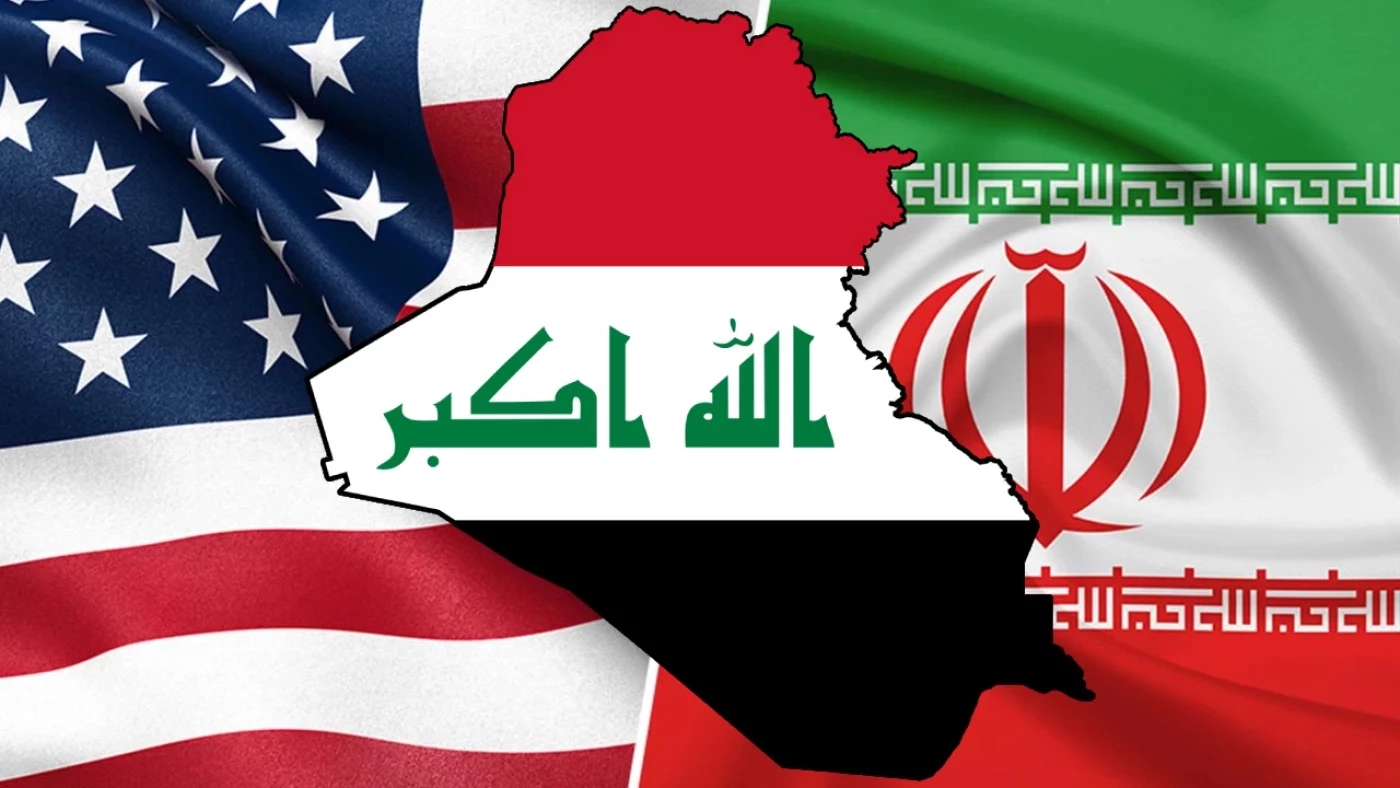
Balancing The Regional Relationship With Iraq Dynamics
Two U.S.-designated, Iran-backed Foreign Terrorist Organizations (FTOs), Asaib Ahl al-Haq and Kataib Imam Ali, announced that they would disarm on June 2. The week before, the undesignated militia Saraya al-Salam — which is affiliated with Iraqi cleric and popular leader Muqtada al-Sadr, a sometimes partner of Tehran — declared it would disarm. Despite applause from Baghdad and Washington following these announcements, huge questions remain around where fighters and weapons will go. Many questions revolve around the Popular Mobilization Forces (PMF), an official Iraqi security institution comprised largely of Iran-backed militias including those promising to disarm.
The PMF has provided militias with legitimacy and funding, while nominally answering to Iraq’s commander-in-chief, the prime minister. In reality, militias frequently launch attacks at the instruction of their own commanders loyal to Tehran. Even after promises of disarmament, militia leaders, including Qais Khazali, the head of Asaib Ahl al-Haq and a U.S. designated terrorist, defended the necessity and legality of the PMF. Militias claiming that they are disarming and placing weapons under the control of the state likely intend to place any men and weapons that they previously considered independent of state authority under the PMF, which would provide them legal cover without truly putting them under a centralized Iraqi chain of command.
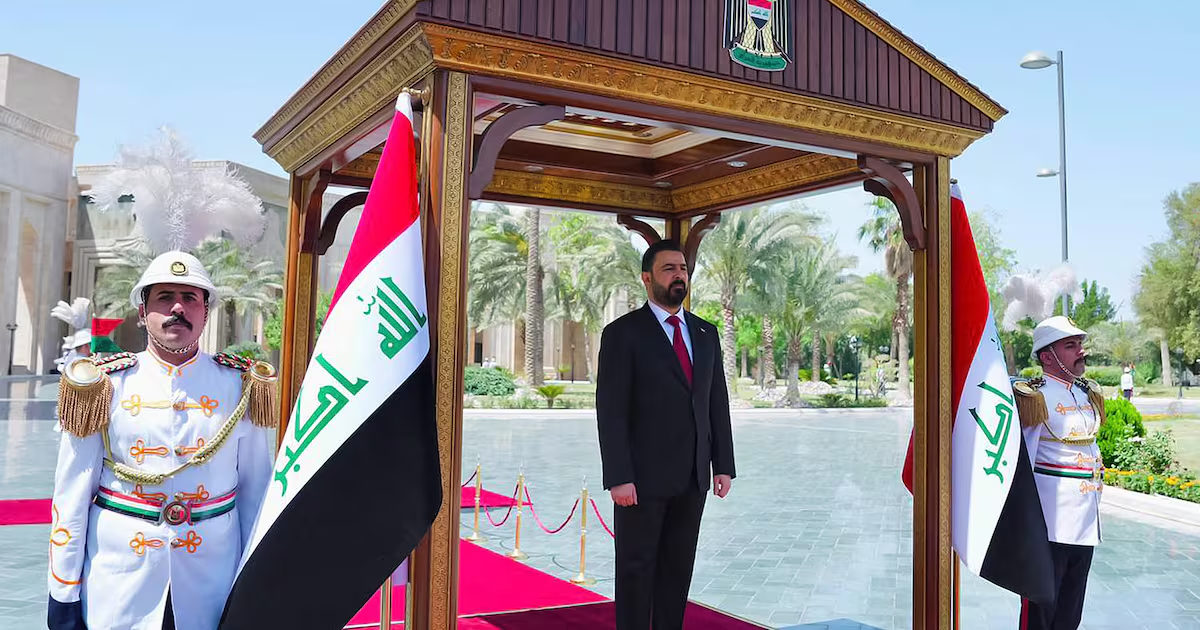
Threats To The Relationship With Iraq
Militias Are a Threat to Energy Deals The meeting readout from the U.S. Embassy in Iraq commended the country’s efforts “to enable U.S. companies HKN, Western Zagros, and Hunt to resume operations with full security guarantees.” But any guarantees are meaningless so long as Iran-backed terror groups — who targeted each of these companies and more American organizations during the most recent conflict with Iran — retain weapons. The Iraqi government condemns such attacks, but it has proven unable to stop them. Militia attacks, along with limited oil export and storage capacity after Iran closed the Strait of Hormuz, forced many Iraqi oil fields to shut down production in early March.
Relationship With Iraq Demands Policy Transparency
Washington Should Demand Transparency on Disarmament From Baghdad Reportedly, Barrack requested that Zaidi provide a timeline for the disarmament of militias. This is a crucial start, but Washington also needs details on where arms are going and what will happen with militia fighters. On top of various Iran-backed militias, Washington should require Baghdad to take steps towards dismantling the PMF, which is both a financial and security drain on Iraq.
Securing Capital By Stabilizing Relationship With Iraq Interdependence
Unfortunately for Iraq, Tehran’s influence is not only reserved for the security sector, but it also permeates the government and economy. Washington and Baghdad can begin rolling back this pervasive malign influence by expanding prohibitions on militia affiliates in the cabinet to include deputy minister, and director general roles across government ministries. Treasury can also use counter-corruption tools, such as Global Magnitsky sanctions, to target Iraqis exploiting their government positions to benefit militias and the Islamic Republic.