
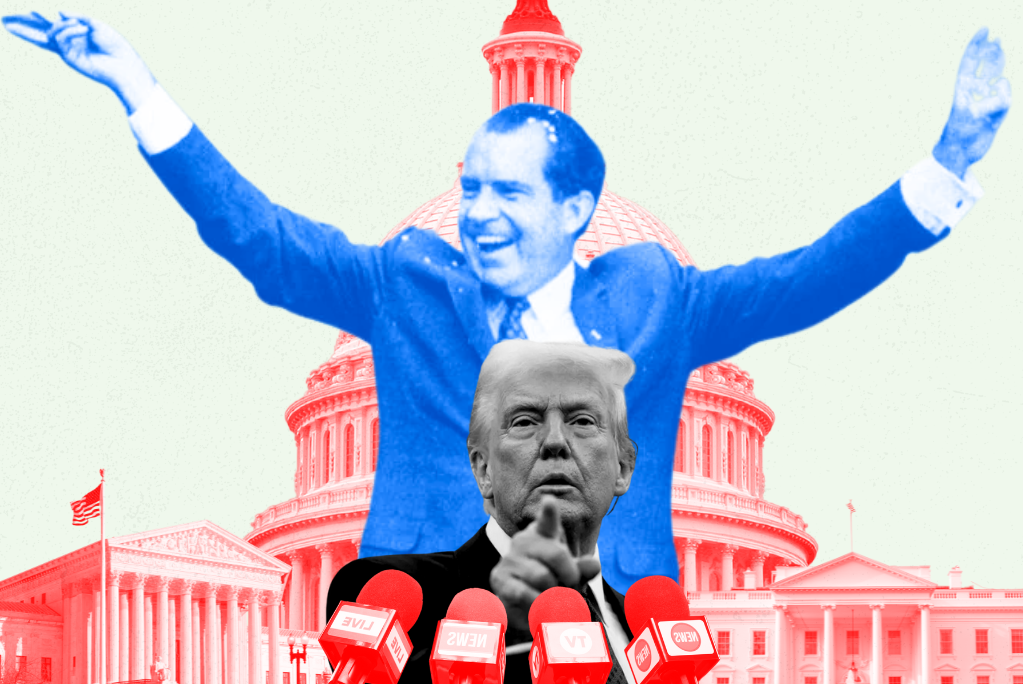
The Nixon Doctrine resurfaces as Washington shifts from direct intervention to empowering regional allies. The Islamabad Memorandum signals a multilateral concert of powers, redefining US strategy from unilateral enforcement to distributed, offshore balancing in the Middle East.
The Nixon Doctrine’s strategic reemergence signals a pivotal shift from unilateral American enforcement to a multilateral concert of regional powers in the Middle East. This evolving framework, anchored by the Islamabad Memorandum, suggests that Washington is pragmatically distributing security burdens. The Nixon Doctrine, once defined by twin pillars, now adapts to a pluralistic landscape where the United States acts as a partner, not a policeman, fundamentally altering the region’s geopolitical equation.
Nixon Doctrine and the Regional Concert
The news that the United States and Iran had signed a memorandum of understanding (MoU) last week, ending 15 weeks of war, has been met with a mixture of relief and bewilderment. The deal, brokered by Pakistan and Qatar, has reopened theStrait of Hormuz and sets a 60-day timetable for negotiations on Iran’s nuclear program and sanctions relief.
However, the most profound implications extend not only to ending a war but also to the region’s future strategic architecture. The question now is whether the memorandum (also known as the Islamabad Memorandum) heralds a new “Nixonian” moment for the Middle East.
The original Nixon Doctrine, articulated in 1969, was a strategy of “offshore balancing.” Confronted with the reality that the United States could not be the world’s policeman, President Richard Nixon sought to delegate primary responsibility for regional security to local allies. In the Persian Gulf, this took the form of the “Twin Pillars” policy, relying on Saudi Arabia and Iran as guarantors of American interests and regional stability. The United States would provide support, but the burden of maintaining order fell to the regional powers themselves.
A New Doctrine or Nixon Doctrine Revival
The Islamabad Memorandum and the diplomatic and rhetorical shift it represents suggest that a similar conceptual break may be underway. However, rather than a single client power or a pair of pillars, this new order appears to be coalescing around a concert of regional powers.
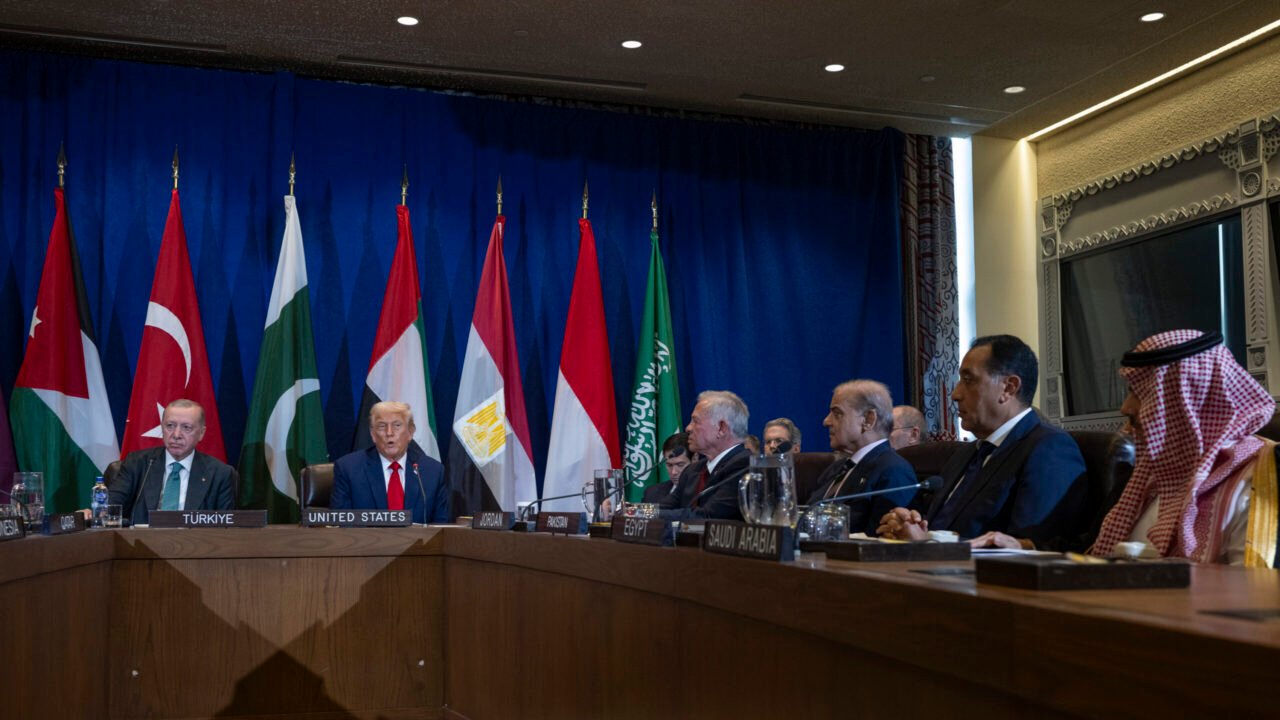
The memorandum is not a bilateral US-Iran deal in the traditional sense. It is a product of multilateral diplomacy facilitated by Pakistan and Qatar, with active support from Saudi Arabia, Turkey, Egypt, and Oman. The fundamental shift here is that the United States is no longer the sole arbiter of regional security but is acting as a partner to a coalition of regional states.
Pakistan’s role is particularly telling. Islamabad has successfully positioned itself as the trusted broker between Washington and Tehran. This represents more than a diplomatic achievement; it is an assumption of a strategic responsibility that was once the exclusive domain of the United States. As Pakistani Prime Minister Shehbaz Sharif announced the breakthrough, it was a clear signal that the days of Pax Americana are giving way to a more distributed system of influence.
Assisting Partners Under Nixon Doctrine
As the United States expects partners to shoulder greater responsibility for regional security, it might also recognize the threats that could undermine their ability to do so. In the case of Pakistan, in particular, it may involve assisting the country in facing terrorist threats from the likes of Tehreek-e Taliban (TTP) and Balochistan Liberation Army (BLA). The latter has increasingly targeted infrastructure projects and strategic assets in Balochistan—and has killed thousands in escalating violence.
Supporting regional partners in a Nixonian framework does not necessarily require deploying American combat forces. It can involve diplomatic and intelligence cooperation, as well as working through international institutions such as the United Nations, in imposing sanctions on violent actors.
Nixon Doctrine Alignment with Beijing
Such an approach would also align the United States and China, both of which have an interest in regional stability, an outcome in line with Nixon’s own statecraft.
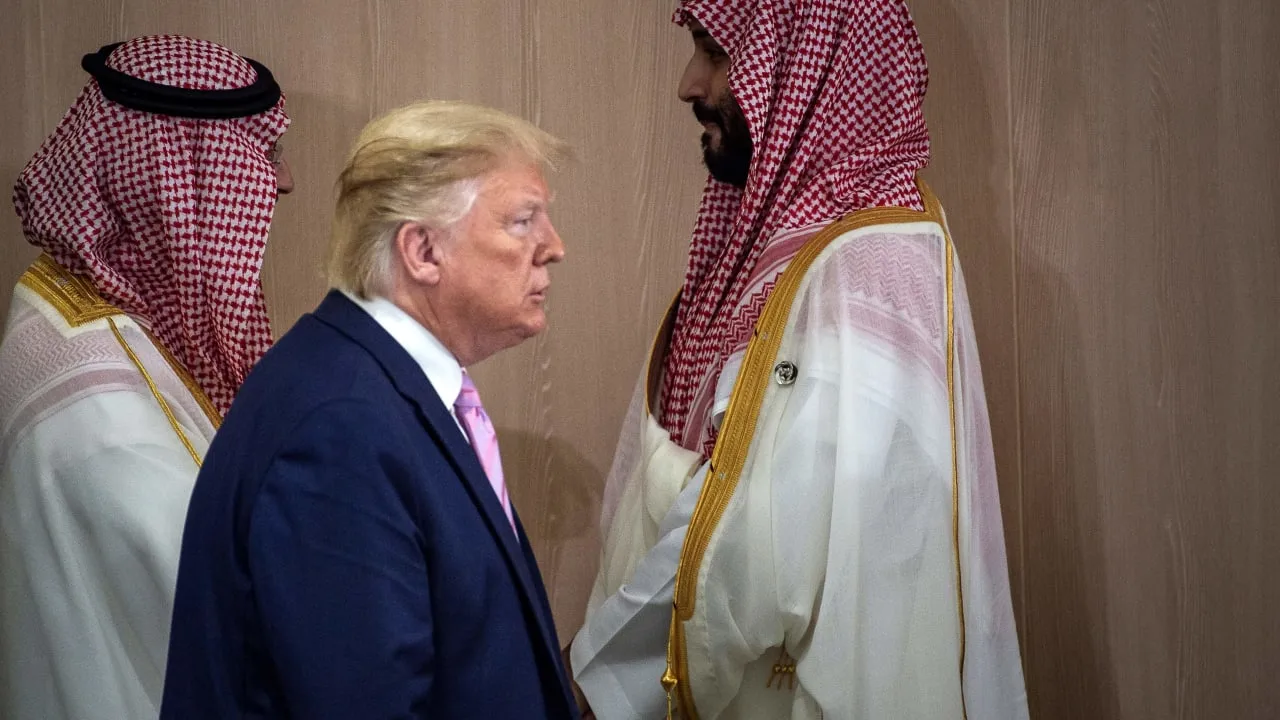
Saudi Arabia’s participation in this concert is also crucial, as one of the original “Twin Pillars,” and its involvement in a framework that leads to regional stabilization and Iran’s economic integration is a stark departure from the zero-sum rivalry that has defined the region for decades.
Turkey’s involvement points in the same direction. As a major military power and a NATO member with an increasingly independent foreign policy, Ankara provides both strategic weight and diplomatic flexibility. Together, Pakistan, Saudi Arabia, and Turkey possess many of the attributes necessary for a regional concert: diplomatic reach, military capability, economic influence, and relationships that span competing blocs.
This emerging arrangement differs from the original Nixon Doctrine in one important respect. Nixon’s regional order relied on a limited number of American-aligned pillars. The emerging order appears less hierarchical and more pluralistic. Rather than acting through clients, Washington may increasingly work with autonomous regional powers whose interests overlap with, but do not always perfectly align with, those of the United States.
The Shifting Nixon Doctrine in Practice
Perhaps the clearest evidence of this shift can be found in Washington’s rhetorical posture toward Israel following the memorandum’s announcement. Israeli far-right factions reacted angrily to the agreement, portraying it as a concession to Tehran. Yet rather than modifying its position in response to allied criticism, theTrump administration publicly defended the deal and signaled its determination to pursue de-escalation.
Vice President JD Vance, who played a key role in the negotiations, delivered an unusually blunt reminder of the foundations of the US-Israel relationship. Addressing the Israeli leaders, he said: “If I was in the cabinet of the Israeli government, I might not be attacking the only powerful ally that I have anywhere left in the entire world.” He further reminded Israel that “two-thirds of the defensive weapons” protecting its homeland were “built by American hands and paid for by American tax dollars.”
The message was unmistakable: broader American strategic objectives would not be subordinated to the preferences of regional partners.
The Nixon Doctrine itself was born of the recognition that direct military management of distant regions imposed costs the United States could not sustain indefinitely. The Islamabad Memorandum may reflect a similar realization. After a costly, self-inflicted confrontation with Iran, Washington appears increasingly interested in a regional order that is both more sustainable and less dependent on continuous American intervention.
Whether the memorandum ultimately proves durable remains uncertain. It may yet become a temporary truce rather than the foundation of a new geopolitical architecture. Nevertheless, the agreement already reveals an important trend. The United States appears to be returning to its traditional role as an offshore balancer, encouraging regional powers to assume greater responsibility for maintaining order while providing diplomatic, economic, and military support from a distance.
If that trend continues, historians may eventually view the Islamabad Memorandum as more than the agreement that ended a war. They may regard it as the moment the Middle East began moving from an era of American predominance toward a concert of regional powers. The names have changed, and the actors are more numerous than in Nixon’s day. But the underlying logic—a stable balance maintained primarily by regional states rather than direct American management—would be immediately familiar to the architects of the Nixon Doctrine.