
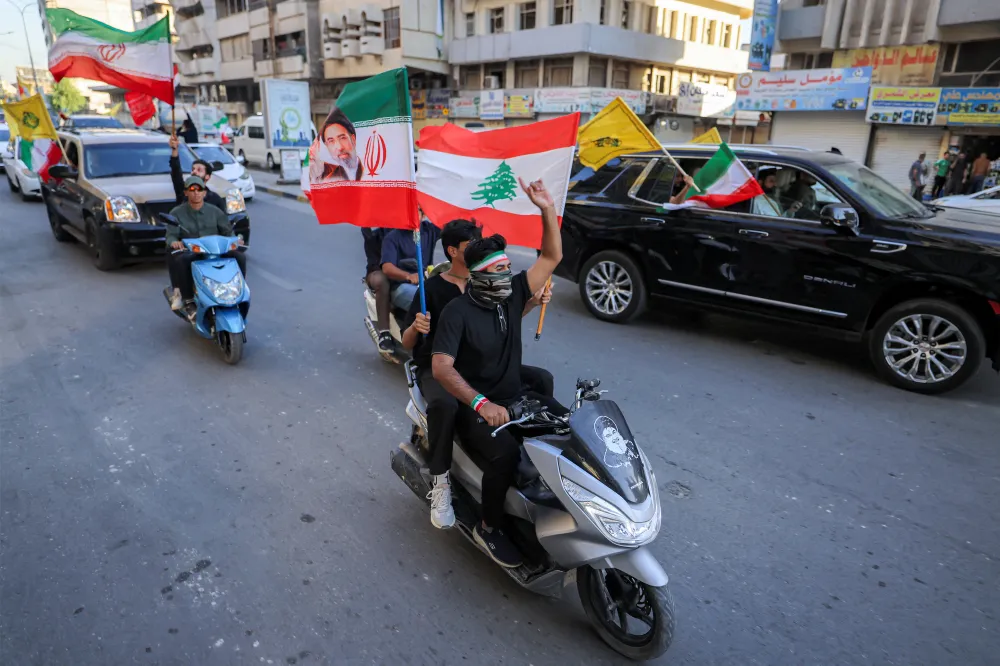
A profound exploration of Middle Eastern strategic shifts, analyzing how Tehran seeks to manipulate upcoming Washington negotiations to construct a diplomatic sanctuary for its main proxy, transforming a prospective trade agreement into a new security matrix.
Tehran’s current diplomatic offensive demonstrates a sophisticated effort to integrate regional conflict theaters, leveraging Washington negotiations to insulate asymmetric proxies from decisive operational pressure. By tying maritime commerce security and nuclear concessions directly to the cessation of Israeli defensive maneuvers in the Levant, the Islamic Republic aims to transform a prospective agreement into Hezbollah’s Shield. Failing to decouple these theaters risks validating coercive blackmail, ultimately transforming diplomatic agreements into Hezbollah’s Shield while subverting regional deterrence and undermining the structural logic of peace through strength.
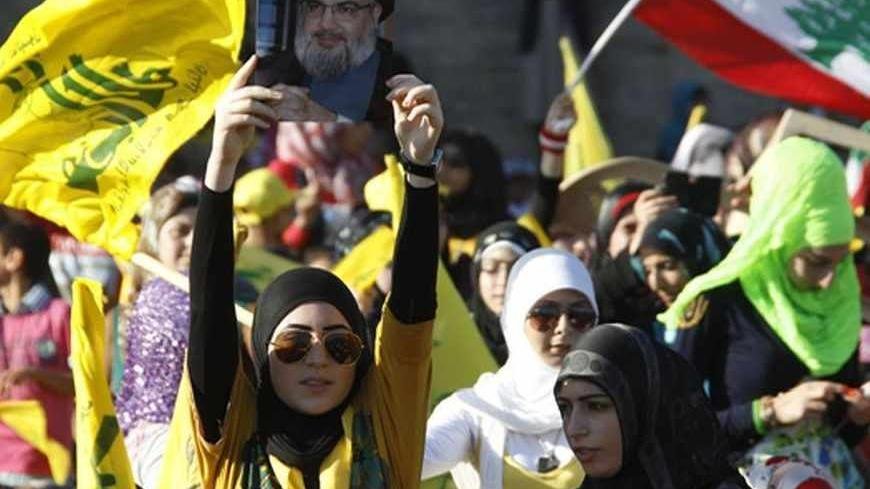
Hezbollah’s Shield Reshapes Regional Deterrence Architecture
Earlier this month, Secretary of State Marco Rubio warned that Iran was attempting to “mix” everything together by linking Lebanon, maritime security, and negotiations with Washington into a single diplomatic package. Recent statements from Tehran suggest that this is precisely what is happening.
As the U.S. moves toward a new agreement with Iran, senior Iranian officials have publicly linked the future of the deal to developments in Lebanon, including Israeli military operations against Hezbollah. In doing so, Tehran is revealing a deeper strategic objective that extends well beyond sanctions relief or freedom of navigation in the Strait of Hormuz.
For decades, Hezbollah served as Iran’s strategic shield. The terrorist organization was built, armed, and financed to deter attacks on Tehran and raise the cost of military action against the Islamic Republic. Any adversary considering a strike on Iran’s nuclear program had to account for Hezbollah’s ability to threaten Israeli cities, infrastructure, and civilians.
Today, that relationship appears to be reversing.
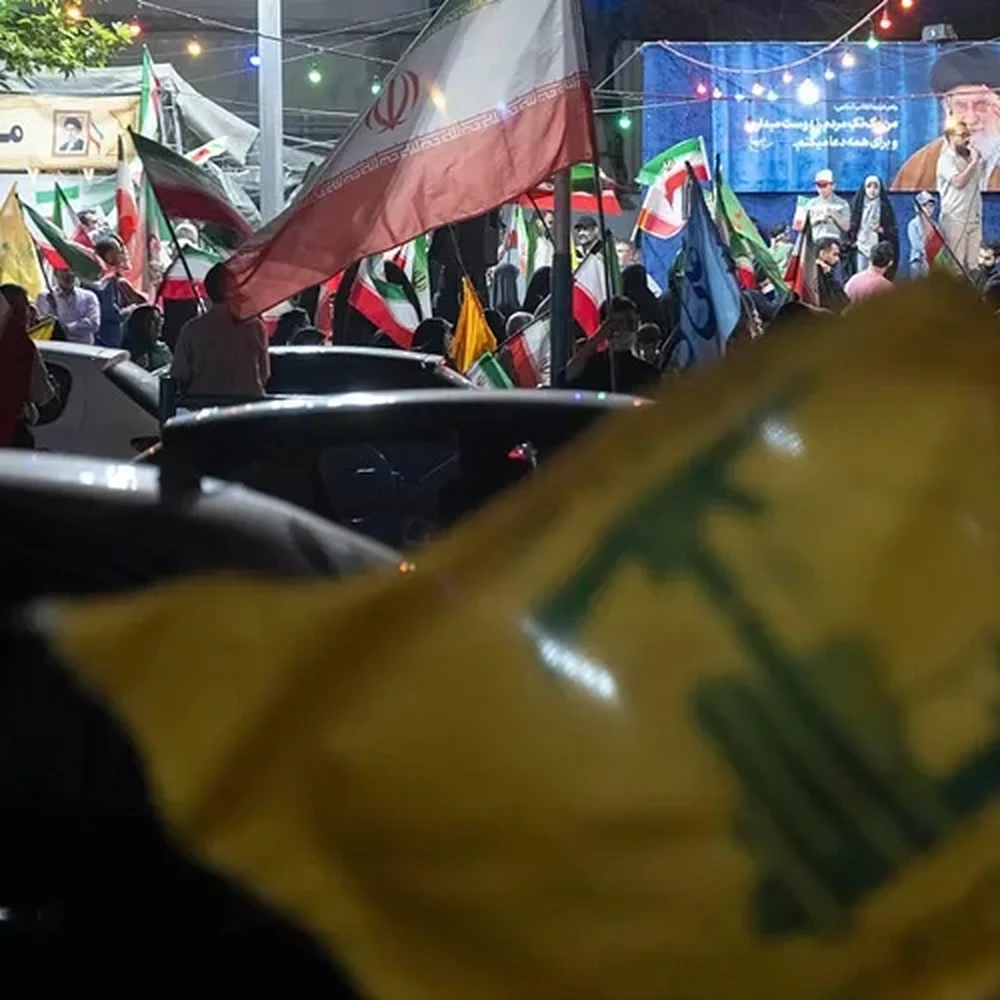
How Geopolitics Strengthens Hezbollah’s Shield In Diplomacy
Rather than Hezbollah serving as Iran’s strategic shield, Iran is increasingly using negotiations with Washington to protect Hezbollah.
This reversal is one of the most significant and underappreciated developments in the Middle East. Faced with sustained Israeli pressure against Hezbollah’s military infrastructure, Tehran appears determined to leverage diplomacy to achieve what its proxy has struggled to secure on the battlefield: restrictions on Israeli freedom of action.
The implications extend far beyond Israel.
Freedom of navigation through the Strait of Hormuz is a global interest. It is not a concession that Iran is entitled to exchange for political gains elsewhere. Yet Tehran is attempting to connect international commerce, regional de-escalation, and the future of Hezbollah into a single bargaining framework.
If this approach succeeds, it establishes a dangerous precedent. It signals that a state can support armed proxies, threaten international stability, and then use negotiations to shield those same proxies from military pressure.
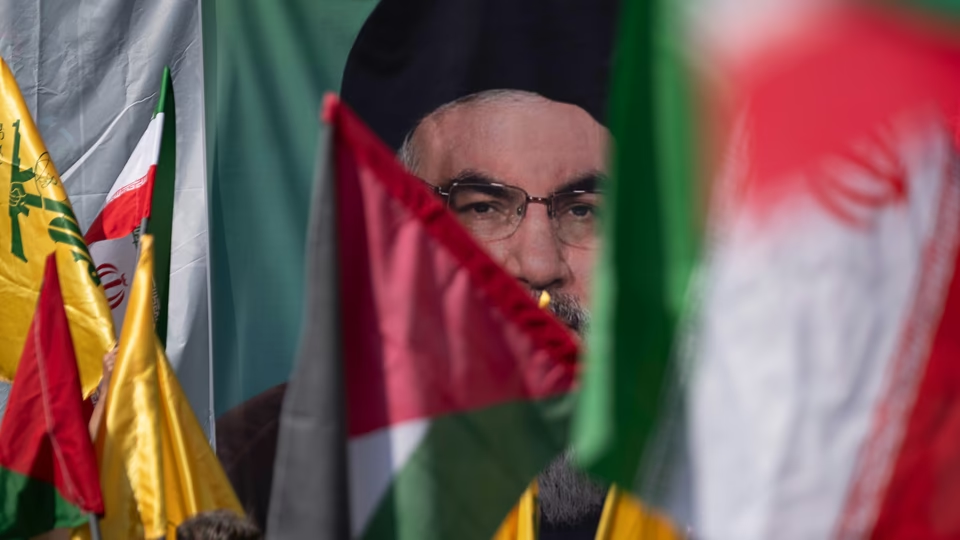
Redefining Security Beyond Hezbollah’s Shield
The issue is not whether diplomacy with Iran is desirable. Diplomacy is often necessary. The issue is whether Washington is accepting a framework in which Tehran defines the terms of regional security by linking unrelated theaters into a single negotiation.
This dynamic also threatens the foundation of President Trump’s signature foreign-policy doctrine: peace through strength.
An agreement that produces temporary calm while indirectly protecting Iranian proxies does not project strength. It risks signaling that asymmetric pressure can be converted into diplomatic leverage. America’s adversaries—from Beijing to Moscow—will closely study whether coercive behavior is rewarded when repackaged as negotiation.
Any discussion of Israeli withdrawal from Lebanon must also acknowledge the security reality that produced the current confrontation. Tens of thousands of Israelis have been displaced from communities along the northern border. Millions remain within range of Hezbollah’s missile arsenal. No American administration would accept a comparable threat along its own frontier.
Hezbollah’s Shield Mechanics Neutralize Active Pressures
As Thomas Hobbes observed, the first duty of a sovereign is the security of its citizens. Governments are not expected to tolerate entrenched military threats on their borders while waiting for those threats to become even more dangerous.
Israel is not opposed in principle to an agreement that genuinely ends hostilities. But sustainable peace cannot be built by insulating armed proxies from pressure while leaving the underlying threat intact.
President Trump has an opportunity to secure a genuine diplomatic breakthrough. But lasting stability will require rejecting Tehran’s effort to redefine the terms of regional security.
Diplomatic Traps Institutionalizing Hezbollah’s Shield Permanently
For decades, Hezbollah existed to protect Iran. The U.S. should not allow a new regional order in which Iran uses negotiations with America to protect Hezbollah. A durable peace will come not from shielding terrorist infrastructure through diplomacy, but from ensuring that it can no longer threaten the region at all.